Zimbabwe
Home of the Majestic Victoria Falls
Zimbabwe is one of Africa’s most rewarding travel destinations, offering spectacular landscapes, exceptional wildlife, fascinating history, and warm hospitality. Known for its world-class safari experiences and dramatic natural wonders, Zimbabwe combines adventure, culture, and nature in a truly unforgettable journey.
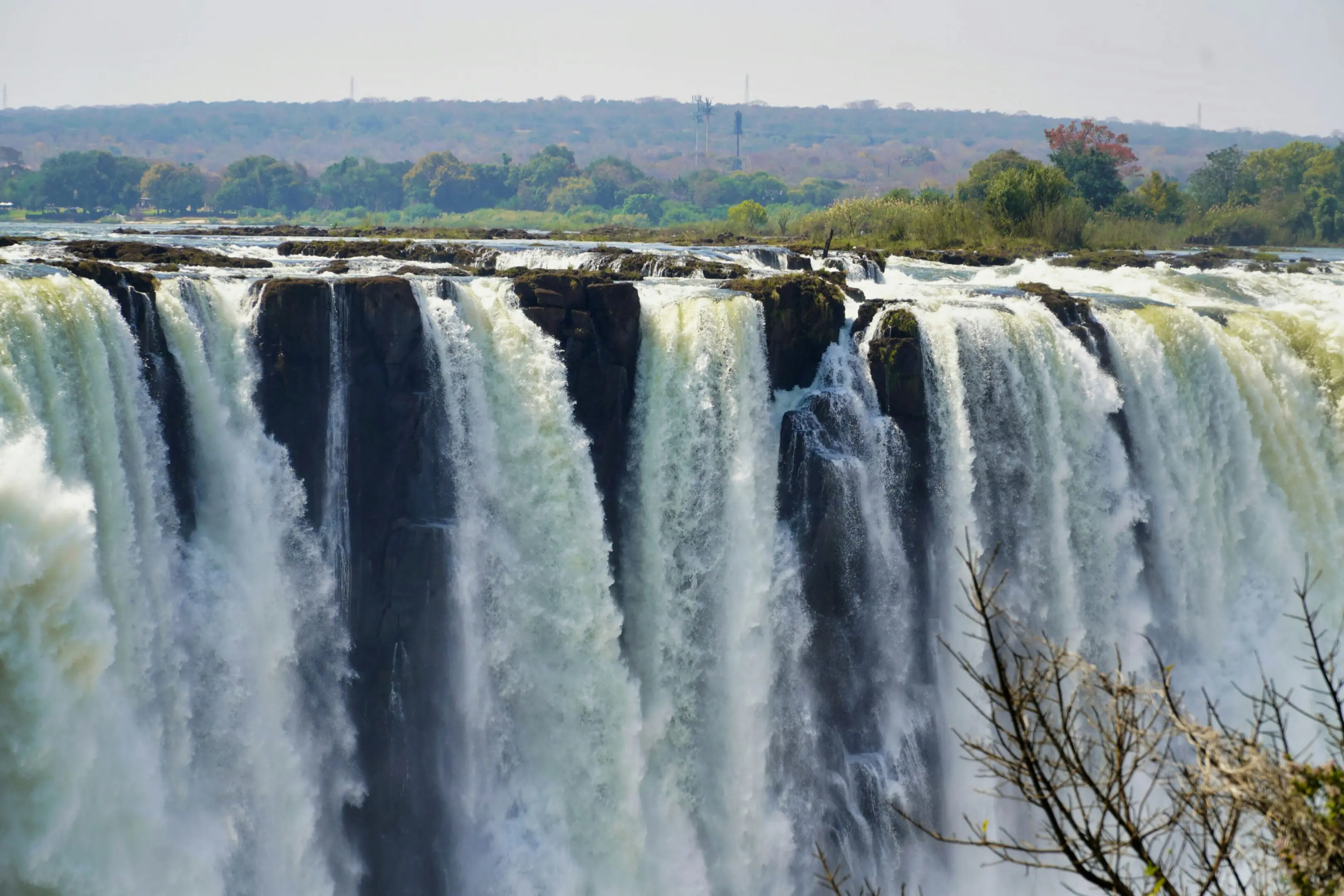
One of the country’s greatest attractions is the breathtaking Victoria Falls, located near the town of Victoria Falls. Often referred to as “The Smoke That Thunders,” the falls are one of the Seven Natural Wonders of the World. Visitors can experience the falls from scenic viewpoints, enjoy sunset cruises along the Zambezi River, or take part in thrilling activities such as helicopter flights, white-water rafting, and bungee jumping.
Zimbabwe is also home to some of Africa’s most impressive wildlife areas. Hwange National Park, located near the town of Hwange, is famous for its large elephant herds and abundant predators including lions, leopards, and wild dogs. The park offers outstanding game drives and some of the finest safari guiding in Africa.
Another remarkable wilderness area is Mana Pools National Park, a UNESCO World Heritage Site located along the Zambezi River. Mana Pools is known for its walking safaris and canoeing adventures, offering travelers the chance to experience wildlife at a truly intimate level.
Zimbabwe also has an extraordinary cultural and historical heritage. The ancient stone ruins of Great Zimbabwe near the city of Masvingo reveal the remains of a powerful medieval African kingdom and stand as one of the most important archaeological sites in Africa.
From spectacular waterfalls and incredible safaris to rich history and welcoming people, Zimbabwe offers one of the most authentic travel experiences on the continent.
Zimbabwe is a country celebrated not only for its breathtaking landscapes and wildlife but also for its vibrant and diverse population. The people of Zimbabwe form the heart of the nation, preserving centuries of tradition, storytelling, music, and craftsmanship while embracing modern life.
Tourism Highlights
- Wildlife & Safari Experiences:
- Hwange National Park – Home to large herds of elephants, lions, leopards, and diverse birdlife
- Mana Pools National Park – Offers walking safaris, canoe safaris, and exceptional wildlife viewing along the Zambezi River
- Matobo Hills – Ancient granite landscapes with rock art, rhinos, and hiking opportunities
- Natural Wonders:
- Victoria Falls – One of the Seven Natural Wonders of the World, offering helicopter flights, river cruises, and white-water rafting
- Cultural Experiences:
- Engage with local communities to experience Shona and Ndebele traditions, crafts, music, and dance
- Explore Great Zimbabwe Ruins – the largest ancient stone city in sub-Saharan Africa
Ethnic Groups and Tribes
Zimbabwe is home to over 16 ethnic groups, each with distinct customs, languages, and cultural identities. The two largest groups are:
- Shona – Making up about 70% of the population, the Shona people live primarily in the central and northern regions. They are known for their artistry, particularly the world-renowned Shona stone sculptures that depict spirituality, daily life, and mythology. Traditional music, mbira (thumb piano) performances, and dances play a central role in ceremonies and celebrations.
- Ndebele – Concentrated in the southwest, the Ndebele are famous for their vibrant house murals, intricate beadwork, and rich oral traditions. Music and dance are integral to their cultural expression, especially during festivals, weddings, and initiation ceremonies.
Other groups include the Tonga, Venda, Shangaan (Tsonga), and Kalanga, each with unique languages, crafts, and social customs. This cultural diversity creates a mosaic of traditions that enrich Zimbabwe’s national identity.
Languages and Communication
Zimbabwe has 16 official languages, including Shona, Ndebele, English, and minority languages like Tonga, Venda, and Shangani. Most Zimbabweans are multilingual, often speaking English in urban and professional settings, while using their mother tongue at home and in communities. This linguistic richness reflects the country’s cultural heritage and unity in diversity.
Culture and Traditions
Music, dance, and storytelling are at the core of Zimbabwean culture. Traditional instruments like the mbira and hosho (shakers) accompany ceremonies, spiritual rituals, and communal gatherings. Festivals and village ceremonies celebrate seasonal events, rites of passage, and community achievements, providing travelers with a vivid insight into local life.
Craftsmanship is also central to Zimbabwean identity. Shona stone sculpture, Ndebele beadwork, and woven baskets are highly regarded, both domestically and internationally. Markets, cultural villages, and artisan workshops allow visitors to connect directly with local artisans and their traditions.
Lifestyle and Social Structure
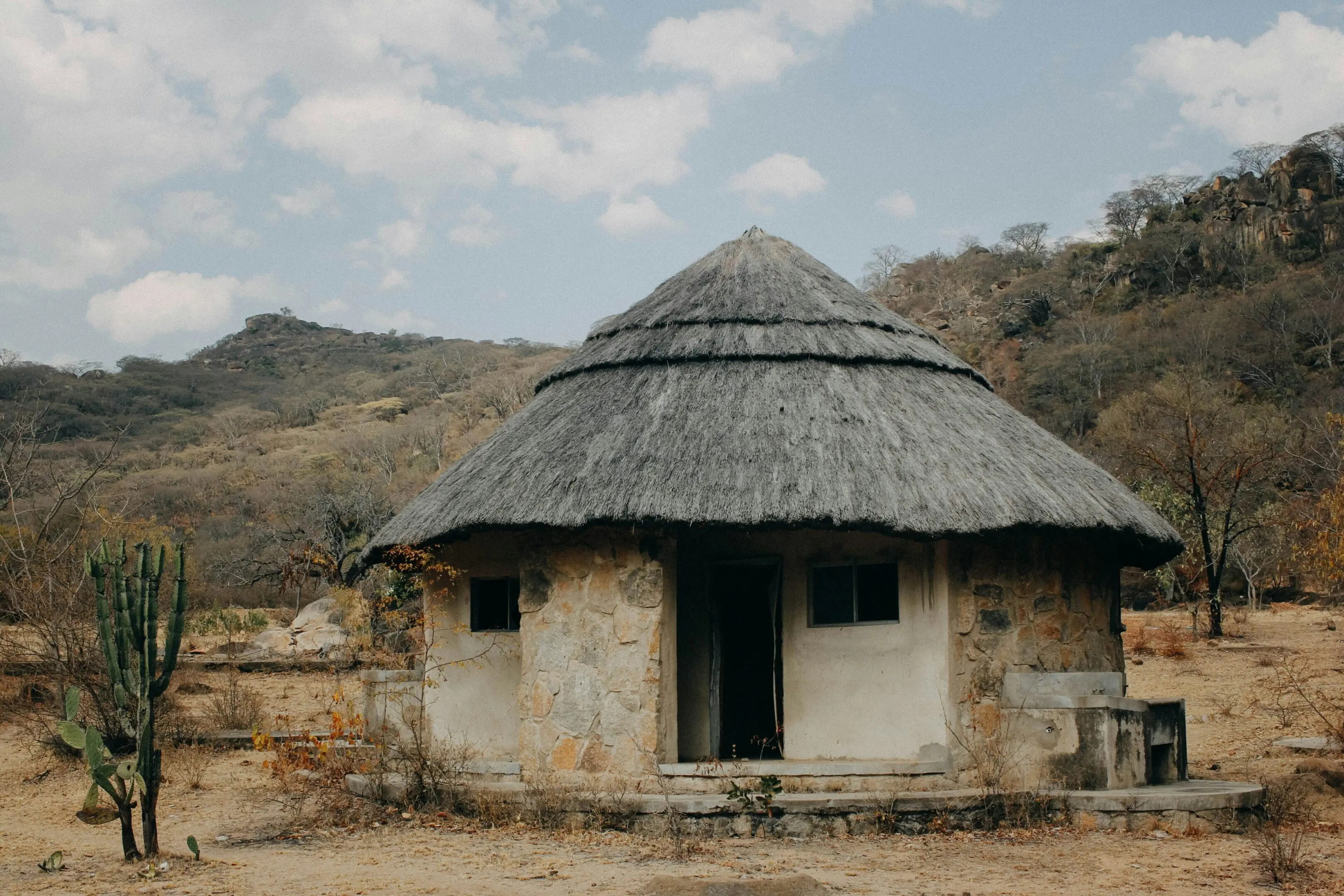
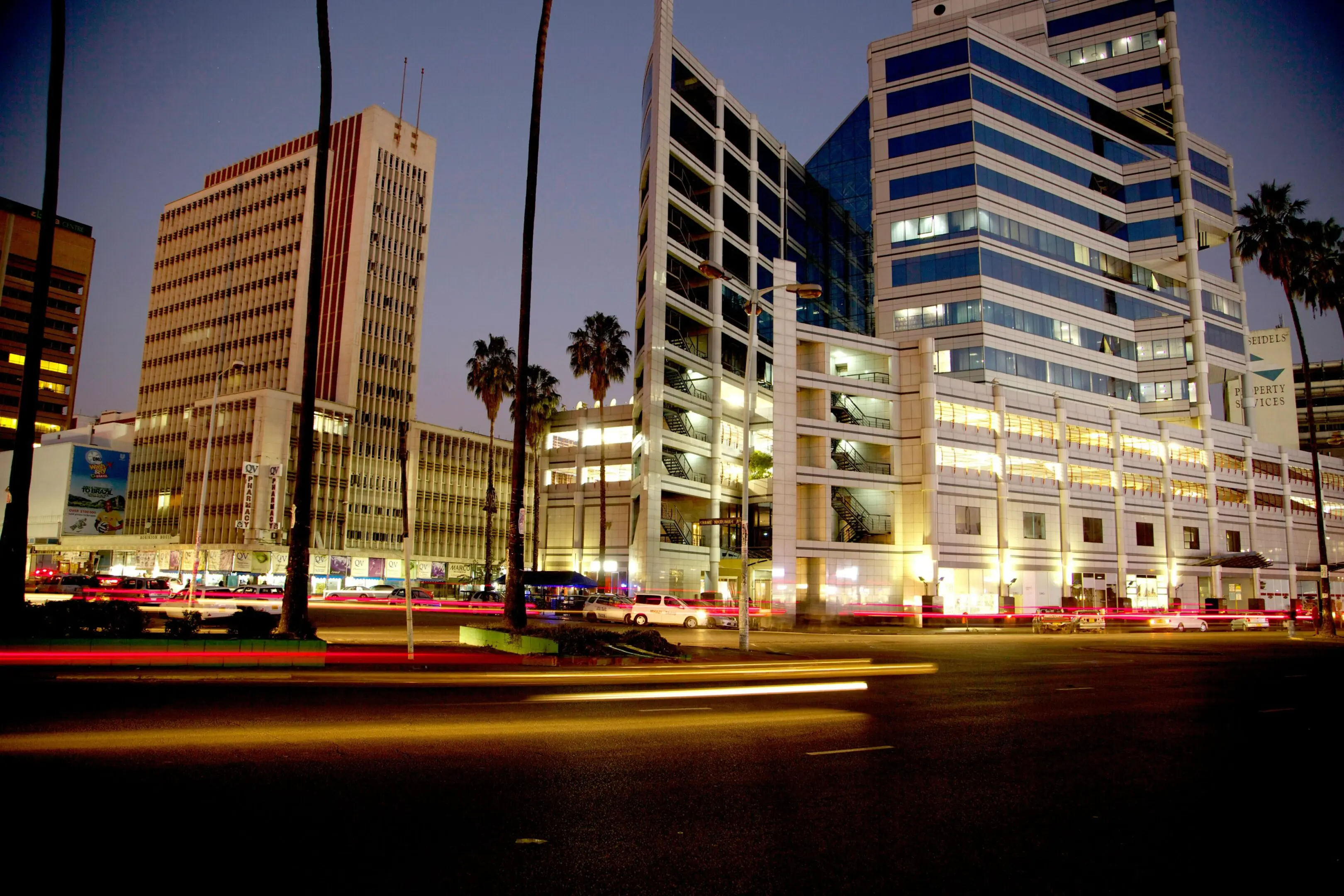
Family and community are foundational to Zimbabwean society. Extended families often live close to one another, and elders hold significant authority in guiding decisions, resolving disputes, and preserving traditions. Rural areas maintain strong connections to agriculture, cattle herding, and traditional village life, while urban centers such as Harare and Bulawayo blend modern living with cultural preservation.
Zimbabweans are known for their warm hospitality, resilience, and pride in their cultural heritage. Visitors often experience this through invitations to local homes, participation in traditional ceremonies, or interactions in vibrant marketplaces.
Zimbabwe Today
From the awe-inspiring Victoria Falls to the historical stone ruins of Great Zimbabwe, Zimbabwe’s people bring life and meaning to the country’s landscapes. Their music, art, stories, and daily traditions create an unforgettable cultural experience, complementing the nation’s natural beauty and making every visit deeply memorable.
Zimbabwe’s ancient heritage is reflected in the majestic Great Zimbabwe near Masvingo, a stone city that stands as a testament to the ingenuity of early African civilizations. Combined with its warm, hospitable people, Zimbabwe offers a journey that touches both the soul and the senses.
Best Time to Travel & What to See
Zimbabwe has distinct dry and wet seasons, and the best travel experience depends on your interests:
1. Dry Season (May to October – Winter / Peak Safari Season)
- Where to Go: Hwange, Mana Pools, Matobo Hills, Victoria Falls
- What to See:
- Wildlife concentrates around water sources, making Big Five sightings easier
- Clear skies and mild temperatures ideal for photography and safari walks
- Victoria Falls is less full but still spectacular; good visibility for panoramic views
- Best For: Wildlife safaris, photography, walking safaris
2. Wet Season (November to April – Green / Low Season)
- Where to Go: Hwange, Mana Pools, Victoria Falls, Eastern Highlands
- What to See:
- Lush landscapes with vibrant greenery and flowing rivers
- Breeding season for wildlife; calves, cubs, and young animals abundant
- Victoria Falls is at its most powerful, creating dramatic mist and rainbows
- Excellent birdwatching, including migratory and endemic species
- Best For: Birding, photography of green landscapes, Victoria Falls at peak flow
- Note: Some remote safari roads may be muddy; 4x4 or light aircraft transfers recommended
Language
- Official Languages: English
- Other Widely Spoken Languages: Shona, Ndebele, Tonga, Venda, and others
- English is commonly used in tourism, business, and government, making it easy for international travelers. Local languages offer rich cultural insight when visiting villages or attending traditional events.
Currency
- Zimbabwean Dollar (ZWL) is official, but U.S. dollars (USD) are widely used in practice for tourism, lodges, and luxury experiences
- Credit cards accepted in major lodges, hotels, and urban areas
- Cash is recommended for rural areas, safari lodges, and markets