
About Kenya
Entry & eTA
Electronic Travel Authority (ETA) for Kenya (official portal, applicability, exemptions)
From 01st January 2024, travelers to Kenya will not require a Visa and will instead apply for an Electronic Travel Authorization. The ETA system has replaced the eVisa system for Kenya and is currently in effect.
Visit www.etakenya.go.ke to experience this seamless new system, effective from 4th January 2024. This applies to all international travelers, including children. Kenyan citizens and East African Community (EAC) partner states residents are exempted.
When to Apply (timeline and recommendation)
Travelers may submit their applications as early as 3 months prior to travel. It is recommended that travelers apply as soon as they have reserved their flight tickets and accommodations / tour packages in Kenya.
Application Timeline: You can apply for your ETA up to 3 months before your planned arrival in Kenya.
Your ETA Application Checklist
- Passport Validity: Ensure your passport is valid for at least six months beyond your planned arrival date in Kenya and has one blank page.
- Photographic Identification: A recent passport-style photo or a clear selfie.
- Contact Essentials: Your email address and phone number.
- Travel Itinerary: Details of your arrival, departure, and where you’ll be staying in Kenya.
- Payment Method: A credit card, debit card, or Apple Pay ready to cover the $34.09 per person fee.
Additional Requirements for Certain Travelers (vaccinations)
- Yellow Fever Certificate: Necessary if you’re arriving from a Yellow Fever-endemic country.
- Additional Vaccinations: Based on your travel history or country of residence.
Application Steps (1–11)
- Upload the information page of your passport.
- Capture a selfie using your webcam.
- Fill in your contact details.
- Provide your arrival, departure, and accommodation details in Kenya.
- Complete the general information section.
- Make a customs declaration.
- Complete the health declaration.
- Provide your travel insurance information.
- Upload your accommodation booking confirmation and flight ticket/confirmation.
- Add any additional documents if required.
- Agree to the terms and conditions.
Total Cost and Payment Methods
Total Cost: The standard processing fee is $32.50, plus a bank fee of $1.59, Total = $34.09.
What Happens After You Apply + Processing Time
What Happens After You Apply? Once you’ve submitted your application, look out for an email notification. Upon approval, you’ll receive an ETA receipt with a reference number, which you can use to check your application status on the ETA website.
Processing Time: It typically takes 3 working days to process your ETA.
Benefits of Kenya’s eTA system
Kenya eTA enables travelers to submit all relevant information and documentation from the comfort of their home locations before starting their trip. Travelers can enjoy peace of mind knowing that they meet the requirements for travel to Kenya. Travelers do not need to fill out forms on the plane or at arrival anymore. Kenya’s eTA also benefits airlines by simplifying the check-in process. Transport carriers can easily verify that travelers have been authorized to travel by the Government of the Republic of Kenya and are in possession of an approved eTA. Kenya eTA will improve arrival processes into the Republic of Kenya by reducing the queues on arrival for health, customs, and immigration inspections. Kenya eTA supports the efforts of the Republic of Kenya to digitize its government processes.
What to do if your eTA is denied
What do I do if my eTA is denied: If your application has been denied, you will not be allowed to travel at this moment. Contact support@etakenya.go.ke to report your situation and obtain further details.
Do Children or Infants require the Kenya eTA?
Do Children or Infants also require the Kenya eTA? Yes, all foreign visitors must apply for an eTA. For children under the age of 18, the legal guardian, parent or accompanying adult is responsible for filling in the application. We highly recommend that families apply as a group.
What Information is Required for an eTA Application
What Information is Required for an eTA Application Valid Passport A recent passport picture OR a selfie picture taken during the application process Contact details (home address, telephone, email). Travel information and flight itinerary (arrival flight number, date of departure of initial flight in case of connecting flights). Proof of booking for the hotel you will be staying at (if staying with friends, a letter of invitation is accepted). Yellow fever vaccination certificate if coming from endemic countries (please check the WHO website for the updated list of countries). Credit/Debit card information for payment, if applicable.
Does an eTA Guarantee Permission to Travel?
Does an eTA Guarantee Permission to Travel? No. An eTA is permission from the Kenyan Government to travel to the Republic of Kenya, and it is mandatory to present a valid eTA during the check-in and boarding process. However, travelers may still be denied boarding by the carrier if other required documents such as passports and/or boarding passes are not presented. In addition, travelers may be subjected to questioning at the point of departure or arrival. This might result in you being denied access to the means of transport.
What to do if Payment is Declined/Refused
What to do if my Means of Payment has been declined/refused for all visitors, the system will require a valid Credit or Debit card to make payment and complete the transaction. Cheques and cash are not accepted by the system. If the payment does not work, please wait a few minutes and try again, or check to make sure you have sufficient funds on your means of payment.
Money & Payments
Credit Cards in Kenya
Credit cards Kenya: Most major credit cards (MasterCard, Visa, and American Express) are widely accepted. In addition to credit cards, it is advisable to carry easily convertible currency in cash. USD currency is readily accepted in many local outlets and can also easily be exchanged for Kenya shillings.
Currency & Exchange
Kenya’s currency is the Kenyan shilling (KSH). Check online for the current rate. You can exchange your convertible foreign currency into shillings in a forex bureau and shall find the best rates at the airport. Small cash denominations are handy for tipping and minor expenses. You can also withdraw Kenya shillings at the ATM (VISA & MasterCard). Cash USD, Euro, British pounds are readily accepted in many outlets. We recommend that you exchange money only as needed. You will find it easiest to make small purchases in local currencies, and will usually receive a better price and also change when required You may conveniently exchange money at all lodges and hotels at close to the bank rate, but the best exchange rates you get from the Forex Bureaus at the airport or Nairobi city.
Safari Gratuities/Tipping
All hotel, lodges and porterage gratuities are included on your safari price – these are referred to as service charge. Individual waiters ,porters and other service providers may provide exemplary service and it is your discretion to decide to tip It is however customary to tip the driver / guide at the end of the safari tour. The amount is dependent on your evaluation of the quality of the service rendered. An average of $ 10 per guest per day is suggested The amount is however at your discretion, you are welcome to provide additional compensation to any staff who have provided special services. A bar gratuity of $1 is acceptable.
Fees & Taxes (what’s included)
The safari tour price includes government taxes and service charges relating to accommodations and meals provided, entrance fees to national parks and game reserves, and game ranger services (where obligatory).We shall go further to itemize all inclusions / exclusions at safari booking / confirmation.
Health & Safety
Vaccination
We advise you to contact a medical specialist family doctor or even a licensed vaccination clinic well before traveling to Kenya.
Drinking Water & Bottled Drinks
Avoid drinking water straight from the tap. Complimentary bottled drinking water will be provided in the safari vehicle -there shall be a cooler box in your private safari car Soft drinks, beer and other bottled beverages can be purchased at the lodges and camps throughout the safari as they have bars and comfortable lounges with fire places for those cool evenings. Tea or coffee are served after meals.
Travel Insurance
Travelers should have medical insurance, as they will be responsible for all medical expenses they may incur. We provide as part of our service an offer of a temporary evacuation cover on the flying doctors service
Medical Facilities
Nairobi has excellent international medical facilities. Most camps and lodges have a doctor on call who is experienced with common travel related ailments. We suggest that you make certain your health insurance has adequate coverage, as once you are returned to Nairobi any further medical expenses will need to be covered by you.
Safety (valuables and common sense precautions)
Visitors should exercise the same common sense as one would in any other part of the world. Normal care and sensible precautions should be taken. Please do not leave cash, jewellery or valuables unattended in hotel rooms. Every lodge or hotel has a safe deposit facility for your valuables safe keeping. Do not wear flashy jewellery, or leave handbags and photographic equipment unattended in public places.
Mosquito Net (bite prevention)
Mosquitoes appear when the sunsets, temperatures drop and the evening night sets in. This is when most bites happen. We advise that you wear long pants and a long-sleeved shirt. It is also important to make sure any exposed parts of the body are protected with insects repellent. All safari lodges and camps are fitted with mosquito nets over the bed.
On Safari Essentials
Safari & Roads in Kenya (conditions and travel times note)
All major Kenyan roads are tarred. However, road surfaces vary depending on remoteness from Nairobi city and sometimes due to regular maintenance. Rain may also affect the state of roads. Many roads within the National Parks and game reserves are quite navigable. Driving times on Kenyan roads vary from one safari point to another and are approximate. They vary depending on traffic and road conditions.
Safari Transportation (vehicles, seating, pop up roof)
Our experienced and knowledgeable safari driver / guides shall collect you up at Nairobi Airport, Nairobi local hotel or local residence. He will take you on safari and other sightseeing adventures and return you back to the hotel or airport on your last day. Because most of the safari journey includes hours of safari trip, the quality of the safari vehicle is of high importance. As much of the journey is long hours on the trail on wildlife, the quality of the ground vehicle is of the utmost importance. Each comfortable safari vehicle carries a maximum of 6/7 guests, thus providing a guaranteed window seat and access to the po up roof hatch. Our safari Driver/Guides have a mechanical background and are good for simple mechanical calls in case of emergencies.
Your Driver/Guide (role and expertise)
Your safari Guide / Driver will be an integral part of your safari tour experience. You will spend many days together as he narrates the wonders of Kenya’s geography, history and of course the wildlife. Each safari guide is a local Kenyan, steeped in the traditions and folklore of his country as well as exceptionally knowledgeable in areas such as local flora and fauna, tribal lore and regional geography. Get to know our experienced safari guides.
Electricity (voltage, plugs, generator hours) + Important Info
The voltage is 220 ; however, the plugs are different from those in North America or even of Europe. Due to the variations of the outlets, we suggest you travel with a variety of international adapter plugs as well as a voltage converter, which may be purchased as a set. The most commonly used adapter plug has 3 square prongs.
Important Info
Note that lodges in the game parks may turn off their generators during the day and late at night (11pm – 6am), this means there will be no electricity at this time. Please recharge your video camera batteries at applicable times of the day, or carry extra batteries.
Charging of Mobile Phones and Electrical Items
Most hotels and lodges generally have their electricity from generators switched off after 11pm. You are reminded to take a small flashlight with you. The sockets are 240 volts and use 3 flat pin plugs as in the West.
Meals (on safari, dietary requests)
All meals are included on safari. This is from lunch on day 1 until lunch on last day of safari tour. During your safari all meals shall be provided by your respective lodge or tented camps or at restaurant on safari route. Packed / picnic lunches are provided during full day game viewing drives and on long day drives. The quality of the cuisine in East Africa game lodges and camps is superb, with all meats, vegetables and fruits arriving fresh daily from the surrounding farmland areas. Individual dietary requests are catered for in the respective accommodations.
Lunch and Drinks During Safari
All meals including picnic lunches are included in the tour price. Bottled drinks including beers, colas , wines and spirits are settled for directly by you.
Laundry (availability)
Laundry services are available at safari lodges and camps where more than one night is being spent. Dry cleaning is only available in Nairobi and Mombasa.
Check In / Check Out of Hotels/Lodges
At hotel / lodge check in always fill out one of registration cards at the front desk before key collection. Check in after 11am and check out before 10am. When checking out you pay the extra bills for drinks from the restaurant and bar. There shall be an induction / instruction talk at all hotel / lodge / camp at check -in.
Driving Distance & Time on Safari (route list)
- Nairobi – Amboseli: 240 km, approx. 4 hours
- Amboseli – Lake Naivasha: 350 km, approx. 6-7 hours
- Lake Naivasha – Masai Mara: 250 km, approx. 4-5 hours
- Masai Mara – Nairobi: 265 km, approx. 6 hours
- Nairobi – Samburu: 320 km, approx. 6-7 hours
- Samburu – Lake Naivasha: 340 km, approx. 6-7 hours
- Nairobi – OlPejeta: 220 km approx. , 4 hours
- Nairobi – Lake Nakuru: 160 kms approx. , 3 hours
- Nairobi – Lake Naivasha: 100 kms, approx. , 2 hours
- Mombasa – Tsavo East: 120Km, approx. , 3 hours
- Mombasa – Tsavo West: 240Km, approx. 4 hours
- Tsavo West – Amboseli: 100Km, approx. 2 hours
- Amboseli – Masai Mara: 520 Km, approx. 9 hours
- Tsavo East – Amboseli: 300 Km, approx. 5 hours
Note that all driving times are approximate and may vary depending on weather, condition of road and density of traffic.
Gear, Photography & Packing
Photography / Equipment on Safari (camera/lenses, batteries, cleaning)
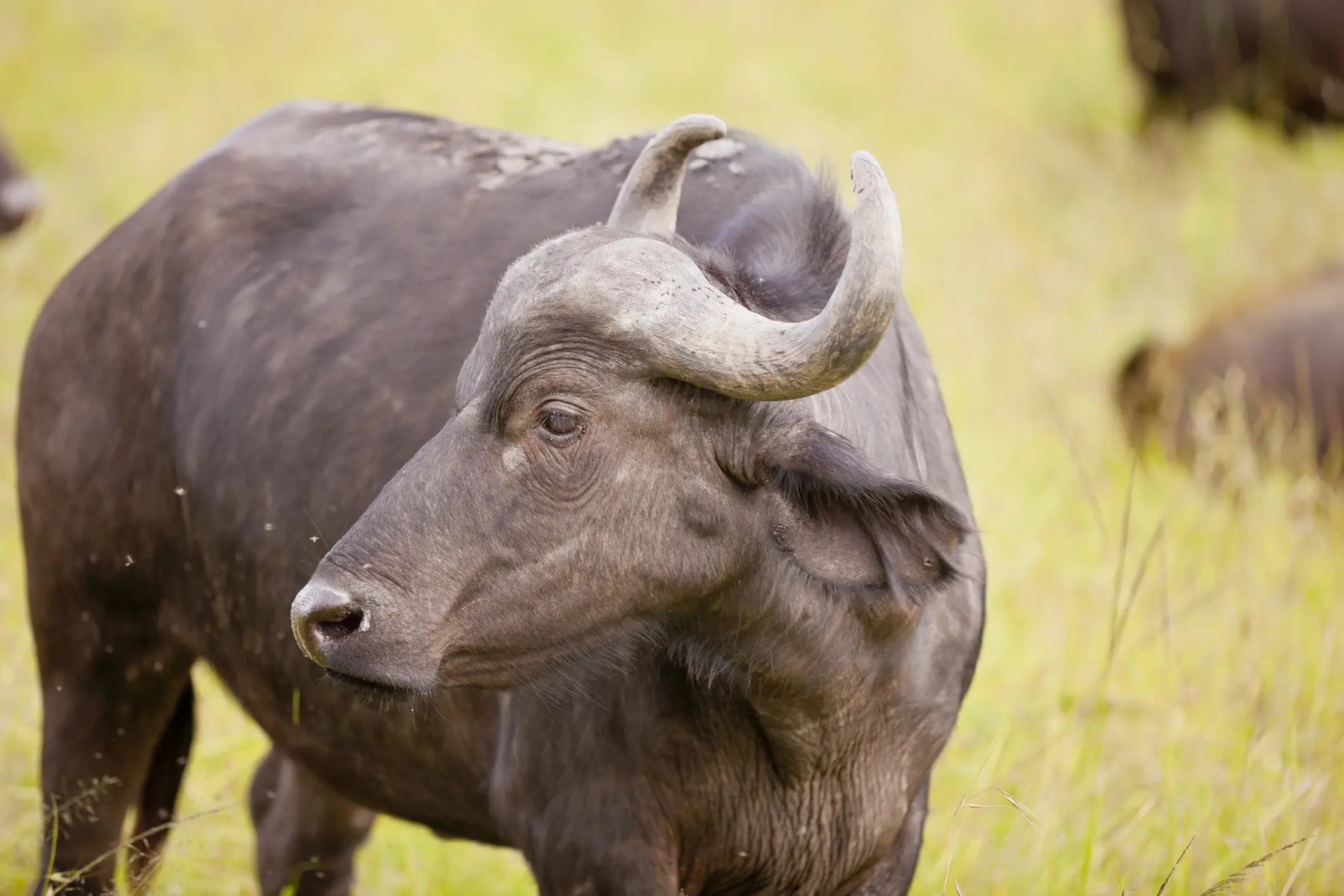
A digital Camera made during the Last several years is good for taking excellent Wildlife and Landscape photographs , It does not need to be the most expensive camera to take good pictures on your Kenya Holiday Safari. Getting good safari photos is more about practice , focus and concentration than having an expensive camera / gadget A (digital Single Lens Reflex) DSLR Camera with interchangeable lenses is a good option during a Safari Tour. Good lenses for African wildlife photos fall in the range of 200-400mm, while those intending to make landscape or animal shots in their wild environment should consider bringing a wider angle lenses in the range of 24-100mm. A video camera if available is a welcome gadget during safari , you may be having it already in your DSLRs as a built in extra. Safari Tours are in remote areas so bring plenty of batteries and a charger in case you run out of power! Bring plenty of cleaning equipment like cleaning cloths and a blower brush as Cameras get dirty quickly on the dusty safari environment. Plenty of memory cards are necessary too – safari adventure is exciting and you may take more shots than you had anticipated A pair of binoculars is essential to view the birds and animals at a distance. Best size is 8/10 x 40 they only need to be of good quality.
Suggested Equipment List for Safari
- Camera
- Telephoto lenses (ideally covering 24-100mm and 200-400mm range)
- Cleaning equipment for lens
- Extra batteries
- Battery charger
- Memory cards
- Camera bag
- Zip lock bags (dust proof ) Not plastic bags as they are banned in Kenya so you may use a cloth alternative
- Beanbag (for Camera stability during photography)
Suggested Packing on a Safari (incl. plastic bag ban; light aircraft baggage limits)
It is advisable to spread packing between you and your partners suitcases. This is in case of loss of luggage –(in case you are travelling together) All the important items and information should be carried in your hand luggage: passport, visa, airfare, insurance, credit cards, money and prescriptions if necessary. You should carry information about your specific health condition plus malaria pills, any lifesaving medication (diabetics), anything used to treat allergies or a sudden stomach upset (maybe Imodium) and analgesic aspirin should all be kept accessible to you. Any expensive electrical equipment, such as a camera or computer should be well looked after. Please note that all use, import and production of plastic bags, such as those we know from supermarkets, etc., is prohibited in Kenya. We therefore recommend that you avoid using plastic bags when packing your luggage. Use fabric bags instead, or bags made of a waterproof material other than plastic. If, for example, you are visibly carrying hand luggage in plastic bags upon your arrival in Kenya, you will be asked to hand them in. This also includes plastic bags from “Duty Free”, etc. On light aircraft flights in Kenya the baggage allowance is limited to a maximum of 15 Kilograms, including camera and video equipment. Any additional luggage can be stored at the hotel in Nairobi until end of safari. Extra luggage is charged at $ 5 per kilogram and depends on space availability and weight Luggage and personal effects are at owner’s risk throughout the tour. For your peace of mind , baggage insurance is recommended.
Safari Clothing
We recommend that you bring casual summer clothes that are easy to launder and quick to dry. Go for neutral colors that do not reflect the heat and do not show the inevitable safari dust. With cool morning and evening, layering is suggested. Laundry service is available in most safari lodges and tented camps which can help you replenish your supply of clean clothing, as you need it. Much of the time on safari is spent in the vehicle so lightweight and comfortable walking shoes are appropriate. The style is casual – even in the evening. For Dinner in Nairobi and at the Mount Kenya Safari Club, dress is smart casual. You will be in the sun a great deal and at these altitudes it is easy to sunburn very quickly. Pack a swimsuit and cover-up, as most of the safari accommodations have swimming pools.
Luggage Which Is Important to Bring
- Bright summer clothes for safari trips (Strong colors can attract unwanted attention from flies found in certain areas of the parks). It is cheap to get clothes washed, so do not bring much with you
- Nicer clothes for evenings at the hotel and lodge, such as long pants and long-sleeved shirts to protect you against mosquitoes after sunset and, if necessary, against the sun
- A good jacket, as it can be cool in the morning and evening
- Summer Footwear (e.g. sports shoes and cotton socks). Avoid bare feet and legs at night due to mosquitoes
- Power adaptor with 3-4 sockets – this enables a shaver, trimmer, electric toothbrush and any batteries to be charged via a single adapter
- Small flashlight and extra batteries
- Hat that shields against the sun
- Sunscreen and lip balm
- A mosquito repellent for example
- Nail clippers and file
Important Items to Have in Your Hand Luggage
- Passports, money, tickets
- Sunglasses
- Medication you use at home (always in your hand luggage, just in case you lose your suitcase!)
- Hand Medicine: analgesic, allergy pills, remedy for diarrhea (maybe Imodium), malaria pills, plasters and disinfectant wipes
- Binoculars (so you get to see the leopard way out there in the tree!)
- Camera and memory cards more than you expect to use, including battery charger and a bag to protect the camera from Africa’s fine, red dust
- Shoulder bag with sturdy strap and zip. A money belt or good inside pockets that can be zipped up
- A few photocopies of all personal documents such as passports, visas, flights, travel insurance, vaccination card, international debit cards, (Master Card, Visa credit cards etc.) driving license
- Telephone list for immediate blocking of lost debit card and insurance
- Mail addresses of those you wish to send postcards or send messages too.
- Notebook and pens
- A good book or something to keep you entertained on the flight
Weather & Seasons
Weather & Safari in Kenya (year-round note)
You can make a safari in Kenya throughout the year.
January, February and March (High Season)
The three months are good for safari, the period is just after the short rain season, you may catch some bird species that are winter visitors from Europe. The grass is not so high enough to hinders your view of the animals. There shall be great opportunities to encounter large elephant herds.
April and May (Low/Rainy Season)
This is the long rainy season, you can still enjoy your safari during this period. Tropical rain comes in bursts and lasts a few hours, mostly in the mornings and afternoons. The rains freshens up the nature and often enhance the safari experience.
June
The month of June is a good time to experience safari after the long rainy season. The large zebra herds cross from Tanzania to the Masai Mara game reserve ahead of the migration which happens from mid july.
July to October (Peak Season / Migration)
Huge herds of wildebeest enter the Masai Mara from the Serengeti in Tanzania. Due to evolving climatic situations it may be a little difficult to give specific time for the start of migration. It is however safe to state that the great wildebeest migration is active at the Masai mara by the middle of July. Wildebeest start their return journey to Tanzania around September / October. The return process is devoid of drama.
Culture & Legal
Custom Duty Kenya (allowances; drones not allowed)
Customs regulations are quite straightforward. The usual one bottle of spirits, 200 cigarettes, a reasonable amount of camera equipment, film and one tape recorder are allowed to enter Kenya duty free. Drone equipment’s are not allowed.
Game Trophies (wildlife products illegal)
In Kenya, it is illegal to sell any product made from wild animals, including hides and skins, rhinoceros horn, elephant-hair bracelets, crocodile handbags, etc. Please note also that ivory is not legally sold in Kenya. Please note that it is illegal to bring into the U.S. anything made from elephant, rhino or crocodile products.
Masai Village Visit at Masai Mara
If your dream is to visit a Masai village (manyatta), please discuss this with your safari guide. A donation of 20 USD per person payable directly to the village chief is suggested. Despite the introduction of money and some touch of modern influence , the Masai culture still retains much of its original authenticity
Languages (English and Kiswahili)
Kenya has many different dialects and local languages. English is the official language while Kiswahili is the national language, these provides a common identity in the vast country. English is the instructional language in all schools A few Swahili phrases learnt in advance shall enhance your local interactions.
Safari Souvenir Shopping (what to buy, shipping note)
Affordable and attractive baskets, copper jewellery, batik cloth, beads, carvings, Kenya coffee and tea are all for sale in the shops and markets of Nairobi. Boutiques sell fine art and handicrafts, gemstones and jewellery, including a locally mined semiprecious stone called tanzanite. Most popular are items carved from wood, which range from small trinkets such as animal head salad spoons and letter openers, to world-class ebony sculpture. Carved soapstone from napkin rings and candlesticks to complete chess sets, are also attractive. Bags woven from sisal and baobab are available in myriad colors, sizes, styles and shapes much more artistic and unique than those reaching the US Market. East African artisans have responded to the increasing appreciation of tribal artifacts with a variety of stunning original pieces and faithful reproductions: drums, headrests, stools, shields, and beaded necklaces and belts from various parts of the region. Some of the most prized pieces feature elaborately worked silver, malachite and amber beads. We suggest that you take all goods you purchase with you as shipping and duty cost may easily exceed the cost of the item. When purchasing large pieces, if you must have the items shipped, please note that freight can run into many hundreds of dollars.
Time Difference
Kenya is 2 hours ahead of GMT.
Transfers & Logistics
Transfers To and From the Airport (complimentary; share flight details)
We provide complimentary airport hotel transfers on arrival. At your time of departure, we shall again transfer you to the Nairobi airport. We shall request that you share with us your arrival & departure flight details for the airport to hotel to airport transfer purposes
Booking & Terms
Safari Booking Terms & Conditions (read first)
Please read our booking terms and conditions carefully. These terms and conditions constitute the basis of your package purchased from Sights Travel and Tours.
Sights Travel and Tours llc - Tour Booking Terms & Payment Conditions
Safari Tour Cancellation Charges
Sights Travel and Tours booking/cancellation conditions are determined by the fact that once hotel , Safari lodge/ camps , local domestic airlines or services are booked on your behalf, we shall incur a cancellation fee if we are required to cancel the booking. We try to keep such cancellation charges to a minimum and they apply as follows calculated as a percentage of the total price:
Safari invoice cancellation charges all Sights Travel and Tours Safaris.
- Cancellation up to 60 days prior to commencement of the safari: Zero cancellation charges.
- Cancellation up to 35 days prior to commencement of the safari : 30% cancellation charges
- Cancellation up to 15 days prior to commencement of the safari : 50% cancellation charges
- Cancellation less than 15 days or more than 3 days prior to safari start : 70% cancellation charges
- Cancellation 3 days or less before commencement of safari – Zero refund, 100% cancellation charges apply.
- Refunds due to you in the event of safari cancellation can only be credited to the original credit / debit card used in making of initial payment, if within 6-months of refund payment.
- In the event of a cancellation, a 5% administrative fee will be levied to account for transaction charges. Please note that the refund will be completed within 60 days from the date of official cancellation notification.
- The refund amount due will be less administrative costs and shall comply with the refund policies of the respective suppliers we have contracted.
· Certain suppliers have more stringent cancellation policies, the details of which will be made available on the quotation if applicable and which Sights Travel and Tours Kenya general cancellation policy is subject to. In the event of such more stringent cancellation policy being applicable, the client will be liable for such more stringent cancellation policy to Sights Travel and Tours.
Cancellation terms for Uganda & Rwanda shall be shared on request.
Safari / Tour Payment: Deposit and Balance; Payment Terms
Payment terms:
- 0% deposit per person for one day safari / tours.
- 20% deposit per person for 2-3 day safari / tours
- 30% deposit per person for 4-6 day safari / tours
- 30% deposit per person for 7-12 day safari tours
- 30% deposit per person for combined Kenya/ Tanzania safari tours
Balance due within 30days prior to commencement of your safari arrangements. Payments (deposit & final balance) are preferred by wire transfer , POS transaction or credit card online.
For persons from overseas, payments are to be made is USD as quoted. Payments in other convertible world currencies can only be made to us subject to prior agreement and current exchange rate.
Website Safari Prices and Surcharges
All prices published on www.sights-travel.com are per person (unless otherwise stated) and quoted in US Dollars (USD$). Cost of obtaining passports or visas, border taxes (if applicable), tips for guide, driver and hotel staff, insurances, additional excursions or personal expenses are not included in the itinerary cost. All prices on the website should be used as a guideline only. Sights Travel and Tours LLC cannot be held responsible for any changes or pricing errors. We shall provide actual costs in its quotation proposals.
Matters influencing a surcharge would include, but are not limited to, increases in transportation costs (e.g. fuel, scheduled airfares and any other airline surcharges, taxes or fees payable for services such as landing taxes, or embarkation or disembarkation fees at ports or airports), increases in park fees, reserve fees or concession fees, or exchange rates which are relevant to the travel package. The price of your itinerary will be based on the known costs at the time the itinerary is issued. We reserve the right to make changes to and correct errors in advertised prices at any time if the increment is big and can’t be absorbed.
Payment by Credit / Debit Cards
To our esteemed visitors and clients, kindly note that that we highly discourage cash transactions on our platform.
We prefer payment by credit card on-line (Visa , Amex or Mastercard) through our secure online payment system.
Once your booking is confirmed and your sales consultant / Tour manager has emailed you the invoice, you will then receive an email from Sights Travel and Tours with a link that directs you to our secure online payment system, where you can enter your details and process your payment. No transaction fee is added by us for payment of the deposit by debit or credit card.
There is also no transaction fee charged if the full invoice amount is paid at once by credit card. However your credit card company may add their own handling fee for processing a payment outside your home country.
If the final balance is paid by credit card there shall be no extra transaction fee charged. Payment can also be made by debit card in the same way as credit cards. In this case again, no transaction fee is charged.
Payment by Bank Transfer (RTGS) + Security Note
Please Note:
Please note that all our official company bank accounts are exclusively based in Nairobi Kenya and Miami, Florida USA only.
For your security and to avoid fraud, kindly ensure that all payments are made only to the verified bank accounts provided by our official representatives. If you are ever in doubt, please contact us directly through our official communication channels before making any payment.
General Booking Terms
We do our best to provide to you an enjoyable, trouble-free safari tour but occasionally even the best-laid plans can go wrong.
In the event of a problem whilst you are on a safari tour with us, please inform your tour planning manager via email or WhatsApp ,Lodge Camp Manager if accommodation related and your tour driver / guide immediately. This gives us the opportunity to correct the issue on the spot so that it does not spoil your Safari. If the matter cannot be resolved immediately, please send details of your complaint to us in writing within 20 days of your return from your holiday.
It is therefore a condition of this contract that you communicate any problem to the authority in question whilst on tour. If you fail to follow this simple procedure we cannot accept responsibility as we have been deprived of the opportunity to investigate and rectify the problem on site.
Seasonal Factors and Resort Facilities
Some factors are not under our control and early and late in the season some tourist facilities may not operate. Likewise, swimming pools have to be cleaned and sometimes emptied and maintenance work can affect the availability of certain amenities.
Public holidays and religious festivals throughout the year (particularly Ramadan) may have an impact on the ambience of a destination and the reliability of shops, banks and other facilities.
Wild Animals (risk note)
Please be aware that on any African safari, your clients may be taken into close contact with wild animals. Attacks by wild animals are rare, but no safari into the African wilderness can guarantee that this will not occur.
Neither Sights Travel and Tours, nor its employees, nor its suppliers can be held responsible for any injury or incident on the safari. Please note that many safari camps are unfenced and animals are able to wander through the camps at all times of the day and night.
Important – Travel Insurance (requirements)
It is of importance that each Safari / Tour member in your party has adequate and comprehensive travel insurance covering cancellation or curtailment, as well as medical expenses, emergency travel, personal accident, personal baggage and money loss.
This should be arranged at the time of confirmation and deposit payment to cover you for cancellation from the time of booking. Please note that it is your responsibility to take out insurance, with the cost for your account, and that Sights Travel and Tours cannot be liable in any way whatsoever should you fail to do so.
If you are coming to East Africa from overseas, we request that you provide us with your insurance provider’s name, together with the policy number and the insurance company’s emergency contact telephone number in case of any emergency whilst you are traveling.
Responsibility (liability and changes)
Safari adventure travel in Africa carries some measure of inherent risk including, but not limited to, the hazards of traveling in underdeveloped areas where road conditions and other facilities may be poor or lacking; the forces of nature; and accident or illness in remote regions without means of rapid evacuation.
Bookings are accepted on the specific condition that Sights Travel and Tours and its team of independent overseas Safari Consultants act only as agents of the passenger in all matters relating to hotels, sightseeing tours, restaurants, all forms of transportation and other services which may be included in these tours. Sights Travel and Tours Llc may purchase these services from suppliers and other independent contractors, without warranties and representations from them and thus such services are not subject to its control.
The right is reserved to substitute hotels of comparable status and to make any changes in the itinerary where deemed necessary or caused as a result of adverse road or weather conditions, disruptions to airline schedules or any other valid reason.
While all precautions are taken to ensure the passenger’s safety and enjoyment on these tours, Sights Travel and Tours and/or its agents and suppliers shall not be liable for death, injury, delay, loss or damage arising from any cause and in any manner whatsoever or change of itinerary or act, including any acts of terrorism, acts of God and government, neglect, accident, error or omission caused by any of these suppliers or independent contractors, their employees, representatives or any event beyond the control of Sights Travel and Tours LLC
All baggage is carried at the passenger’s own risk, and Sights Travel and Tours LLC reserves the right to exclude certain baggage at its discretion.
The airlines used to provide flights within Kenya are subject to international air conventions limiting their liability; the limitations of liability are contained on the reverse side of the airline ticket and form part of the terms and conditions of this package.
Safari Transport (vehicle notes)
It should be noted that the types of vehicles used for safari transport on rough roads in East Africa are different from tour vehicles on the highways in developed countries and normally they do not have air-conditioning other than the standard ventilation fan.
The Safari 4×4 Land Cruisers used throughout East Africa for overland road safaris on the main highways beyond the parks are of a standardized design with sliding passenger windows.
Open-sided safari viewing vehicles may be used inside the game reserves and conservancies by visitors on fly-in safari packages.
Electricity (operational note)
In most of the safari lodges where electricity is provided by a generator, these are turned off late at night until early morning the following day.
In Kenya the general voltage is 240 and the frequency is 50 Hz. The British three rectangular blade plugs are common. Some lodges and camps only have power in the early mornings and evenings. Batteries may be recharged in camps during the day but it is wise to double check with the camp manager.
As the sockets may vary, a ‘Travelers Adaptor Set’ is recommended. Voltage sometimes fluctuates and whilst power cuts are rare, they are not unknown. It is useful to carry a torch.
Water (operational note)
Water from taps in bathrooms is not suitable for drinking and bottled water is provided for drinking and cleaning teeth.
Roads (duplicate in source)
Water from taps in bathrooms is not suitable for drinking and bottled water is provided for drinking and cleaning teeth.
Law and Jurisdiction
All terms and conditions of this agreement shall be governed by and construed in accordance to the laws of the country of vacation and any litigation necessary to resolve disputes between the parties shall be held in the courts located in Kenya where such a dispute can be solved through arbitration.
Issues/Complaints on Safari
While every effort shall be made to provide the best services to each guest,any Complaint / Dissatisfaction that may arise during safari travel should be communicated immediately to your Tour manager / Consultant (in writing via Guest relation email/whatsapp) for on-site attention, verification, and immediate address.
A summary of the complaint issues (in case not addressed on-location) should be communicated to the company in writing within 30 days of completion of the safari tour for necessary action.
The complaints/issues raised will be investigated and addressed within 30 days of receipt of a formal complaint. Genuine Compensations / Settlements shall be made within 30 Days of the official complaint receipt.