
Tanzania
Wildlife and Safari Experiences
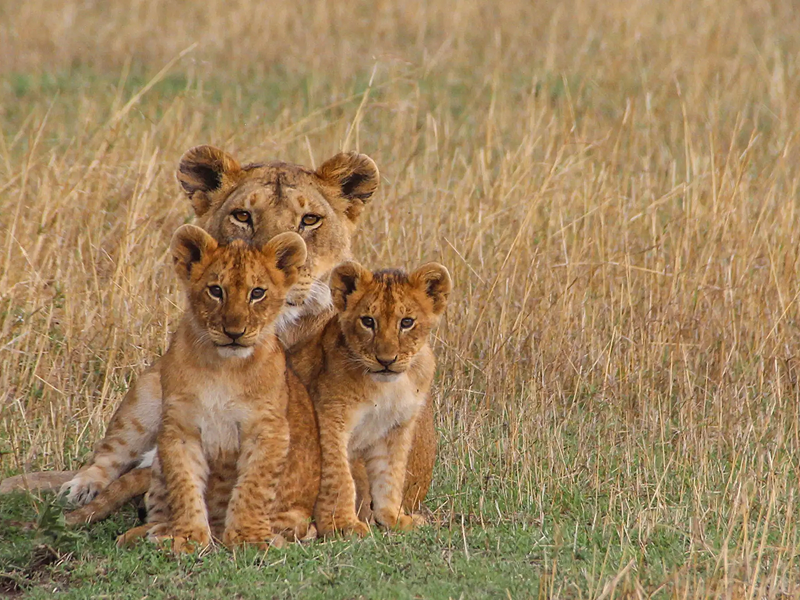
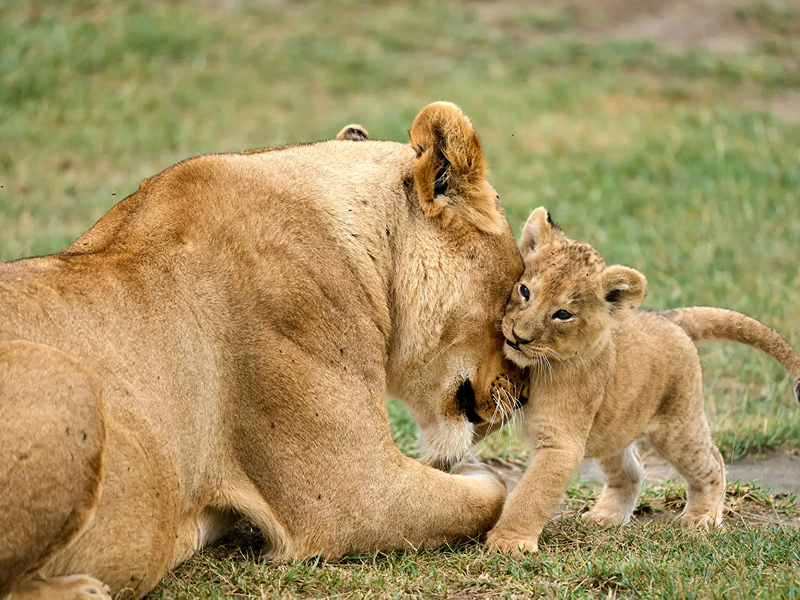
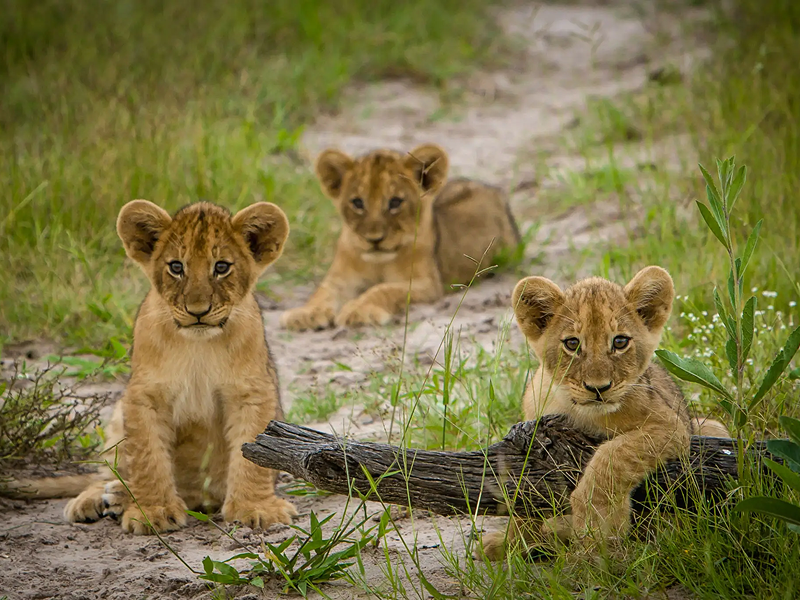
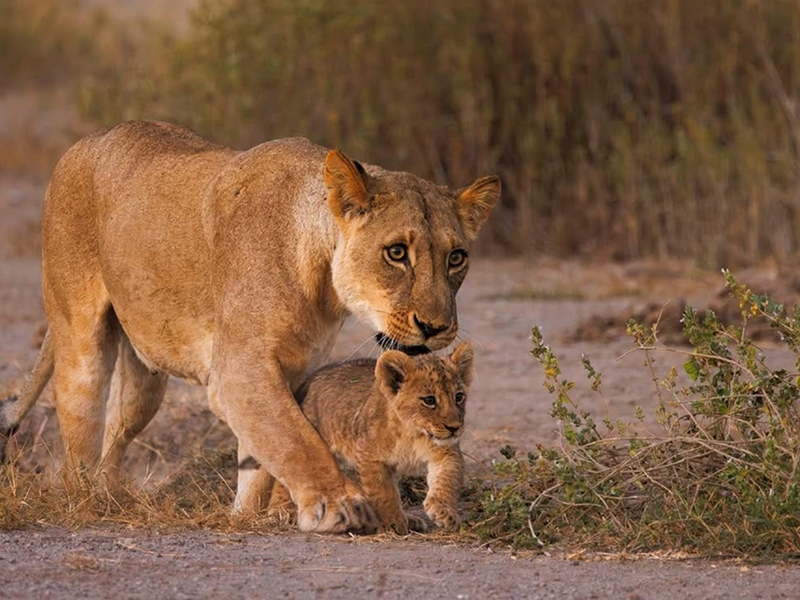
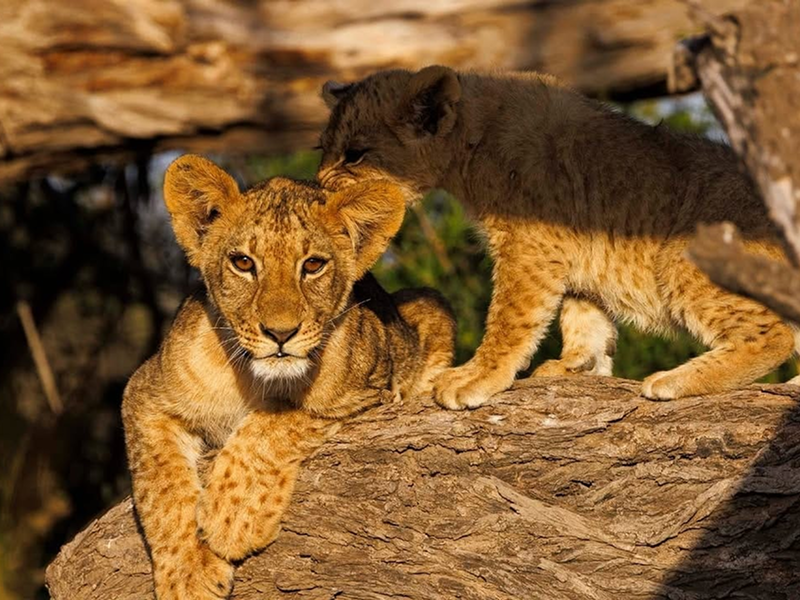
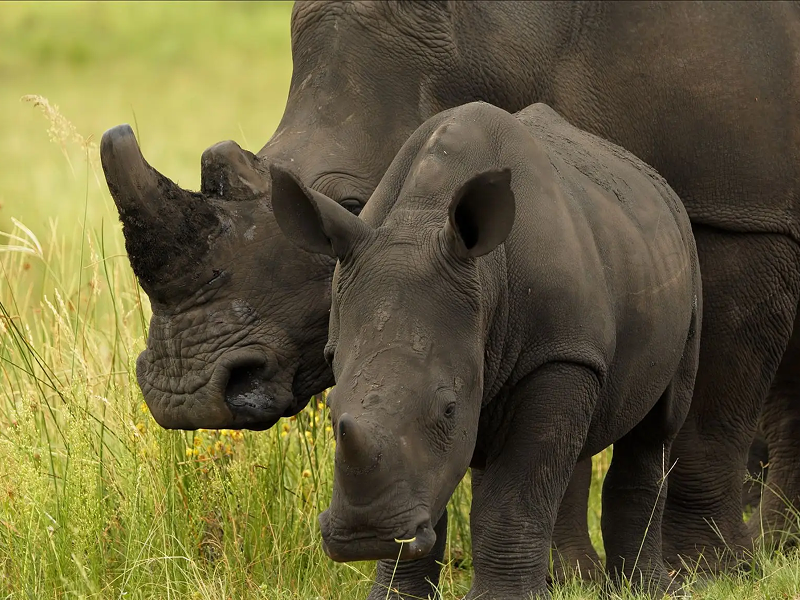
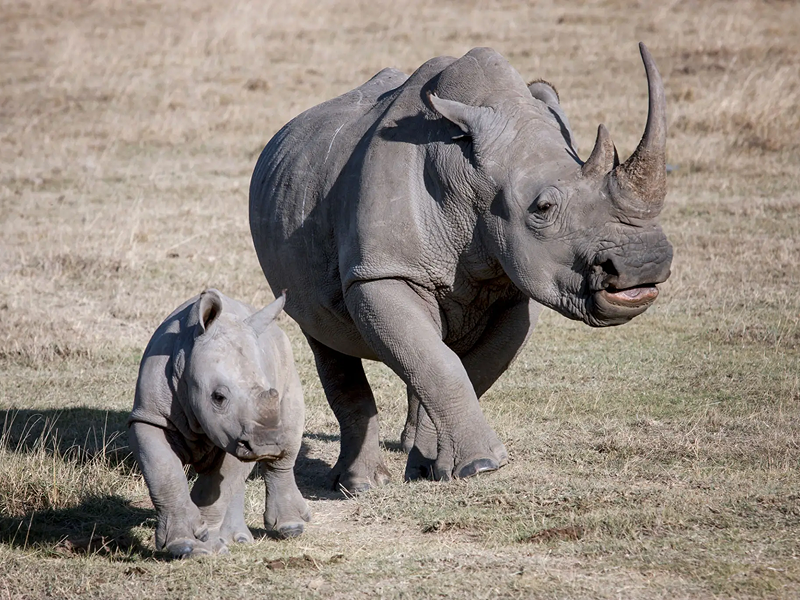
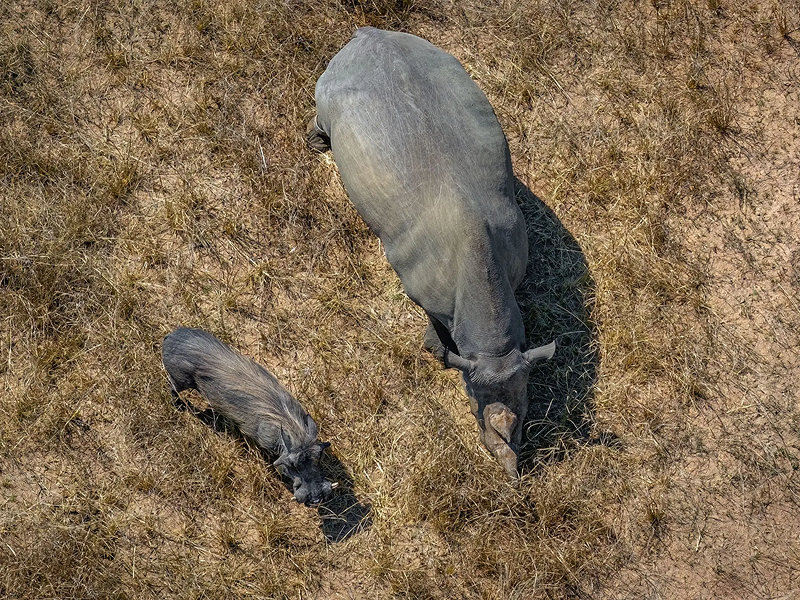
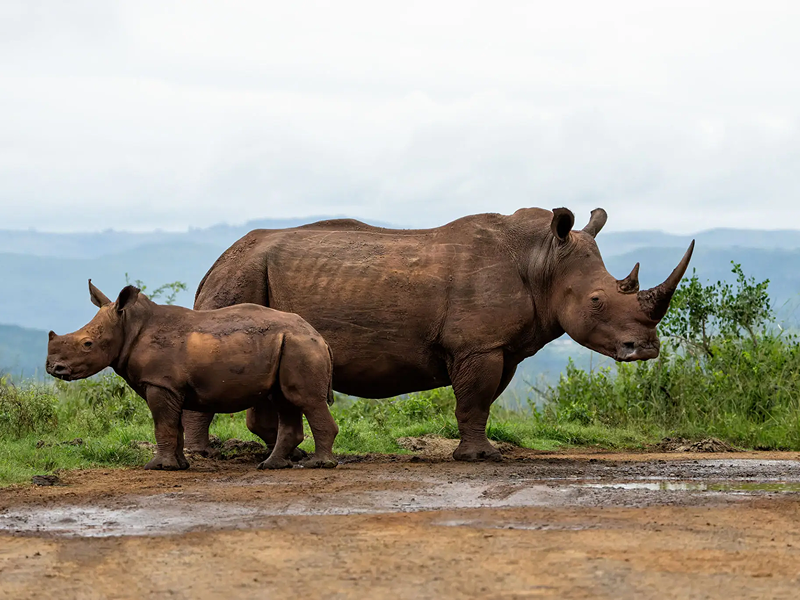
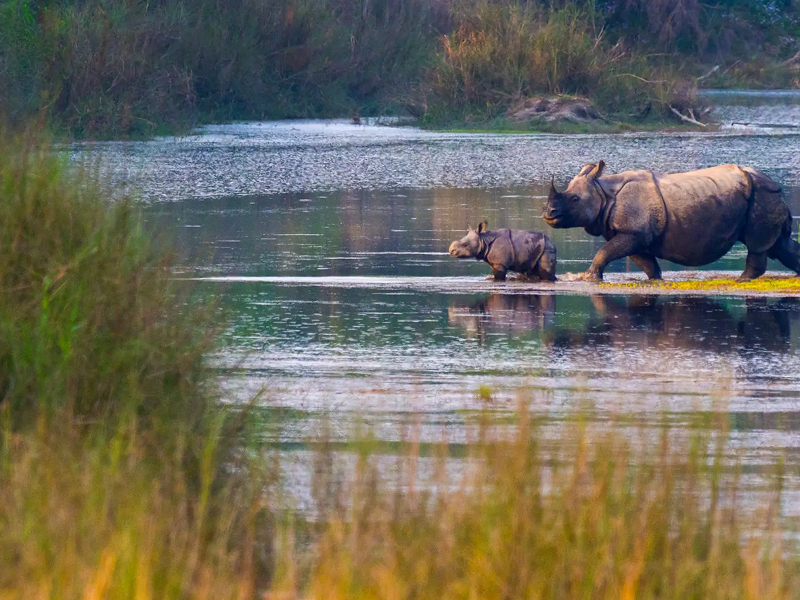
Tanzania is one of the best safari destinations in the world, offering incredible opportunities to witness the Big Five lion, leopard, elephant, buffalo, and rhino alongside a vast array of other species.
Tanzania’s landscapes are among the most diverse in Africa. The world-renowned Serengeti National Park is the heart of the country’s safari experience, famous for its endless golden plains and abundant wildlife. This is where the Great Migration unfolds a breathtaking natural event where millions of wildebeest, zebras, and gazelles move in search of fresh grazing, closely followed by predators.
Nearby, the spectacular Ngorongoro Crater offers one of the highest concentrations of wildlife in Africa, often described as a natural amphitheater filled with lions, elephants, rhinos, and flamingos.
Another hidden gem in northern Tanzania is Tarangire National Park, a park known for its striking landscapes dotted with ancient baobab trees and vast elephant herds. During the dry season, the Tarangire River becomes a lifeline for wildlife, attracting large numbers of elephants, zebras, wildebeest, giraffes, and predators. Tarangire offers a quieter, more exclusive safari experience, ideal for travelers seeking intimacy and fewer crowds.
Further north, the vibrant town of Arusha serves as the gateway to Tanzania’s famous northern safari circuit. Nestled at the base of Mount Meru and close to Mount Kilimanjaro, Arusha offers more than just access to safaris. Visitors can explore local markets, coffee plantations, and cultural centers, or enjoy day trips to Arusha National Park, known for walking safaris, canoeing, and scenic landscapes filled with giraffes, buffalo, flamingos, and colobus monkeys.
On the eastern coast lies Dar es Salaam, Tanzania’s largest city and a vibrant cultural and economic hub. Overlooking the Indian Ocean, Dar es Salaam offers a lively mix of modern life and Swahili heritage. Visitors can explore bustling markets, waterfront restaurants, art galleries, and nearby islands such as Bongoyo and Mbudya, perfect for day trips with pristine beaches and crystal-clear waters. The city also serves as the main gateway to southern Tanzania and the Zanzibar archipelago, making it an important starting or ending point for many journeys.
To the west, remote parks like Mahale Mountains National Park and Gombe Stream National Park provide rare opportunities to track wild chimpanzees along the shores of Lake Tanganyika.
Along the coast, Tanzania transforms into a tropical paradise. The island of Zanzibar is renowned for its white-sand beaches, turquoise waters, and rich Swahili culture. Stone Town, a UNESCO World Heritage Site, tells stories of trade and cultural fusion through its winding alleys and historic architecture.
In southern Tanzania, parks such as Selous Game Reserve (now part of Nyerere National Park) and Ruaha National Park provide more remote, off-the-beaten-path experiences with fewer crowds and abundant wildlife.
Unique safari experiences include walking safaris, boat safaris along rivers, hot air balloon rides over the Serengeti, and cultural visits to local villages.
The People of Tanzania: Culture and Traditions
Tanzania is home to over 120 ethnic groups, making it one of the most culturally diverse countries in Africa. Despite this diversity, the country is united by a strong national identity and the widespread use of Swahili.
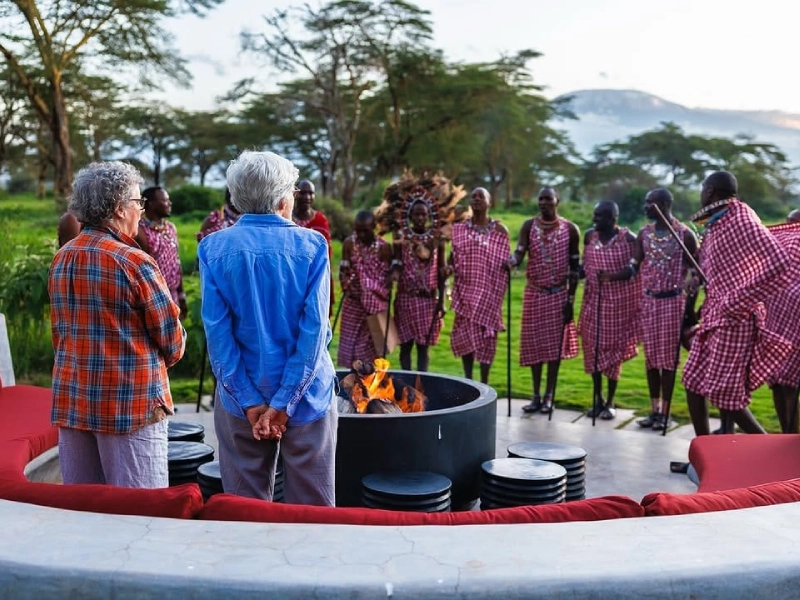
The Maasai are among the most well-known groups, recognized for their distinctive dress, beadwork, and semi-nomadic lifestyle. Visitors often have the opportunity to visit Maasai villages and learn about their traditions, ceremonies, and connection to the land.
Other groups include the Chagga, Sukuma, Haya, and Hadzabe. The Hadzabe, one of the last remaining hunter-gatherer communities in Africa, offer a rare glimpse into ancient ways of life, while the Chagga people, living on the slopes of Kilimanjaro, are known for their agricultural traditions and coffee farming.
Tanzanian culture is deeply rooted in community, music, storytelling, and hospitality. Coastal regions reflect strong Swahili, Arab, and Persian influences, visible in architecture, cuisine, and daily life.
Cities and Cultural Hubs
Tanzania’s cities offer a blend of modern life and cultural heritage:
- Arusha – The safari capital of northern Tanzania and the gateway to Serengeti, Ngorongoro, and Kilimanjaro.
- Dar es Salaam – A bustling coastal city with markets, beaches, and cultural diversity.
- Stone Town – A cultural and historical gem with Swahili, Arab, and European influences.
Best Time to Travel & Seasons in Tanzania
Tanzania is a year-round destination, but each season offers a unique experience:
☀️ Dry Season (June to October) – Peak Safari Season
- Best time for wildlife viewing as animals gather around water sources
- Ideal for the Great Migration river crossings in the Serengeti (June–July)
- Cooler temperatures and clear skies
- High season with premium pricing
🌸 Short Dry Season (January to February) – Calving Season
- Excellent time to visit the southern Serengeti
- Thousands of wildebeest calves are born, attracting predators
- Great for photography and dramatic wildlife encounters
🌦️ Short Rains (November to December)
- Light, brief showers with lush green landscapes
- Fewer crowds and good value
- Excellent birdwatching season
🌿 Long Rains (March to May) – Green Season
- Heavier rainfall and fewer tourists
- Landscapes are at their most vibrant and beautiful
- Some lodges may close, but prices are lower
- Ideal for travelers seeking tranquility and photography opportunities
Why Tanzania?
Tanzania offers a journey that is both wild and soulful where travelers can witness one of nature’s greatest spectacles, climb Africa’s highest peak, connect with ancient cultures, and unwind on tropical beaches.
Whether it’s watching the Great Migration in the Serengeti, exploring the Ngorongoro Crater, meeting Maasai communities, or relaxing in Zanzibar, Tanzania delivers an experience that is immersive, diverse, and truly unforgettable.
Tanzania Today
Tanzania remains one of Africa’s most extraordinary travel destinations, renowned for its vast wilderness areas, spectacular wildlife, and breathtaking natural landscapes. With nearly one-third of the country protected as national parks and conservation areas, Tanzania offers some of the most authentic safari experiences in the world.
The bustling coastal city of Dar es Salaam serves as Tanzania’s economic center and an important gateway to the country’s southern safari circuits and the Indian Ocean islands. Meanwhile, Arusha remains the primary hub for northern safaris, providing easy access to iconic destinations such as the Serengeti and the Ngorongoro Crater.
Tanzania is globally recognized for its strong conservation commitment, protecting vast ecosystems that allow wildlife to thrive in their natural habitats. From luxury safari lodges to intimate tented camps, travelers can experience remarkable wildlife encounters while enjoying exceptional hospitality.
The country is peaceful, welcoming, and culturally rich, with a strong sense of national identity and pride in its natural heritage.
Language
Tanzania has two main official languages: Swahili and English. Swahili is widely spoken across the country and serves as the national language, while English is commonly used in tourism, government, and business.
Currency
The local currency is the Tanzanian Shilling (TZS). Credit cards are accepted in major hotels and lodges, though cash is often useful in smaller towns and local markets. U.S. dollars are also commonly used in the tourism industry.