Botswana
Africa’s Last Great Wilderness
Botswana is one of Africa’s most extraordinary safari destinations, known for its vast untouched wilderness, incredible wildlife, and commitment to conservation. The country has become a benchmark for sustainable tourism, protecting its natural landscapes while offering travelers some of the most exclusive and immersive safari experiences in the world.
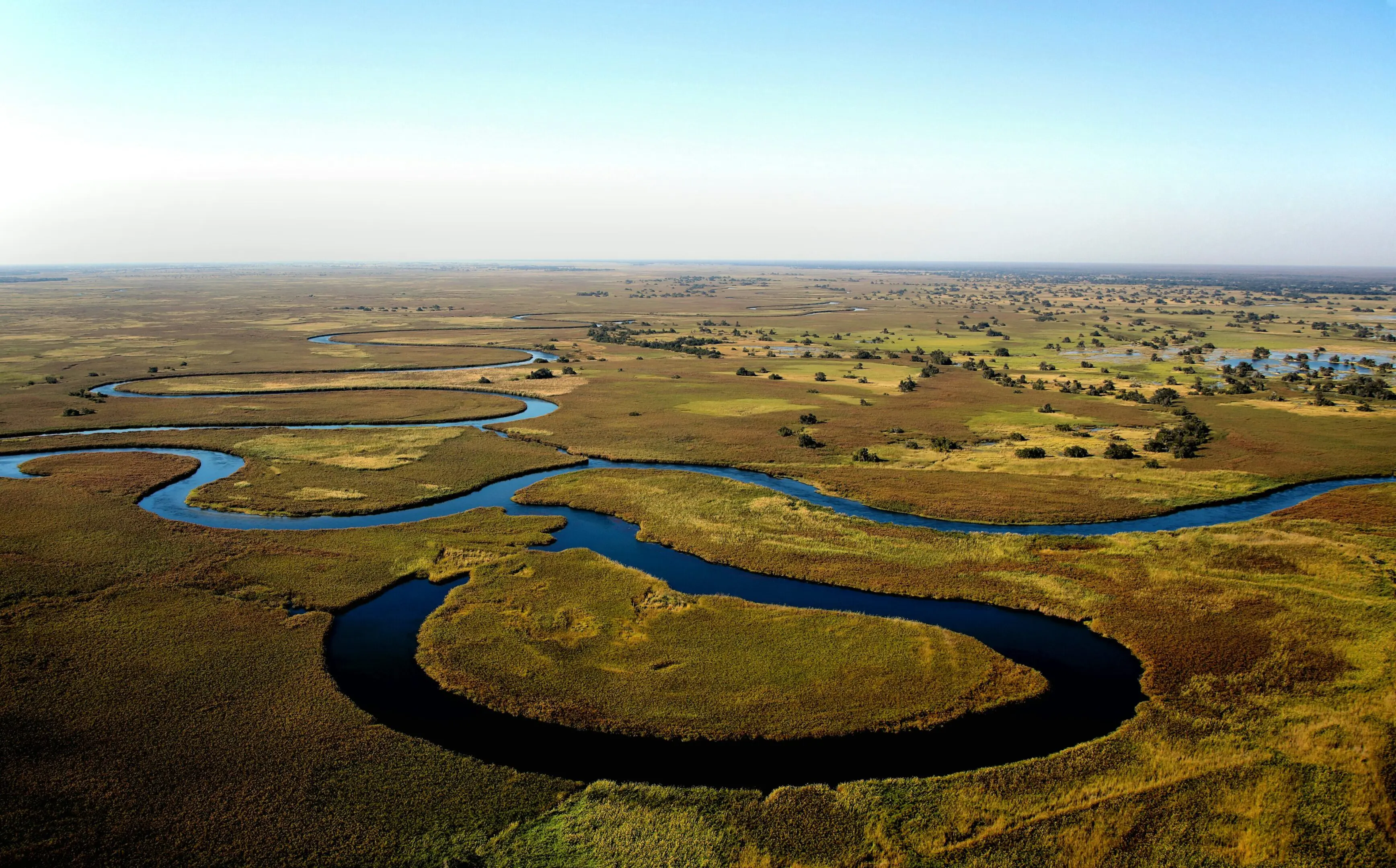
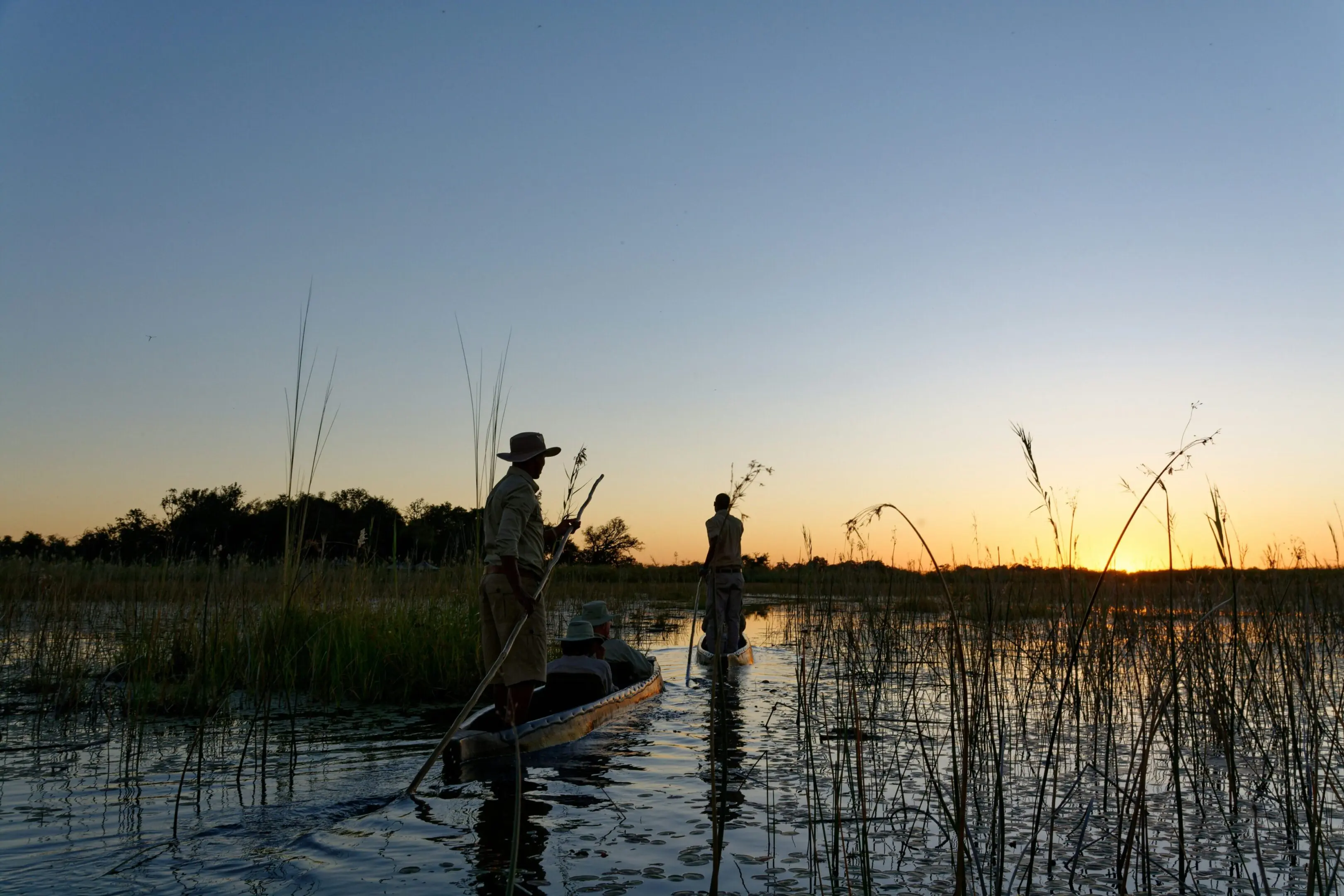
The jewel of Botswana is the breathtaking Okavango Delta, one of the planet’s most unique ecosystems and a UNESCO World Heritage Site. Each year seasonal floodwaters transform the desert into a lush oasis, attracting enormous numbers of animals and birds. Visitors explore the delta through guided safaris, tranquil boat excursions, and traditional mokoro canoe trips, drifting silently through channels surrounded by elephants, hippos, and abundant birdlife.
The safari gateway town of Maun serves as the starting point for many journeys into the delta’s remote lodges and wildlife reserves.
Further north, the town of Kasane provides access to Chobe National Park, famous for having one of the largest concentrations of elephants in Africa. River safaris along the Chobe River allow visitors to observe elephants, buffalo, crocodiles, and countless bird species from the water.
In contrast to the delta’s lush environment, the vast Makgadikgadi Pans present an otherworldly landscape of shimmering white salt flats stretching to the horizon. During certain seasons, these pans host spectacular migrations of zebras and flamingos.
Botswana offers travelers a rare opportunity to experience Africa’s wilderness in its purest and most untouched form.
Botswana is not just a land of pristine wilderness and iconic wildlife—it is also a country rich in culture and tradition, shaped by its diverse and vibrant people. The population is around 2.5 million, making it one of Africa’s less densely populated nations, which contributes to the sense of space and tranquility across its landscapes.
Tourism Highlights
Wildlife & Safari Experiences
Botswana is home to some of the largest concentrations of elephants in Africa. Okavango Delta provides a unique water-based safari experience with mokoro (dugout canoe) excursions and close encounters with hippos, crocodiles, and birds.
National Parks
- Chobe National Park – Famous for massive elephant herds and riverfront safaris along the Chobe River.
- Moremi Game Reserve – Known for rich wildlife diversity and luxury camps in the Okavango Delta.
- Makgadikgadi Pans – Dramatic salt flats ideal for stargazing, desert-adapted wildlife, and seasonal zebra and wildebeest migrations.
Adventure & Scenic Landscapes
Botswana offers desert safaris in Kalahari Desert, birdwatching, cultural village visits, and guided photographic expeditions.
Ethnic Groups and Tribes
Botswana is home to over 20 distinct ethnic groups, each with its own customs, language, and traditions. The largest group is the Tswana, who make up roughly 79% of the population and are divided into several sub-groups, including the Bangwato, Bakwena, and Batawana. The Tswana are known for their rich storytelling, traditional music, and communal celebrations.
Other significant groups include:
Kalanga
Found mostly in northeastern Botswana, they are known for farming, pottery, and vibrant cultural festivals.
Basarwa (San people)
Among the oldest inhabitants of Southern Africa, the San are famous for their tracking and survival skills, unique click languages, rock art, and intimate connection with nature.
Herero, Bayei, and Lozi
Smaller communities with distinct clothing, ceremonies, and traditional dances.
Language and Communication
Botswana’s official language is English, used in government, education, and business. However, Setswana is the most widely spoken indigenous language and serves as a unifying cultural thread across many tribes. Other languages, including Kalanga, Sekgalagadi, and San languages, continue to be spoken in their respective regions, preserving linguistic diversity.
Culture and Traditions
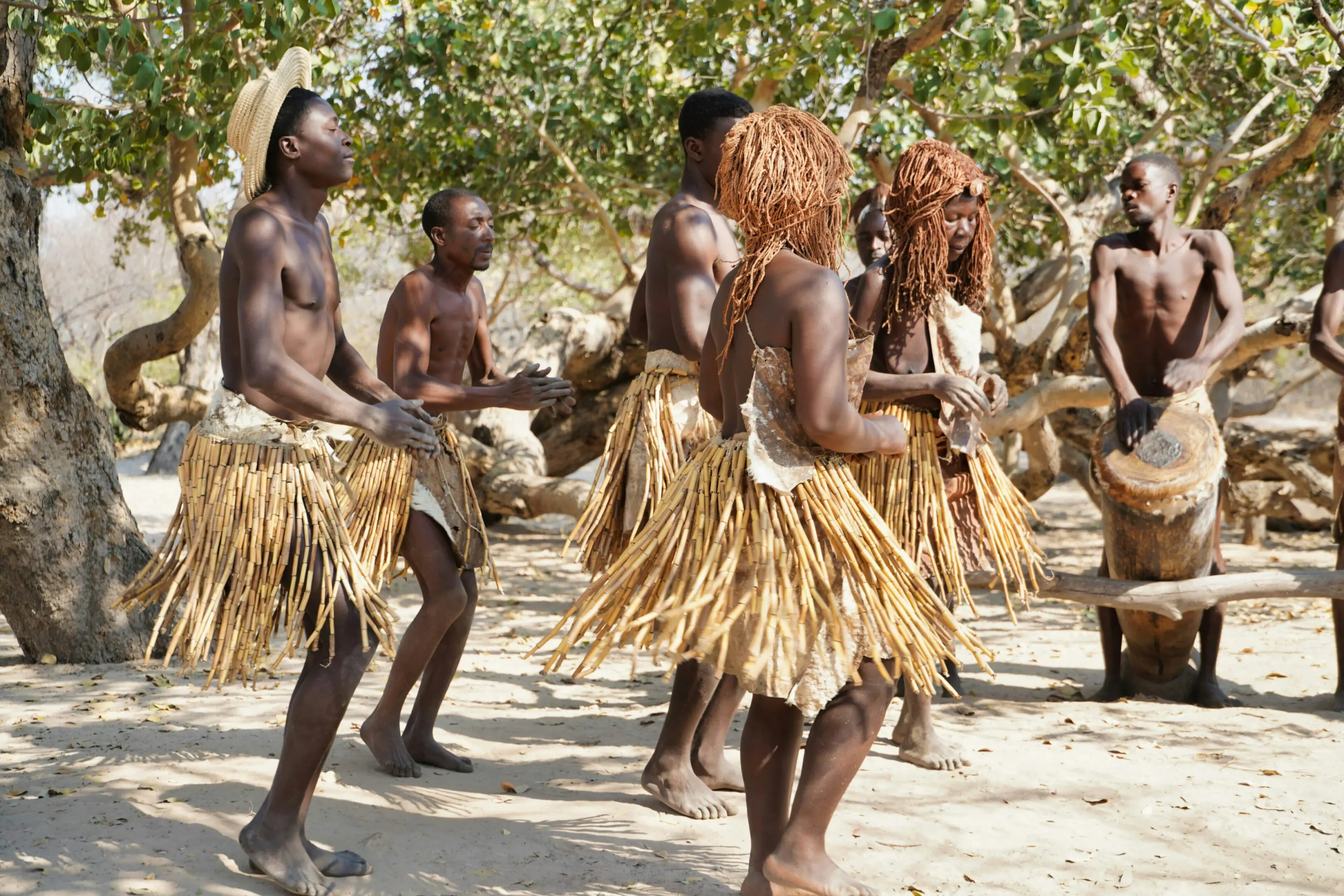
Botswana’s people are deeply rooted in traditions and communal values. Music, dance, and oral storytelling play central roles in preserving heritage. Drumming, traditional songs, and dances mark celebrations, initiation ceremonies, and festivals. The San people, in particular, are renowned for their trance dances, which are spiritual and community-centered events that celebrate unity and healing.
Traditional crafts are also important cultural expressions. Beadwork, basket weaving, pottery, and handmade textiles are not only artistic expressions but also vital elements of cultural identity and livelihood, often sold to tourists as a way to support local communities.
Lifestyle and Social Structure
Botswana has a strong sense of community, with extended families and village life forming the backbone of social structure. Traditional councils (called kgotlas) continue to play an important role in local governance, dispute resolution, and decision-making, blending centuries-old customs with modern governance.
The people of Botswana are known for their warm hospitality, resilience, and pride in their heritage, making visitors feel welcome and immersed in authentic local experiences. Whether sharing a meal, joining a village ceremony, or learning survival skills in the Kalahari Desert, travelers gain a deep appreciation of the connection between Botswana’s people and their land.
Best Time to Travel & What to See
Botswana’s tourism is highly seasonal, and timing your visit affects both wildlife viewing and the type of safari experience:
☀️ Dry Season (May to October) – Peak Safari Season
- Where to Go: Okavango Delta, Chobe National Park, Moremi Game Reserve, Kalahari
- What to See:
- Wildlife concentrates around water sources for easier Big Five sightings
- Perfect time for photographic safaris with clear skies and minimal rain
- Excellent game drives and walking safaris
- Birdwatching opportunities as migratory birds are abundant
- Best For: Classic safari experiences, wildlife photography, luxury lodges
🌦️ Wet Season (November to April) – Green / Low Season
- Where to Go: Okavango Delta (water levels rise), Makgadikgadi Pans
- What to See:
- Lush, green landscapes with abundant wildlife
- Breeding season for many animals; calves and young animals visible
- Birdwatching at its best with migratory and endemic species
- Okavango Delta transforms into a water wonderland for mokoro safaris
- Best For: Birdwatching, intimate wildlife experiences, lush scenic landscapes
- Note: Roads in remote areas can be muddy; travel requires 4x4 vehicles or light aircraft transfers
Language
Botswana has two official languages: English and Tswana (Setswana). English is widely used in business, tourism, and government, making communication easy for international travelers. Tswana is the national language and is spoken across communities, providing cultural immersion for visitors.
Currency
- Botswana Pula (BWP)
- Credit and debit cards accepted in lodges, hotels, and larger towns
- Cash (Pula) recommended in remote areas, safari camps, and markets
- U.S. dollars can sometimes be exchanged in tourist areas