South Africa
A World in One Country
South Africa is one of the most diverse and fascinating destinations on the African continent, offering travelers an extraordinary combination of wildlife, culture, scenic landscapes, and world-class cities. Often described as “a world in one country,” South Africa presents a remarkable variety of experiences that can satisfy every type of traveler—from adventurous safari enthusiasts to lovers of culture, cuisine, and breathtaking scenery.
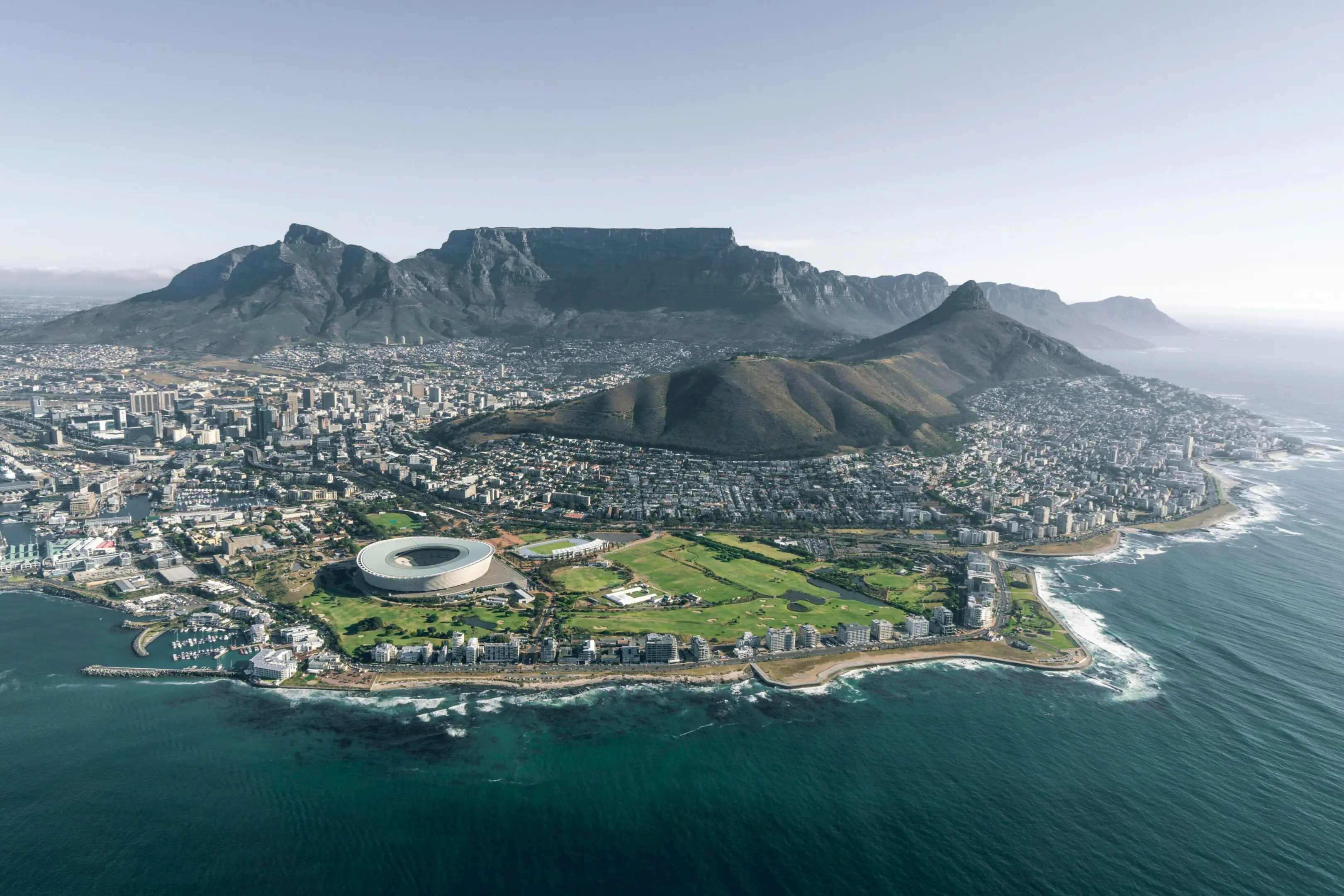
The journey often begins in the beautiful coastal city of Cape Town, widely regarded as one of the most spectacular cities in the world. Nestled between the Atlantic Ocean and the iconic Table Mountain, Cape Town offers stunning beaches, vibrant neighborhoods, and rich cultural experiences. Visitors can explore the historic Robben Island, where Nelson Mandela was imprisoned, or take scenic drives along the Cape Peninsula to the dramatic cliffs of Cape Point.
Wine lovers will find themselves captivated by the nearby Cape Winelands, including charming towns like Stellenbosch and Franschhoek, where rolling vineyards and historic estates produce some of the finest wines in the world.
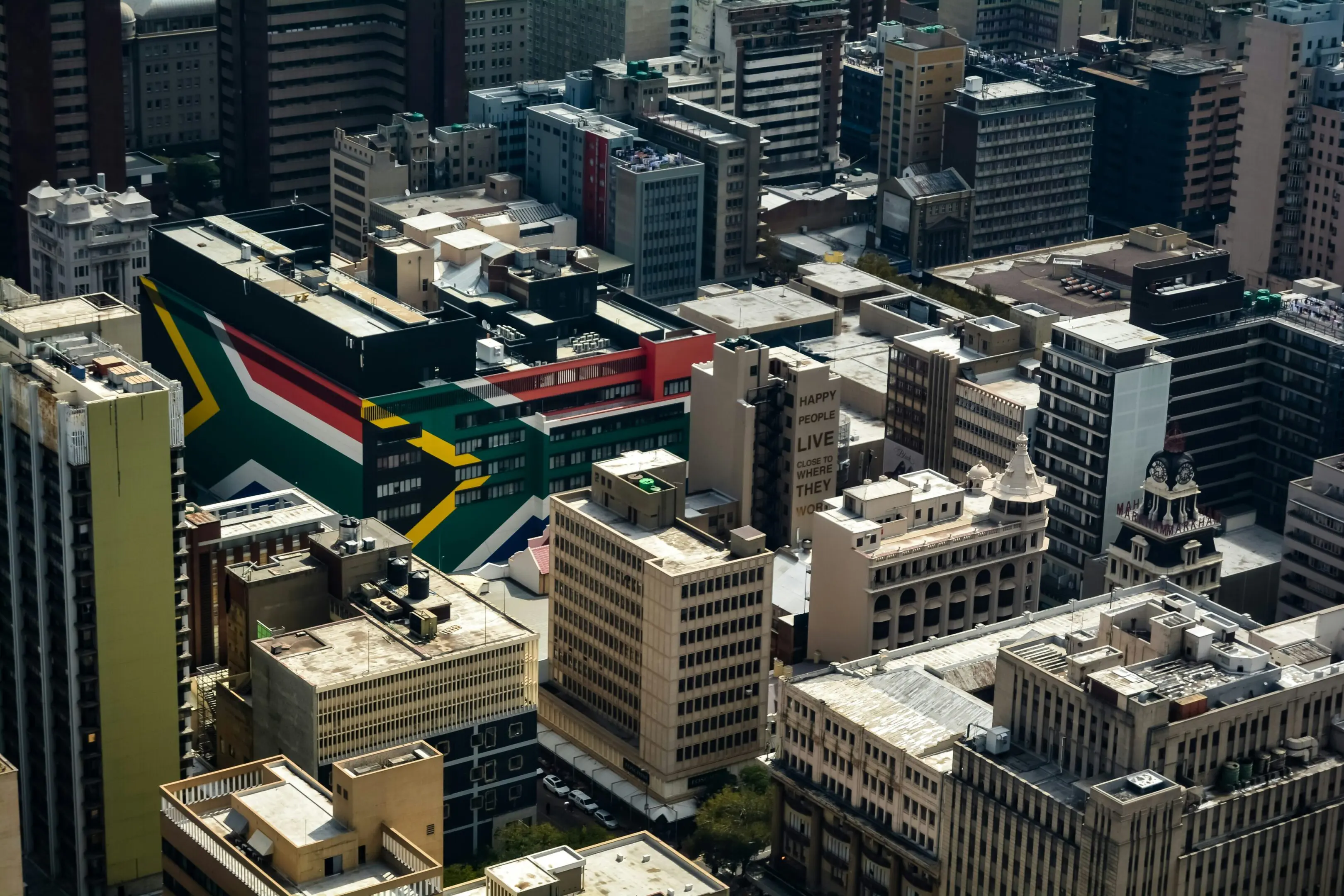
Further inland, Johannesburg offers powerful insights into the country’s history and transformation. The nearby township of Soweto allows visitors to experience the vibrant culture and learn about the struggle against apartheid.
For many travelers, the highlight of South Africa is its spectacular wildlife safaris. In Kruger National Park and its surrounding private reserves, visitors have the opportunity to encounter the legendary Big Five—lion, leopard, elephant, buffalo, and rhino—along with hundreds of other species.
From coastal beauty and world-class wines to thrilling safaris and rich cultural heritage, South Africa offers an unforgettable introduction to Africa.
South Africa is often called the “Rainbow Nation”, a term coined by Archbishop Desmond Tutu to describe the country’s incredible cultural, ethnic, and linguistic diversity. With a population of over 60 million people, South Africa is home to a rich mosaic of ethnic groups, each contributing unique traditions, languages, music, and art to the national identity.
Tourism Highlights
- Wildlife & Safari Experiences: South Africa is home to the Big Five lion, leopard, elephant, buffalo, and rhino. Kruger National Park offers world-class safari experiences, while private reserves such as Sabi Sands and Madikwe provide intimate encounters in exclusive settings.
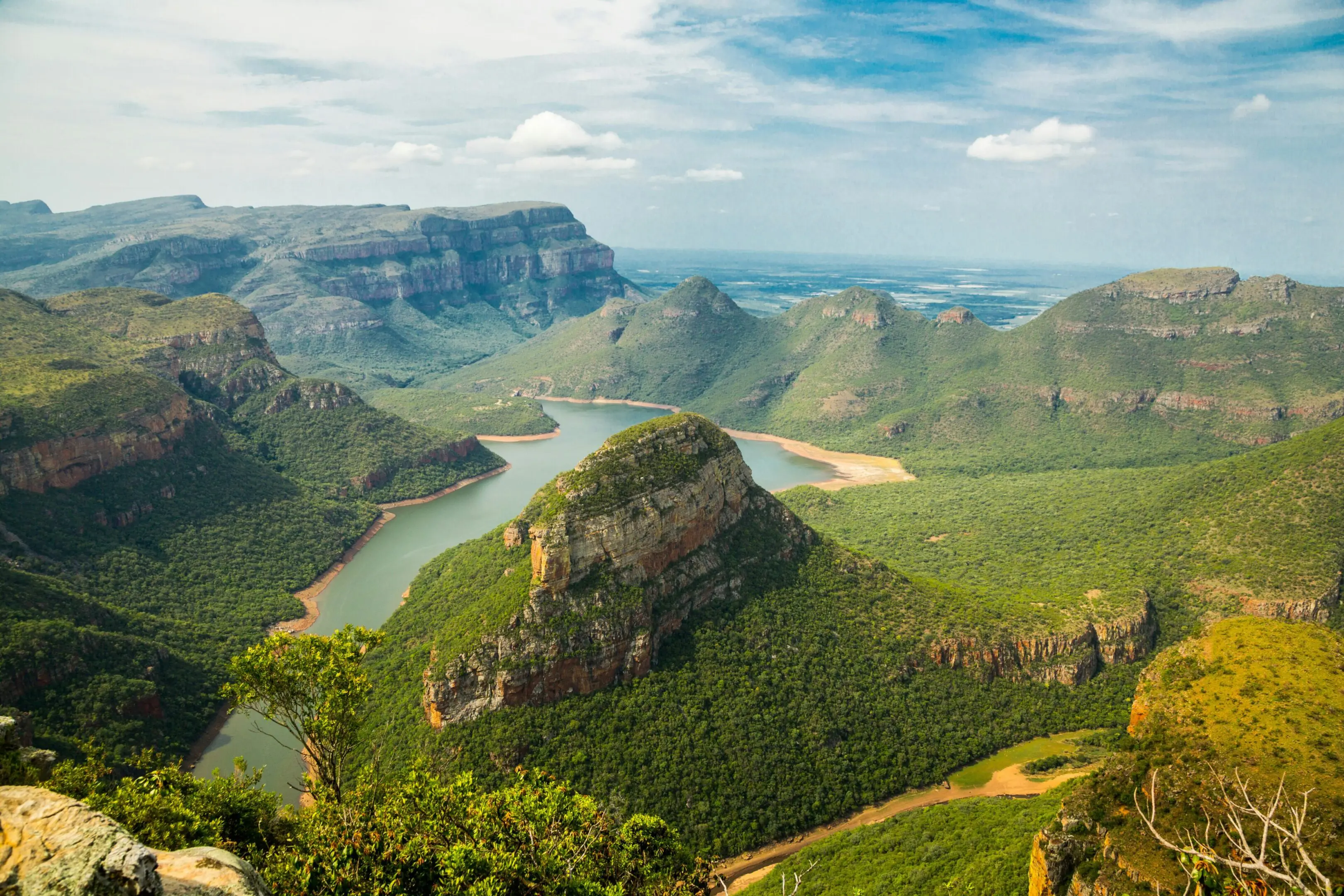
- Scenic Landscapes: From the rolling vineyards of Stellenbosch and the dramatic cliffs of the Drakensberg Mountains to the panoramic vistas along the Garden Route, South Africa offers natural beauty at every turn.
- Cities & Cultural Hubs:
- Cape Town – Known for Table Mountain, Robben Island, beaches, and cosmopolitan dining.
- Johannesburg – The economic hub with cultural attractions such as the Apartheid Museum and vibrant urban life.
- Durban – Famous for Indian Ocean beaches, a subtropical climate, and rich Zulu culture.
- Pretoria – The administrative capital with historical landmarks and beautiful jacaranda-lined streets.
Ethnic Groups and Tribes
South Africa’s population is composed primarily of:
- Zulu – The largest ethnic group, mainly in KwaZulu-Natal, known for their warrior history, vibrant dances, beadwork, and rich oral traditions.
- Xhosa – Found in the Eastern Cape, Xhosa people are famous for their intricate beadwork, storytelling, and initiation rites (ulwaluko).
- Sotho/Tswana/Tsonga – These groups are concentrated in regions like the Free State, North West, and Limpopo, each with distinctive music, crafts, and folklore.
- Venda and Ndebele – Venda people celebrate colorful rituals and spiritual traditions, while Ndebele communities are recognized for their striking painted houses and geometric beadwork.
- Afrikaners – Descendants of Dutch, German, and French settlers, predominantly speaking Afrikaans. Their culture blends European heritage with South African traditions.
- English-speaking South Africans – Concentrated in cities such as Johannesburg, Cape Town, and Durban, they maintain Western cultural practices, contributing to South Africa’s cosmopolitan identity.
- Indian/Asian communities – Particularly in Durban, these communities have lived in South Africa for generations, bringing vibrant cuisine, festivals, and cultural practices.
- Coloured communities – A diverse group of mixed heritage, mostly in the Western Cape, known for their unique blend of European, African, and Asian cultural influences.
Languages and Communication
South Africa is remarkable for having 11 official languages, including Zulu, Xhosa, Afrikaans, English, Tswana, Sesotho, Venda, and others. Each language carries its own literature, oral traditions, and idioms, reflecting centuries of cultural evolution. Multilingualism is common, and many South Africans easily switch between languages in daily life.
Culture and Traditions
South African culture is a vibrant fusion of indigenous African, European, and Asian influences. Music, dance, and storytelling are integral to daily life. Traditional Zulu and Xhosa dances, drumming, and songs are performed at ceremonies and festivals, while township jazz, kwaito, and contemporary pop reflect modern urban culture.
Craftsmanship is also highly valued. Ndebele painted houses, Shona stone sculptures (though Zimbabwean in origin, also admired in South Africa), and handwoven baskets showcase the country’s artistic heritage. Festivals such as the National Arts Festival in Grahamstown, Cape Town Jazz Festival, and heritage celebrations honor cultural diversity and creativity.
Lifestyle and Social Structure
Family and community are central to South African life. Extended families often live close together, and traditional councils or “chiefdoms” remain important in rural areas. Religion also plays a key role, with Christianity being predominant, alongside Islam, Hinduism, and indigenous spiritual practices.
South Africans are known for their resilience, warmth, and hospitality. Visitors often experience firsthand the generosity of local communities, whether sharing a meal, participating in a cultural dance, or learning traditional crafts.
The Rainbow Nation Today
Today, South Africa’s people live in dynamic cities like Johannesburg, Cape Town, and Durban, while rural areas preserve centuries-old customs and traditions. The country’s diversity is its strength, offering travelers an unparalleled opportunity to explore both natural wonders and a rich tapestry of human culture.
From its wildlife and landscapes to its vibrant cities and multicultural communities, South Africa offers travelers a journey filled with adventure, discovery, and lasting memories.
Best Time to Travel & What to See
South Africa’s seasons are opposite to the Northern Hemisphere. Each season offers unique experiences:
1. Dry Winter (May to September) – Peak Safari Season
- Where to Go: Kruger, Sabi Sands, Madikwe, Pilanesberg
- What to See:
- Wildlife concentrated near waterholes, making Big Five sightings easier
- Excellent conditions for photography with clear skies
- Whale watching begins along the southern coast (Hermanus, June–November)
- Mild, sunny weather ideal for walking safaris
- Best For: Wildlife safaris, bird photography, and outdoor adventures
2. Wet Summer (October to April) – Green Season
- Where to Go: Kruger, Drakensberg, Garden Route, Cape Town, KwaZulu-Natal coast
- What to See:
- Dramatic, lush green landscapes and flowering scenery
- Birdwatching at its peak; migratory birds are abundant
- Whale watching continues along the coast (July–November)
- Cape Town: vibrant city life, beaches, and wine tours
- KwaZulu-Natal: surfing, snorkeling, and coastal wildlife
- Best For: Photography of landscapes, birding, and less crowded safari experiences
3. Spring (September to November – Late Dry / Early Wet)
- Where to Go: Cape Winelands, Garden Route, Drakensberg
- What to See:
- Blooming flowers in Cape Town and surrounding regions
- Baby animals on savannahs as some rains begin
- Pleasant hiking and scenic drives
- Best For: Nature photography, scenic exploration, and wine tours
4. Summer (December to February – Peak Wet Season)
- Where to Go: Kruger, Drakensberg, coastal resorts
- What to See:
- Rainfall brings vibrant green landscapes
- Wildflowers bloom in Namaqualand (though mostly February–March)
- Coastal beaches and diving in KwaZulu-Natal and Eastern Cape
- Fewer tourists in safari areas compared to dry season
- Best For: Birdwatching, lush landscape photography, and tropical coastal adventures
Language
South Africa has 11 official languages, including English, Zulu, Xhosa, Afrikaans, and Sesotho. English is widely used in tourism, business, and government, making travel easy for international visitors. Regional languages add cultural depth to experiences in rural and urban areas.
Currency
- South African Rand (ZAR)
- Credit cards widely accepted in hotels, lodges, and restaurants
- Cash is useful for small markets or rural areas
- U.S. dollars can be exchanged in major cities