Rwanda
Land of a Thousand Hills
Rwanda is a nation of resilience, beauty, and profound transformation a place where the spirit of hope rises from mist-covered mountains, where nature flourishes in breathtaking harmony, and where the warmth of its people leaves an everlasting mark on every traveler. Rwanda is a destination that feels like a peaceful sanctuary, defined by rolling green landscapes, vibrant culture, and some of the most meaningful wildlife encounters on earth.
Rwanda’s scenery is defined by its endless rolling hills, mist-covered mountains, and lush forests. The country’s natural beauty is both dramatic and serene, creating an atmosphere that feels untouched and deeply peaceful.
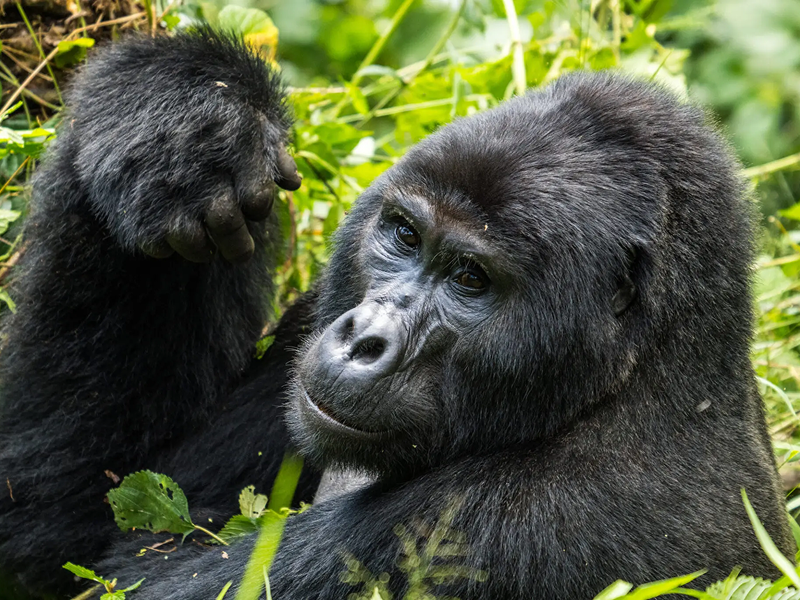
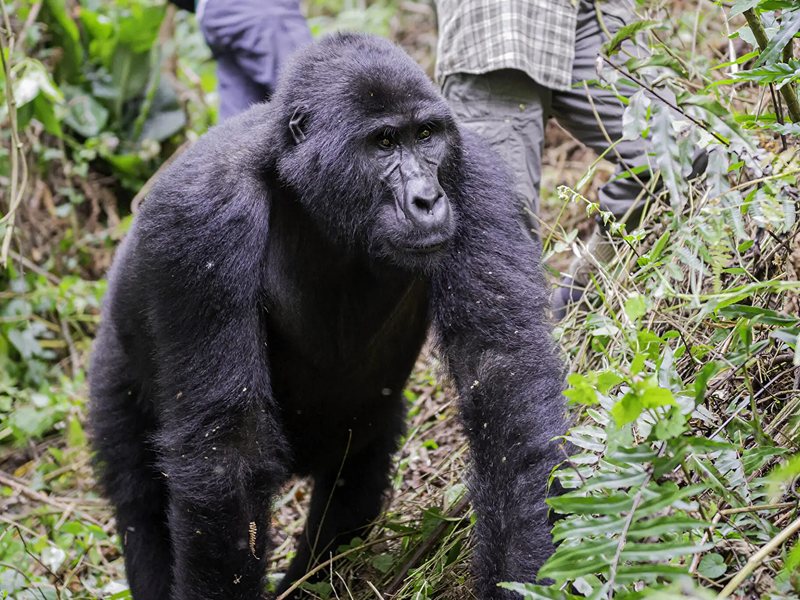
At the heart of Rwanda’s tourism is Volcanoes National Park, a breathtaking mountainous region that is home to the endangered mountain gorillas. Trekking through bamboo forests and misty slopes to encounter these gentle giants is one of the most exclusive and life-changing wildlife experiences in the world.
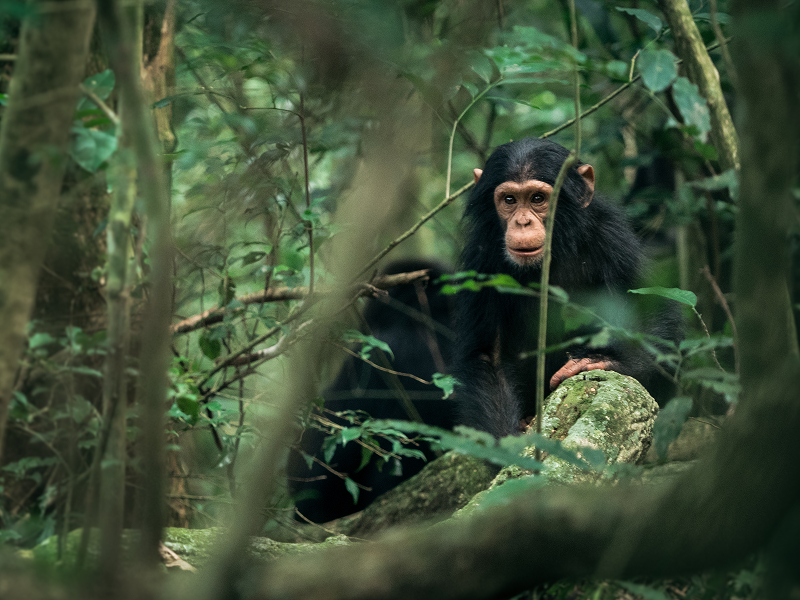
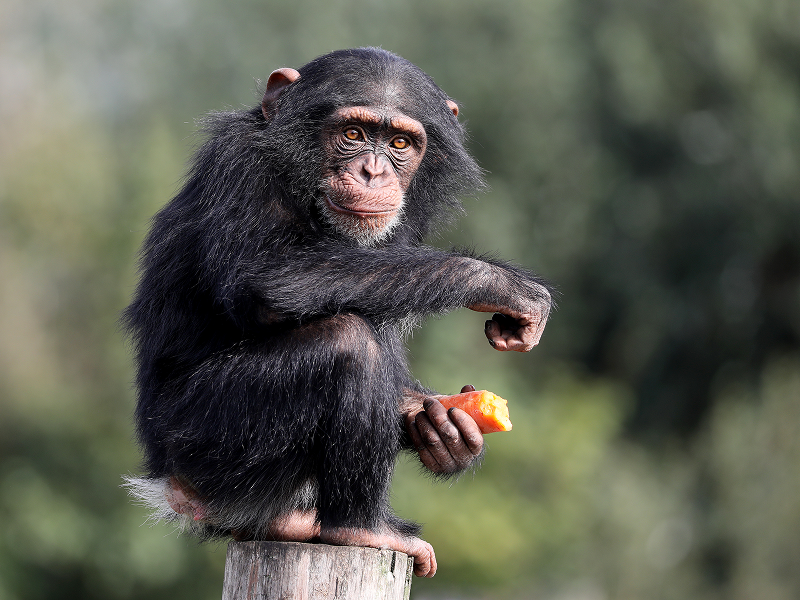
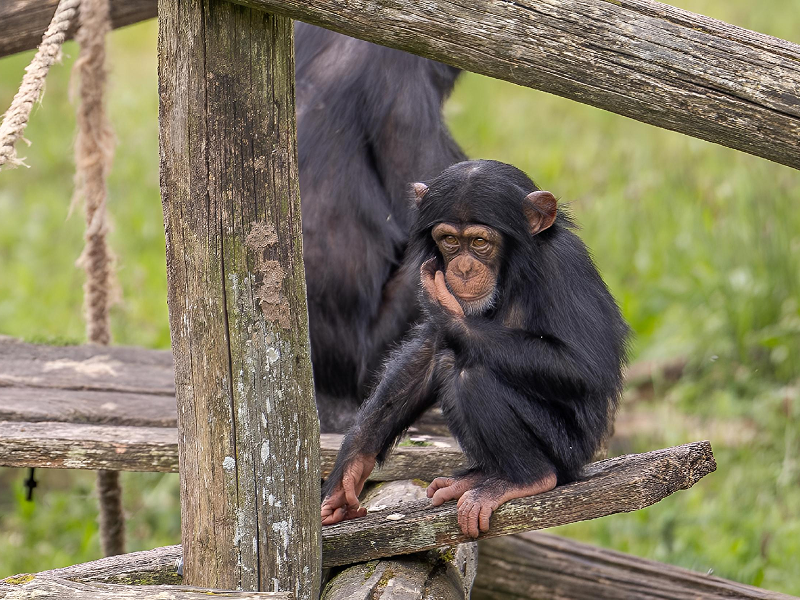
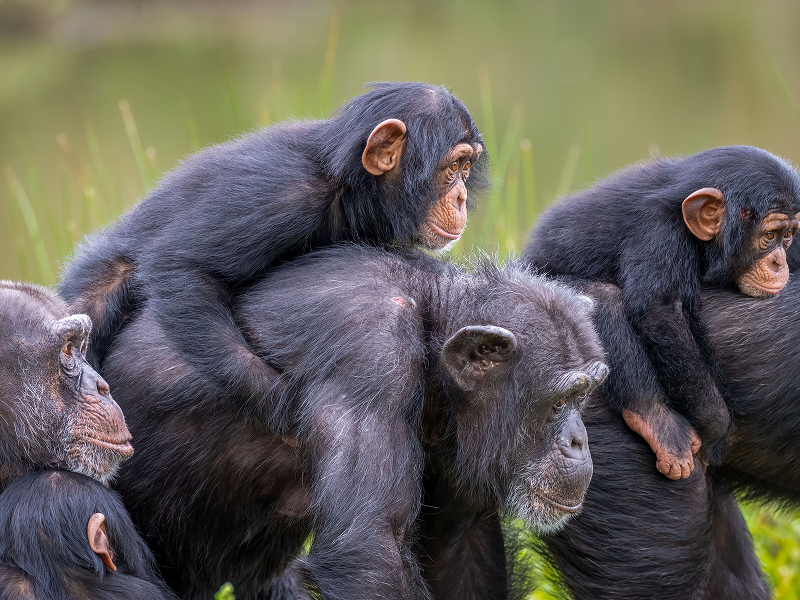
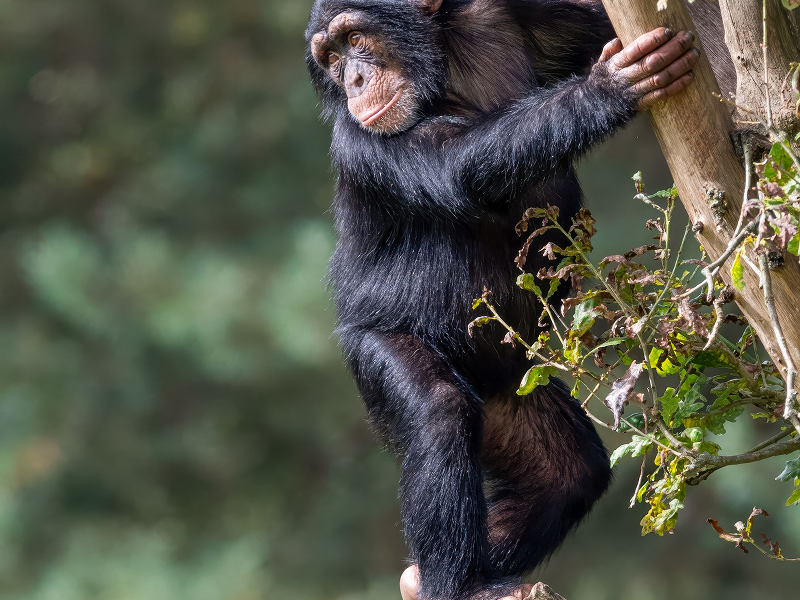
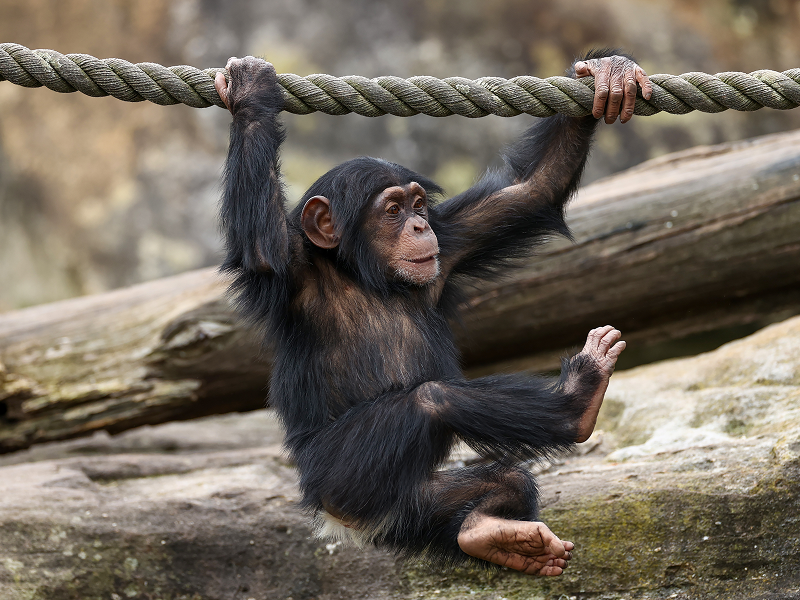
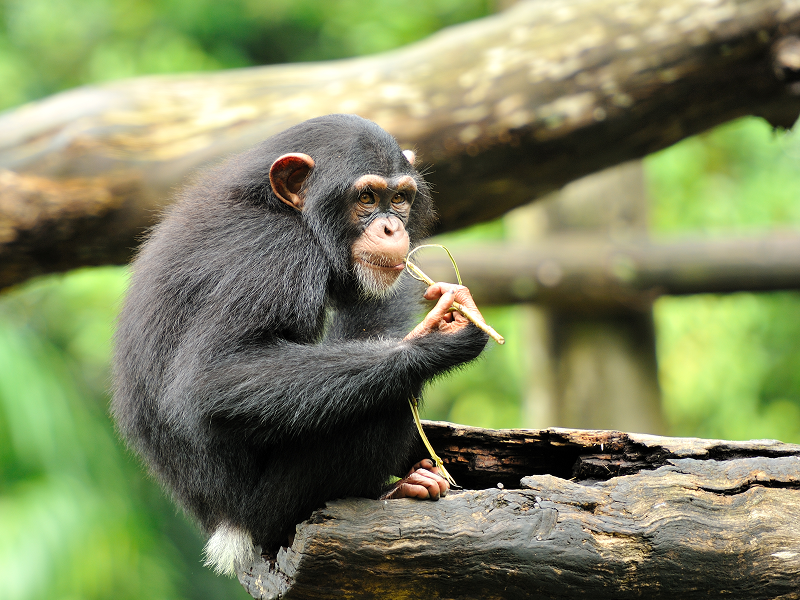
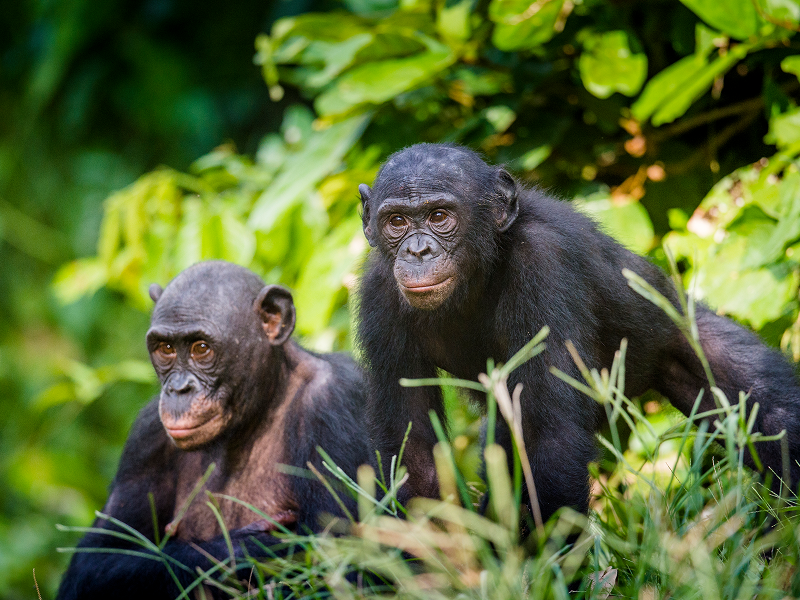
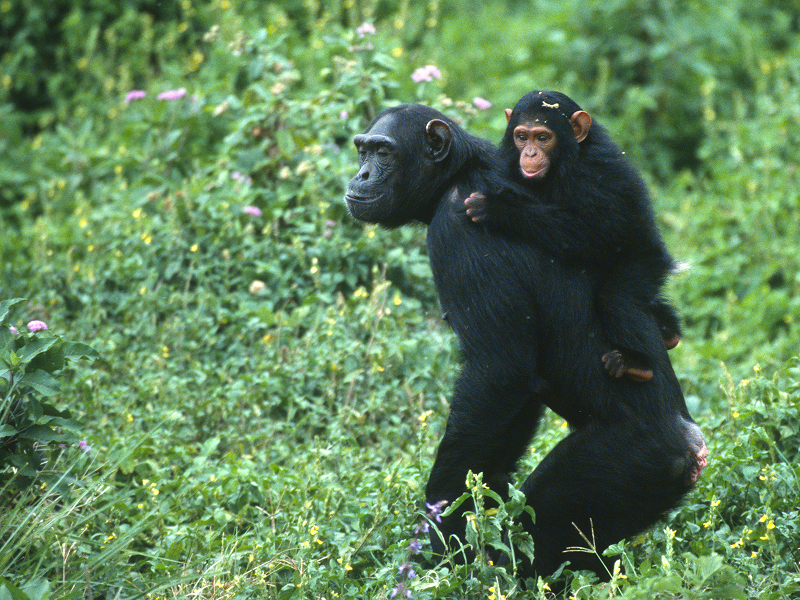
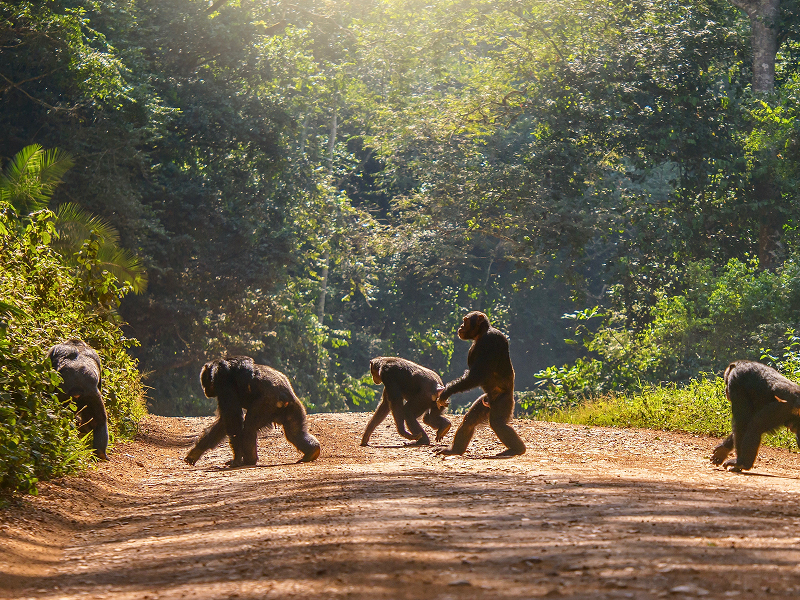
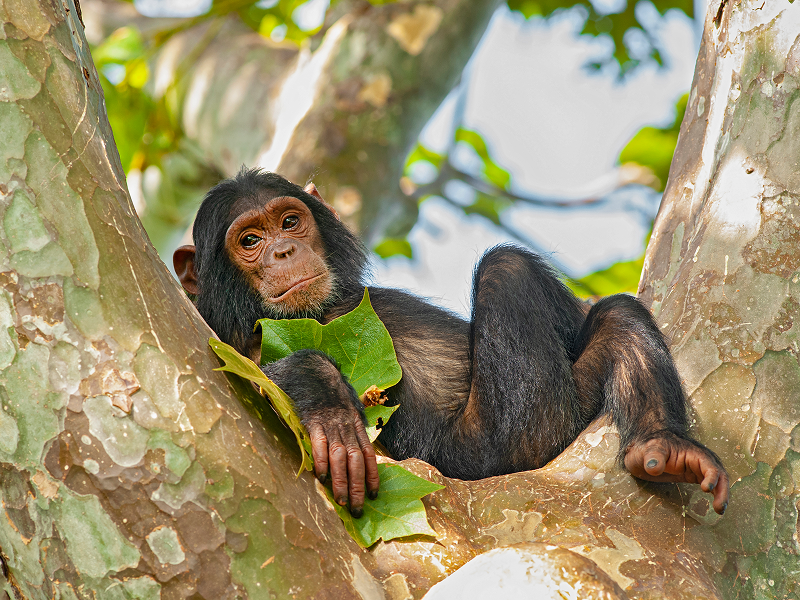
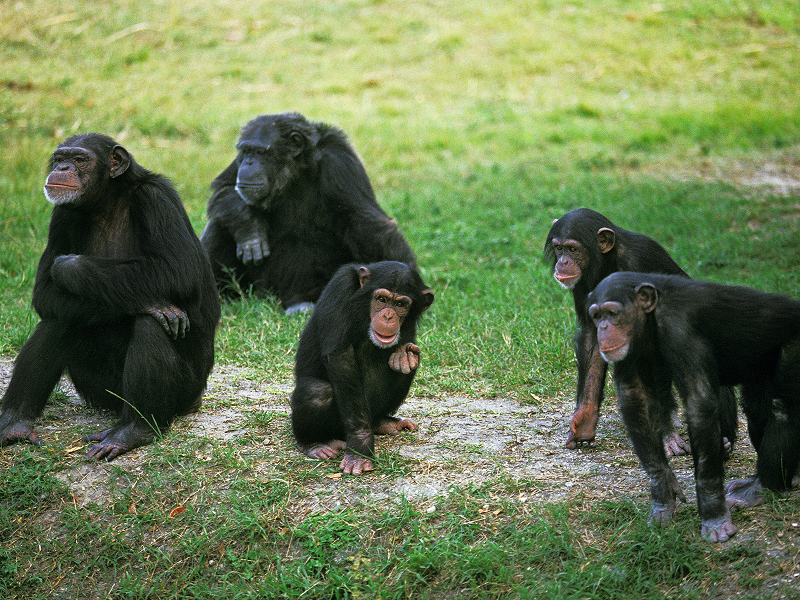
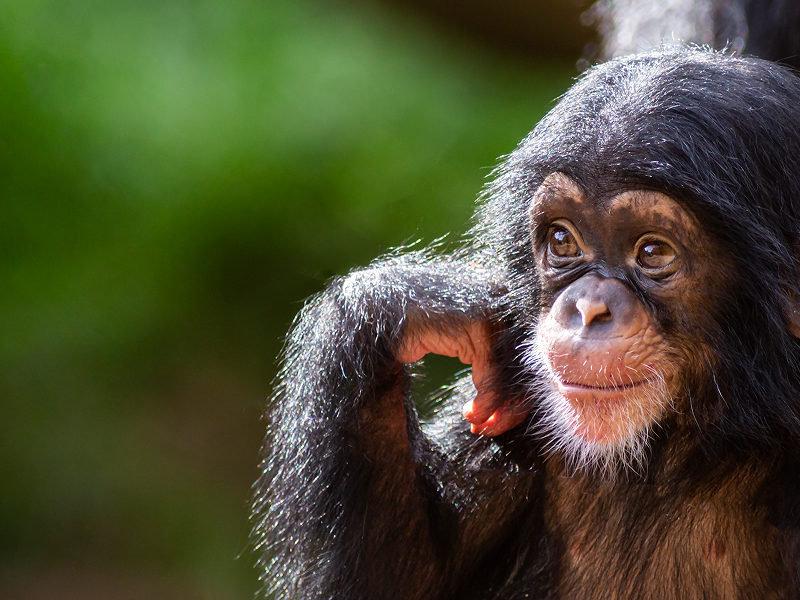
In the southwest lies Nyungwe Forest National Park, one of Africa’s oldest rainforests. This biodiversity hotspot is home to chimpanzees, colobus monkeys, and hundreds of bird species. Visitors can enjoy canopy walks suspended high above the forest, guided nature walks, and primate tracking.
To the east, Akagera National Park offers a classic savannah safari experience. With open plains, lakes, and wetlands, the park is home to the Big Five lion, leopard, elephant, buffalo, and rhino making Rwanda a complete safari destination.
Along the western border, Lake Kivu provides a tranquil escape with sandy beaches, fishing villages, and scenic lakeside towns. It’s the perfect place to relax after gorilla trekking.
Wildlife and Safari Experiences
Rwanda is best known for its gorilla trekking experiences, which are among the most exclusive in the world. Permits are limited, ensuring intimate and sustainable encounters with gorilla families in their natural habitat.
In addition to gorillas, Rwanda offers:
- Chimpanzee tracking in Nyungwe Forest
- Big Five safaris in Akagera National Park
- Birdwatching with over 700 species recorded
- Golden monkey tracking in Volcanoes National Park
What makes Rwanda unique is the combination of luxury and conservation, with high-end lodges and strong environmental protection efforts working hand in hand.
The People of Rwanda: Culture and Identity
Rwanda’s people are at the heart of its story. The population is primarily made up of three groups namely : Hutu, Tutsi, and Twa but today, Rwanda emphasizes a unified national identity rather than ethnic divisions.
Rwandans are known for their warm hospitality, resilience, and strong sense of community. The country has undergone an incredible transformation and is now one of Africa’s safest and most progressive nations.
Culture in Rwanda is expressed through traditional dance, music, art, and storytelling. The famous Intore dancers perform energetic routines that reflect Rwanda’s royal heritage, while local crafts such as basket weaving (Agaseke) are both beautiful and symbolic.
Visitors can engage in cultural experiences through village visits, community projects, and cultural centers, gaining insight into everyday life and traditions.
Cities and Tourism Hubs
Rwanda’s cities are clean, organized, and culturally rich, offering a seamless travel experience:
- Kigali – One of Africa’s cleanest and safest cities, Kigali is a modern hub with art galleries, restaurants, and important historical sites such as the Kigali Genocide Memorial.
- Gisenyi – A lakeside town on Lake Kivu, known for its beaches and relaxed atmosphere.
- Musanze – The gateway to Volcanoes National Park and gorilla trekking experiences.
- Huye – A cultural and academic center with museums and historical significance.
Best Time to Travel & Seasons in Rwanda
Rwanda’s climate is mild year-round due to its elevation, but its seasons influence travel experiences:
☀️ Dry Seasons (June to September & December to February) – Best Time to Visit
- Ideal for gorilla trekking and chimpanzee tracking
- Trails are drier and easier to navigate
- Best wildlife viewing conditions
- Peak season with higher demand for permits and lodges
🌿 Long Rainy Season (March to May) – Green Season
- Lush, vibrant landscapes and dramatic scenery
- Fewer tourists and better rates
- More challenging trekking conditions due to muddy trails
🌦️ Short Rainy Season (October to November)
- Short, lighter rains
- Good for photography and birdwatching
- Balanced option between cost and experience
Why Rwanda?
Rwanda offers a rare combination of luxury, exclusivity, and authenticity. It is a destination where travelers can trek through misty forests to meet gorillas, explore ancient rainforests, enjoy classic safaris, and connect with a culture that is both proud and inspiring.
For those seeking a refined yet deeply meaningful African journey, Rwanda delivers an experience that is intimate, powerful, and unforgettable.
Rwanda Today
Modern Rwanda is a remarkable success story. Over the past decades, the country has transformed into one of Africa’s most stable, safe, and forward-thinking nations.
Kigali stands as a symbol of this progress, with clean streets, innovative urban planning, and a growing reputation as a conference and business hub. Rwanda is also a leader in sustainability and conservation, with strict environmental policies such as bans on plastic bags and strong protection of wildlife.
Tourism plays a vital role in Rwanda’s economy, particularly through high-end eco-tourism experiences like gorilla trekking. Revenue from tourism directly supports conservation efforts and local communities, making travel here both meaningful and impactful.
Language
- Kinyarwanda – the national language, spoken by virtually everyone.
- English – official language, widely used in tourism, business, and government.
- French – also official, though less commonly used since 2008.
- Swahili – official language, used mainly in trade and border areas.
Currency
- Rwandan Franc (RWF) – the local currency.
- US dollars are widely accepted in hotels, lodges, and for major tours or park fees. Smaller purchases, markets, and tips are usually paid in RWF.
For visitors from the US and Canada, it’s convenient to use USD for large transactions but carry some Rwandan Francs for day-to-day expenses like souvenirs, taxis, or tips.