
Kenya
Kenya is a land where the soul of Africa beats strongest.
A country of extraordinary contrasts, untouched wilderness, vibrant cultures, and timeless beauty. From the moment you arrive, Kenya invites you into a world where nature feels larger than life, where every horizon tells a story, and where adventure flows as freely as the wind over the savanna.
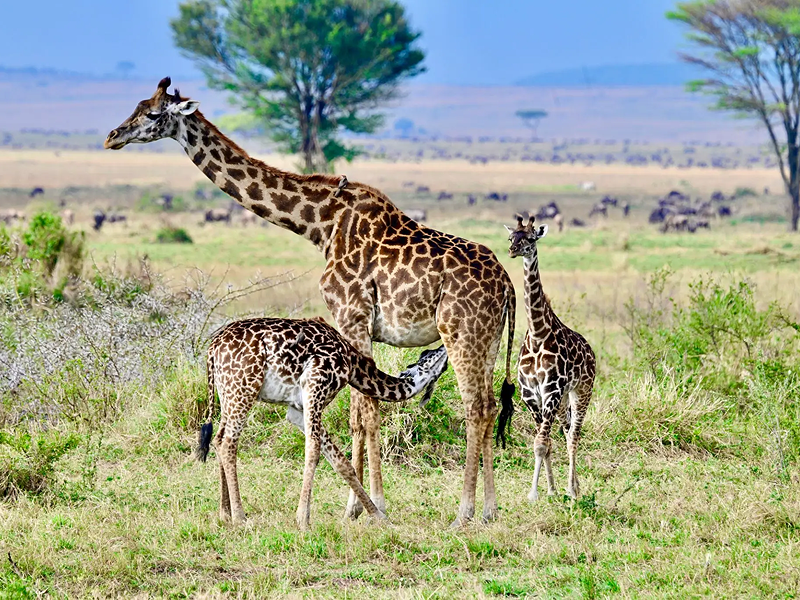
Did you know? Nairobi is the only city in the world with a national park on its doorstep. Nairobi National Park lies just minutes from the city center, offering a truly unique safari experience where wildlife roams against a backdrop of urban skyscrapers. Here, visitors can see lions, rhinos, giraffes, zebras, buffalo, and a wide variety of birdlife ,making it an ideal introduction to Kenya’s wildlife, even on a short stay.
Kenya’s geography is as diverse as it is breathtaking. The world-famous and legendary Maasai Mara National Reserve is the crown jewel of Kenya’s safari experience, known for its endless plains and abundant wildlife.
This is where the dramatic Great Migration takes place millions of wildebeest, zebras, and gazelles crossing from Tanzania in search of greener pastures, followed closely by predators such as lions and crocodiles. To the north lies the rugged beauty of Samburu National Reserve, home to rare species like the Grevy’s zebra, reticulated giraffe, and Somali ostrich. In central Kenya, the foothills of Mount Kenya Africa’s second-highest peak offer scenic trekking, lush forests, and alpine landscapes.
The Great Rift Valley cuts dramatically through the country, dotted with lakes such as Lake Nakuru and Lake Naivasha, famous for flamingos, birdlife, and rhino sanctuaries. Along the coast, Kenya reveals a completely different side white sandy beaches, turquoise waters, and Swahili culture in towns like Mombasa, Diani Beach, and Lamu, where centuries-old architecture and traditions reflect Arab, African, and European influences.
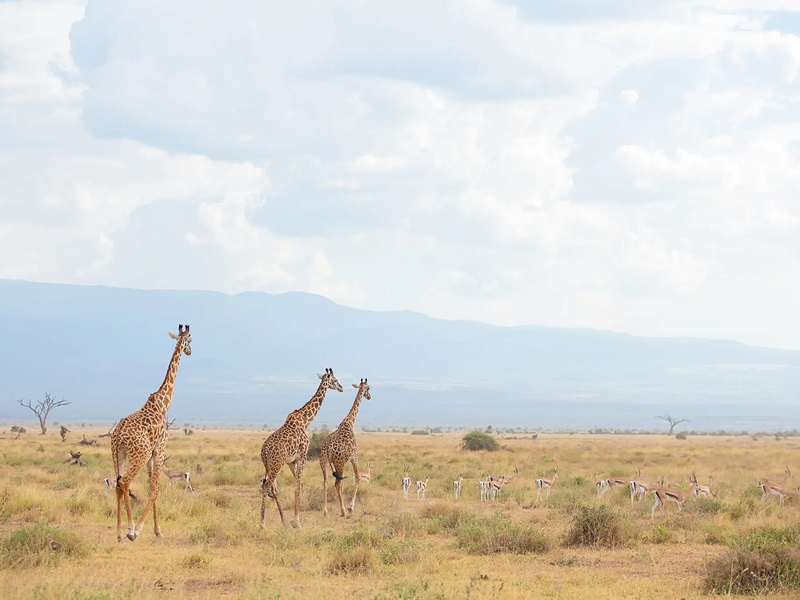
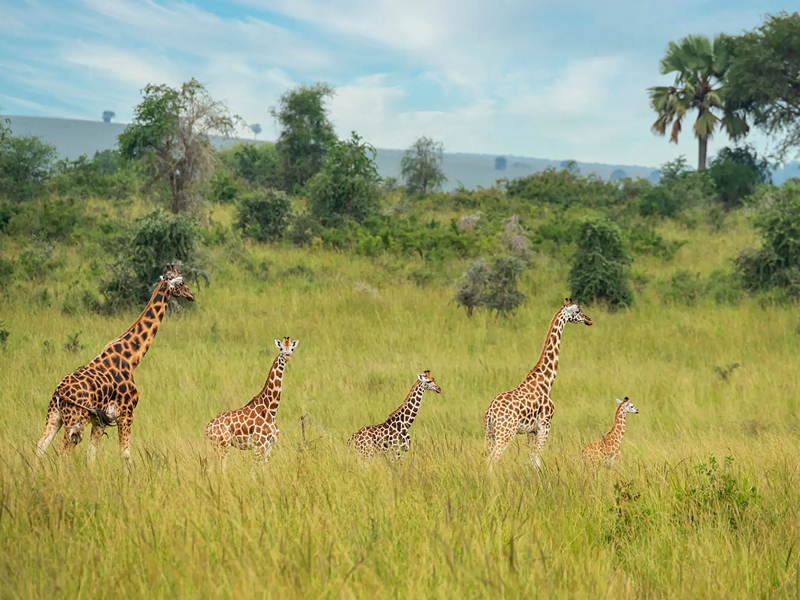
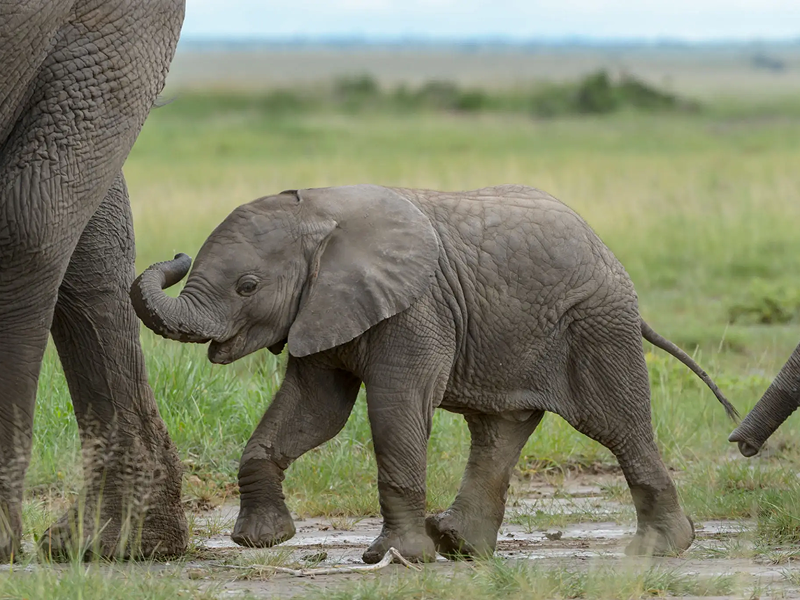
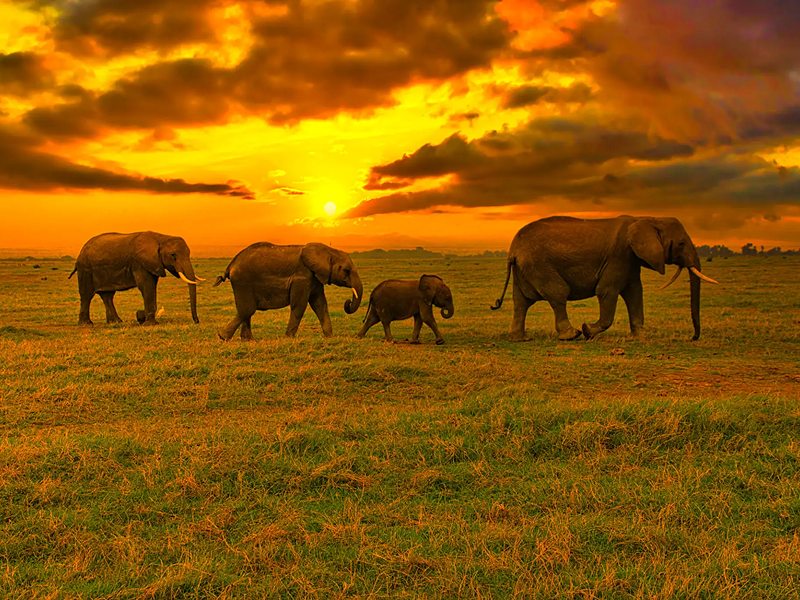
Wildlife and Safari Experiences
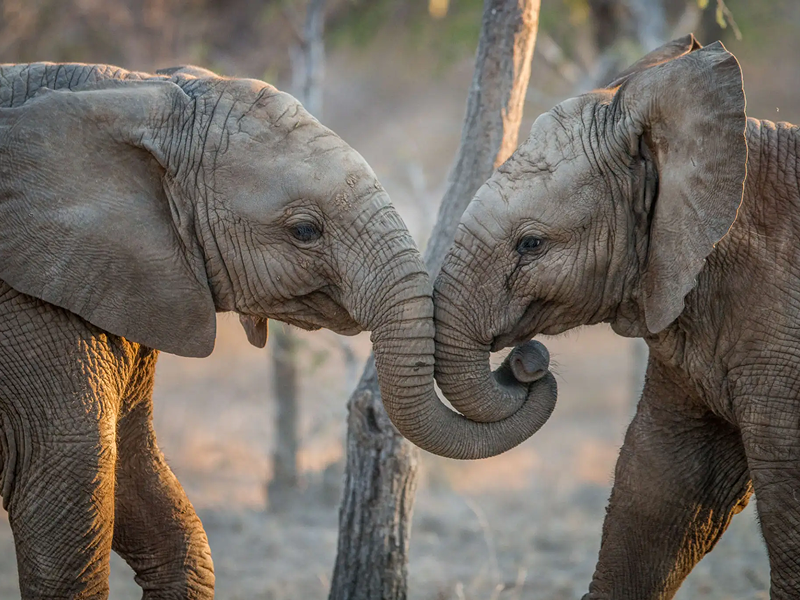
Kenya is synonymous with safari. It is one of the best places in the world to see the Big Five—lion, elephant, leopard, buffalo, and rhino—in their natural habitat. National parks and reserves such as Maasai Mara, Amboseli, Tsavo, and Samburu provide exceptional game viewing year-round.
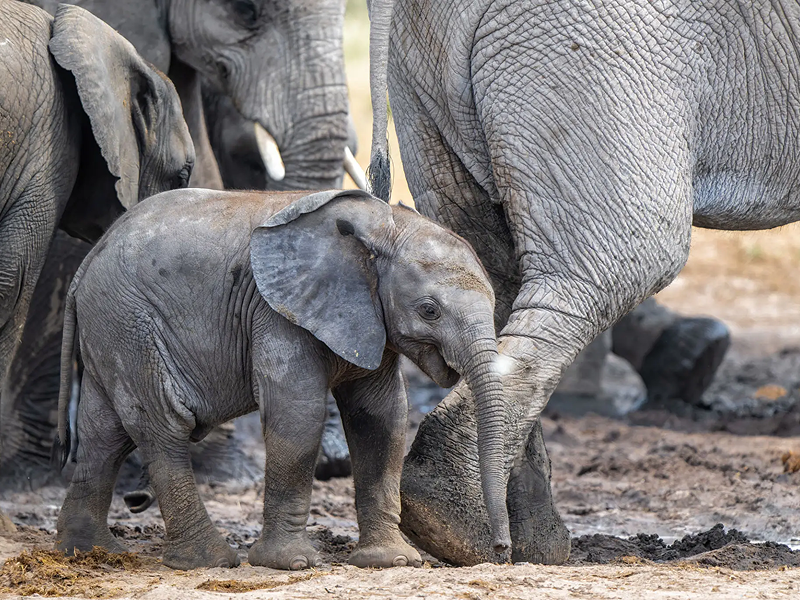
Amboseli National Park is famous for its large elephant herds set against the backdrop of Mount Kilimanjaro, while Tsavo National Park—one of the largest in Africa—offers a wilder, more remote safari experience.
Hot air balloon safaris, walking safaris, and cultural village visits enhance the experience, making Kenya not just about viewing wildlife, but truly connecting with the land.
Further south, Amboseli National Park is one of Kenya’s most iconic safari destinations. Known for its large elephant herds and breathtaking views of Mount Kilimanjaro, Amboseli offers incredible photographic opportunities, especially at sunrise and sunset when the mountain reveals itself above the clouds.
In central Kenya, the Laikipia Plateau is a hidden gem, offering exclusive, conservation-driven safari experiences. This region is home to private conservancies where visitors can enjoy walking safaris, horseback riding, and night game drives experiences not always permitted in national parks. Within Laikipia lies Ol Pejeta Conservancy, a leading conservation area known for protecting endangered species, including the last remaining northern white rhinos. It also offers close encounters with chimpanzees and some of the highest densities of wildlife in Kenya.
The slopes of Mount Kenya provide a completely different safari setting. Forest reserves and national parks surrounding the mountain are home to elephants, buffalo, monkeys, and unique bird species, offering a quieter and more scenic wildlife experience combined with trekking and nature walks.
The People of Kenya: Culture and Traditions
Kenya is home to over 40 ethnic groups, each with its own language, customs, and traditions. This diversity creates a rich cultural tapestry that is one of the country’s greatest treasures.
The Maasai are perhaps the most well-known, recognized for their distinctive red attire, beadwork, and semi-nomadic lifestyle. Visitors often have the opportunity to visit Maasai villages, learning about their traditions, dances, and deep connection to cattle and land. Other important groups include the Kikuyu, Luo, Luhya, Kalenjin, and Samburu, each contributing unique music, cuisine, ceremonies, and ways of life. Coastal communities reflect strong Swahili and Islamic influences, blending African, Arab, and Persian heritage.
Kenyan culture is deeply rooted in community, storytelling, music, and dance, with traditions passed down through generations. Visitors are often welcomed warmly and invited to experience local life, making cultural interaction a highlight of any journey.
Cities and Cultural Hubs
Kenya’s cities offer a vibrant mix of modern life and cultural heritage:
- Nairobi – A dynamic capital known for its unique combination of urban energy and nearby wildlife experiences, including Nairobi National Park.
- Mombasa – A historic coastal city with Swahili architecture, markets, and beaches.
- Lamu – A UNESCO-listed island steeped in Swahili culture, where time seems to stand still.
Best Time to Travel & Seasons in Kenya
Kenya is a year-round destination, but understanding its seasons helps travelers plan the perfect experience:
☀️ Dry Season (June to October) – Peak Safari Season
This is the best time for wildlife viewing. Vegetation is sparse, animals gather around water sources, and the Great Migration occurs in the Maasai Mara
Ideal for safaris and photography
- Cooler temperatures, especially in the mornings and evenings
- High demand and premium pricing
🌦️ Short Rains (November to December)
Brief afternoon showers bring fresh greenery and fewer crowds.
- Excellent for birdwatching and photography
- Lush landscapes
- Good value travel period
🌿 Green Season / Long Rains (March to May)
This is the rainiest period, with heavier and more consistent rainfall.
- Fewer tourists and lower prices
- Dramatic skies and vibrant scenery
- Some lodges may close, and road conditions can be challenging
🌸 Shoulder Season (January to February)
A hidden gem period between rains.
- Warm and dry conditions
- Excellent wildlife viewing
- Great time for calving season in some areas, attracting predators
Why Kenya?
Kenya offers a complete African journey combining iconic safaris, rich cultures, stunning landscapes, and coastal relaxation. Whether witnessing the Great Migration, connecting with local communities, or unwinding on the Indian Ocean shores, Kenya delivers an experience that is both powerful and deeply personal.
Kenya Today
Today, Kenya stands as one of Africa’s leading and most established safari destinations, offering a seamless blend of world-class tourism, modern infrastructure, and authentic cultural experiences. The country has long been at the forefront of African travel, with decades of expertise in delivering exceptional safari experiences to travelers from around the world.
The capital, Nairobi, is a dynamic and cosmopolitan hub often referred to as the “safari capital of the world.” It offers international-standard hotels, fine dining, cultural attractions, and unique experiences such as visiting Nairobi National Park, where wildlife roams just minutes from the city center.
Kenya today boasts a well-developed tourism infrastructure, including luxury lodges, boutique camps, private conservancies, and reliable domestic flight networks that make traveling between destinations smooth and efficient. Regions such as the Maasai Mara and Laikipia are leaders in conservation-driven tourism, where wildlife protection and community involvement go hand in hand.
Sustainability is a key focus, with many lodges operating on eco-friendly principles and supporting local communities through education, employment, and conservation initiatives. Travelers today can enjoy not only extraordinary wildlife encounters but also meaningful cultural interactions that directly benefit the people of Kenya.
The country remains politically stable and welcoming, with a long-standing reputation for hospitality. English and Swahili are widely spoken, making communication easy for international visitors.
Kenya today offers a perfect balance of adventure, luxury, and authenticity a destination where timeless safari experiences meet modern comfort and responsible travel.
Language
Kenya has two official languages: English and Swahili. English is widely spoken throughout the tourism industry, hotels, safari lodges, airports, and cities, making travel very easy for visitors from the United States and Canada. Swahili is the national language and is commonly spoken across the country.
Currency
The local currency is the Kenyan Shilling (KES). Major hotels, lodges, and safari operators widely accept U.S. dollars and credit cards, especially in tourism areas.
ATMs are available in major cities such as Nairobi , Mombasa, Kisumu, Eldoret, Nakuru, Naivasha etc