Israel
Where History, Faith, and Culture Meet
Israel is a destination unlike any other, where ancient history, spiritual heritage, and modern culture converge in a small but incredibly diverse land. For thousands of years, Israel has been a crossroads of civilizations and religions, making it one of the most historically and culturally significant places on Earth.
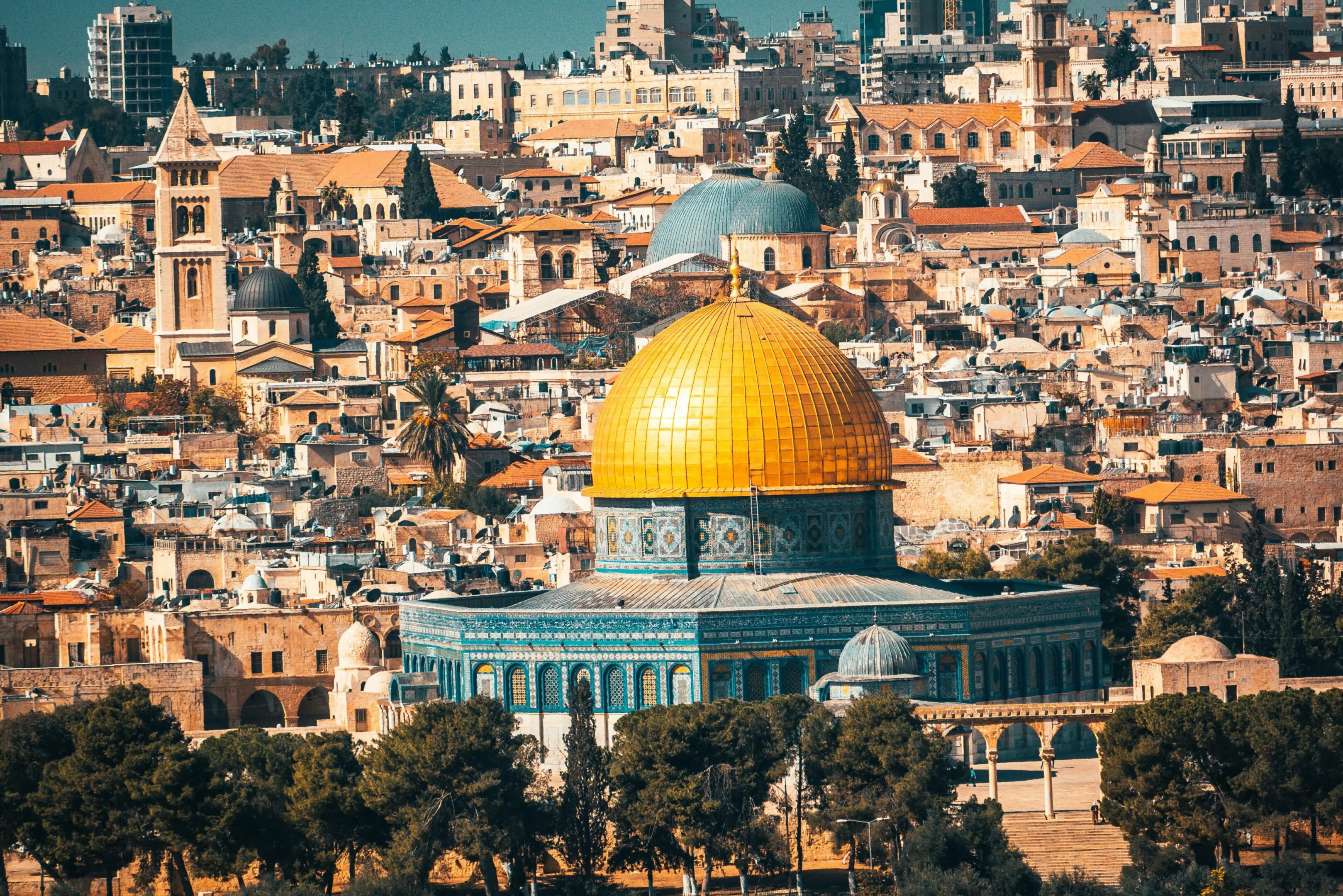
The city of Jerusalem lies at the heart of the country’s spiritual identity. Sacred to Judaism, Christianity, and Islam, Jerusalem is home to some of the world’s most revered religious sites, including the Western Wall, the Church of the Holy Sepulchre, and the Dome of the Rock.
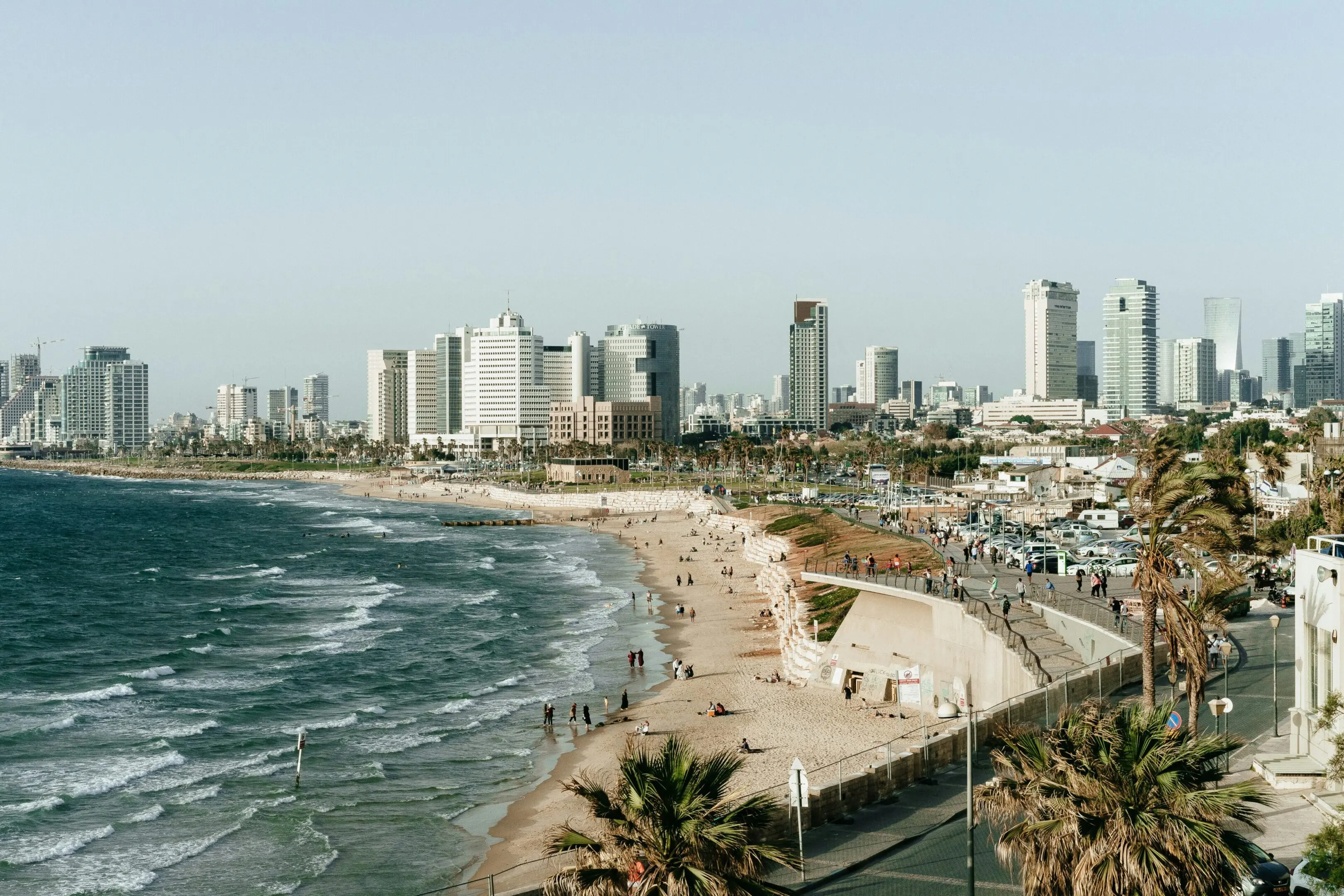
Along the Mediterranean coast, the vibrant city of Tel Aviv offers a completely different atmosphere. Known for its modern architecture, lively nightlife, art scene, and beautiful beaches, Tel Aviv is one of the most dynamic cities in the Middle East.
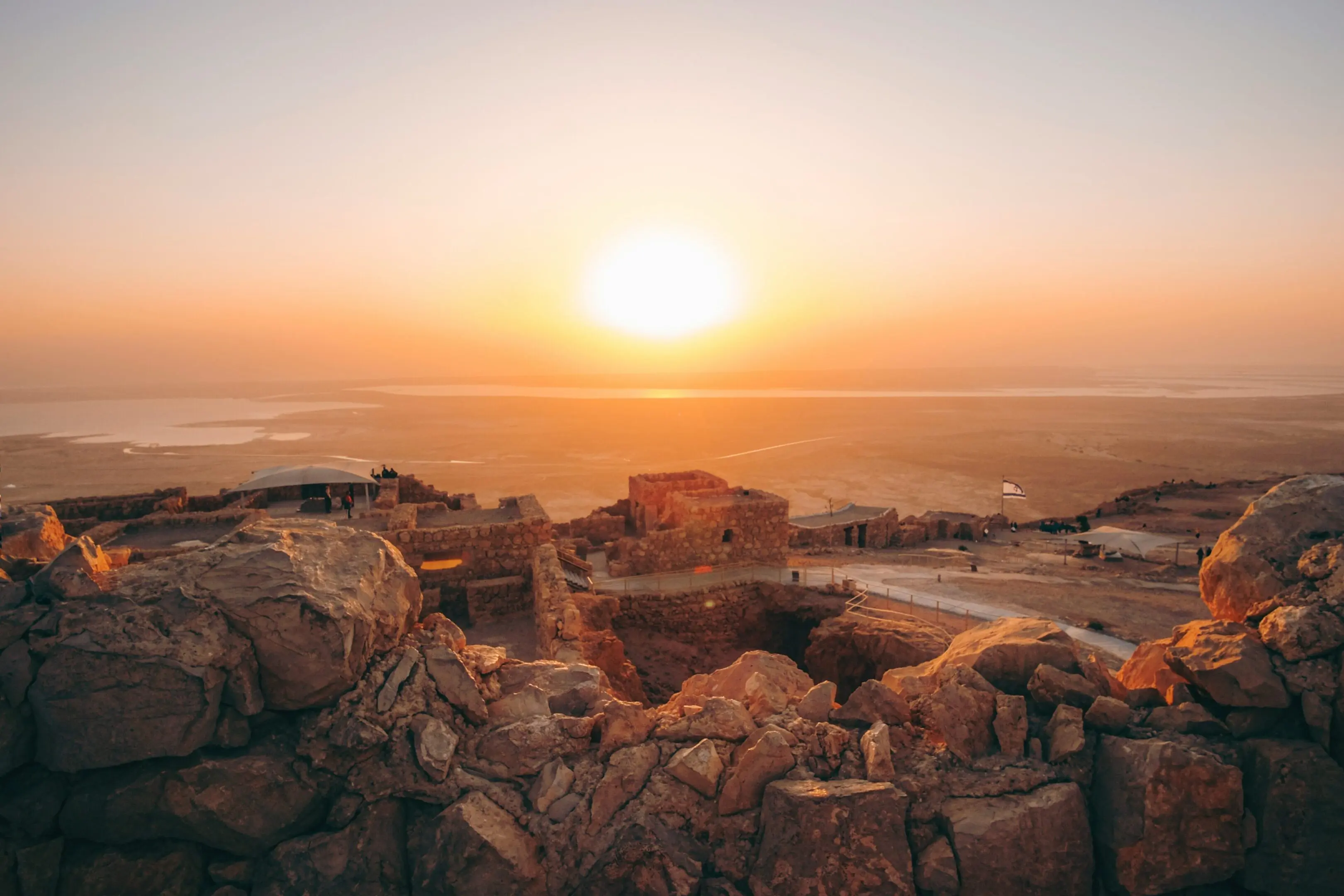
In the northern region of the country, the historic city of Nazareth is closely associated with the life of Jesus and attracts pilgrims from around the world. Nature lovers can explore the serene landscapes of the Sea of Galilee, the dramatic desert scenery of the Negev, or float effortlessly in the mineral-rich waters of the Dead Sea, the lowest point on Earth.
Israel offers travelers a deeply meaningful journey through history, spirituality, culture, and natural beauty.
The people of Israel represent one of the most diverse populations in the world. Because of its long history and its role as a crossroads between Africa, Asia, and Europe, Israel is home to a unique mixture of cultures, religions, and ethnic communities. Today, the country has a population of around 9–10 million people, and its society reflects centuries of migration, tradition, and cultural exchange.
Tourism Highlights
Historic & Religious Sites
- Jerusalem – Western Wall, Church of the Holy Sepulchre, Dome of the Rock, and the Old City
- Bethlehem – Birthplace of Jesus, Manger Square, and cultural tours
- Nazareth – Basilica of the Annunciation, historical sites
- Haifa – Baháʼí Gardens, Mediterranean coast, and vibrant cultural scene
Natural Wonders & Adventure
- Dead Sea – Floating experiences, mud baths, wellness retreats
- Sea of Galilee – Hiking, historic sites, and boat tours
- Negev Desert – Camel treks, jeep tours, stargazing, and desert lodges
- Tel Aviv – Modern urban life, nightlife, beaches, and culinary experiences
Culture & People
Israel is home to a diverse population including Jews, Arabs, Druze, and Bedouin communities. The country celebrates a rich mix of traditions, religions, music, arts, and cuisine, offering travelers a deep cultural immersion at markets, festivals, and historic sites.
Ethnic and Cultural Groups
The population of Israel is primarily made up of Jewish and Arab communities, alongside several smaller minority groups. Each contributes its own traditions, languages, and cultural practices.
Jewish Israelis make up roughly three-quarters of the population. They come from many different parts of the world and bring diverse cultural backgrounds with them. Major Jewish cultural groups include:
- Ashkenazi Jews – Descendants of Jewish communities from Europe.
- Sephardi Jews – Originally from Spain and Portugal but later settled across North Africa and the Middle East.
- Mizrahi Jews – Jews whose families lived for centuries in Middle Eastern and North African countries.
- Ethiopian Jews – A community that immigrated mainly in the late 20th century, preserving unique religious and cultural traditions.
Arab Israelis make up about 20% of the population. This group includes Muslim Arabs, Christian Arabs, and smaller communities with distinct identities.
Among the most notable minority communities are:
- Druze – A unique religious and cultural group primarily living in northern Israel.
- Bedouins – Traditionally nomadic desert tribes living mainly in the Negev region.
- Circassians – A small ethnic group originally from the Caucasus with their own language and traditions.
Language and Communication
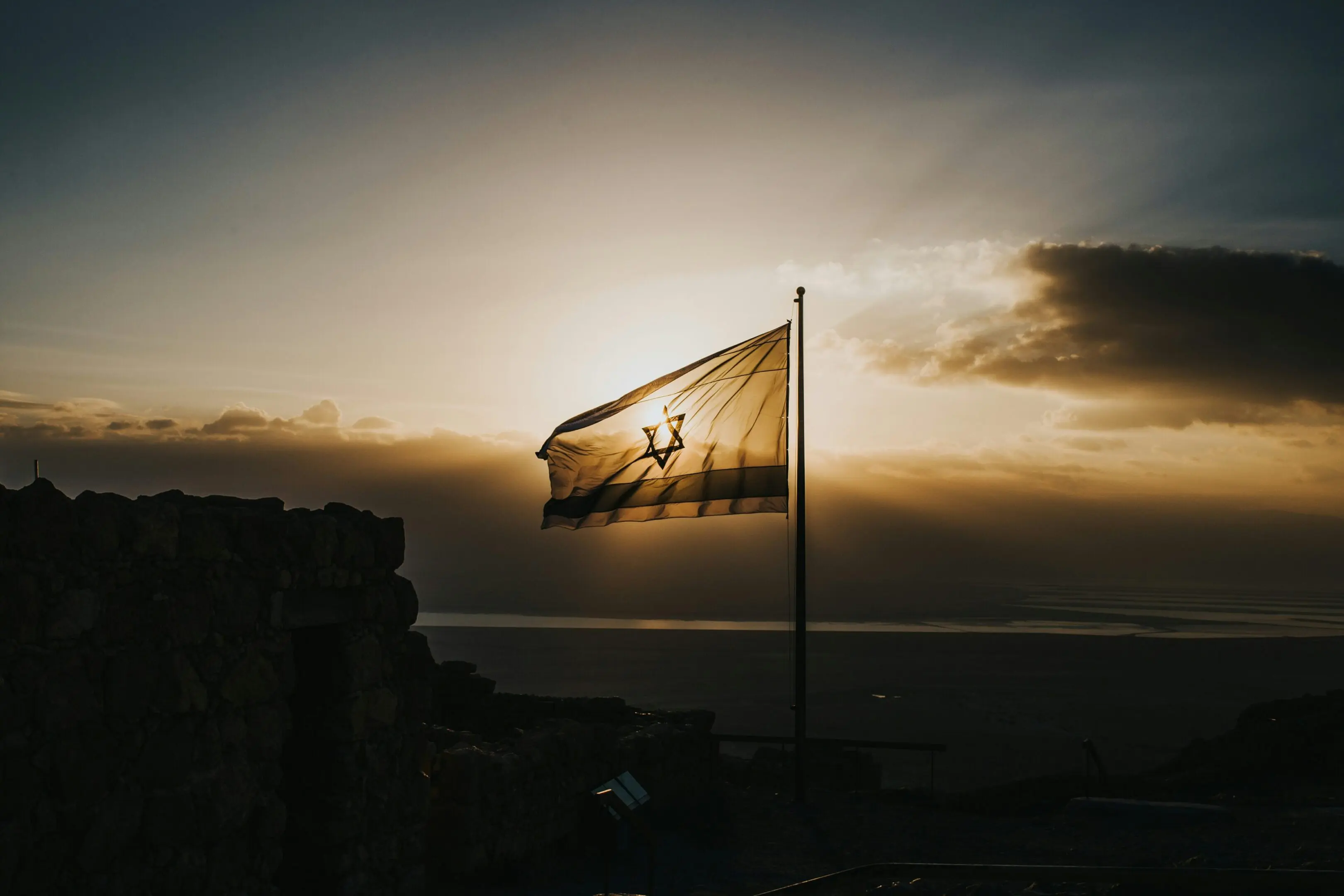
Israel is a multilingual society. The official language is Hebrew, which was revived as a modern spoken language in the 20th century. Arabic is also widely spoken, particularly among Arab communities.
English is commonly used in business, tourism, and education, making communication relatively easy for international visitors.
Religion and Cultural Life
Religion plays an important role in Israeli society. The main religions practiced are Judaism, Islam, and Christianity, with smaller communities practicing Druze and other faiths.
Religious traditions shape many aspects of daily life. Jewish holidays such as Passover, Hanukkah, and Yom Kippur are celebrated throughout the country, while Muslim communities observe Ramadan and Eid festivals. Christian traditions are especially visible in historic cities like Jerusalem and Nazareth.
Lifestyle and Society
Israeli society blends ancient traditions with a modern, innovative lifestyle. Cities such as Tel Aviv are known for their cosmopolitan culture, beaches, technology industry, and vibrant nightlife, while other areas maintain strong religious and cultural traditions.
Family life is central to Israeli culture, and communities often maintain close ties. Meals, celebrations, and festivals are important occasions where people gather to share food, music, and stories.
Hospitality and Community
Despite the country’s diversity, Israelis are often known for their directness, warmth, and strong sense of community. Visitors frequently experience hospitality through shared meals, lively markets, and cultural festivals that reflect the country’s rich heritage.
From floating in the mineral-rich waters of the Dead Sea to wandering through ancient alleys in Jerusalem or enjoying the Mediterranean lifestyle in Tel Aviv, Israel captivates travelers with its blend of history, spirituality, and living culture.
Best Time to Travel & What to See
Israel has a Mediterranean climate, with hot summers and mild winters, making seasonal planning important:
Spring (March to May)
- Where to Go: Jerusalem, Tel Aviv, Dead Sea, Galilee
- What to See:
- Blooming landscapes and gardens
- Comfortable temperatures for city tours, hiking, and desert treks
- Easter and Passover celebrations provide cultural and religious immersion
- Best For: Sightseeing, cultural tours, outdoor adventures
Summer (June to August)
- Where to Go: Coastal cities, Negev Desert, Sea of Galilee
- What to See:
- Beaches in Tel Aviv and Haifa for sunbathing and water sports
- Negev Desert adventures with early morning/late afternoon excursions to avoid midday heat
- Festivals, concerts, and vibrant nightlife in urban centers
- Best For: Beach holidays, cultural festivals, desert camping
Autumn (September to November)
- Where to Go: Jerusalem, Dead Sea, Galilee, Tel Aviv
- What to See:
- Mild weather ideal for city tours, hiking, and religious sightseeing
- Jewish New Year and Yom Kippur celebrations offer unique cultural experiences
- Hiking in northern regions and Negev Desert is comfortable
- Best For: Cultural exploration, historic tours, and moderate outdoor adventures
Winter (December to February)
- Where to Go: Jerusalem, Dead Sea, Tel Aviv, Eilat
- What to See:
- Mild temperatures along the coast; cooler in Jerusalem and northern regions
- Dead Sea is pleasant for spa and wellness experiences
- Skiing possible on Mount Hermon in the north
- Best For: Winter wellness, cultural visits, and desert exploration
Language
- Official Languages: Hebrew and Arabic
- Widely Spoken: English is commonly used in tourism, hotels, and urban areas
- Local languages and dialects vary, offering authentic cultural engagement
Currency
- Israeli Shekel (ILS)
- Credit cards widely accepted in hotels, restaurants, and urban centers
- Cash recommended for small markets, local vendors, and some desert excursions
- U.S. dollars and Euros can be exchanged at banks or authorized exchange offices