
Egypt
The Cradle of Ancient Civilization
Egypt is one of the most iconic travel destinations in the world, a land where ancient history, monumental architecture, and vibrant culture combine to create an unforgettable journey through time. With a history stretching back more than 5,000 years, Egypt offers some of the most remarkable archaeological treasures on Earth.
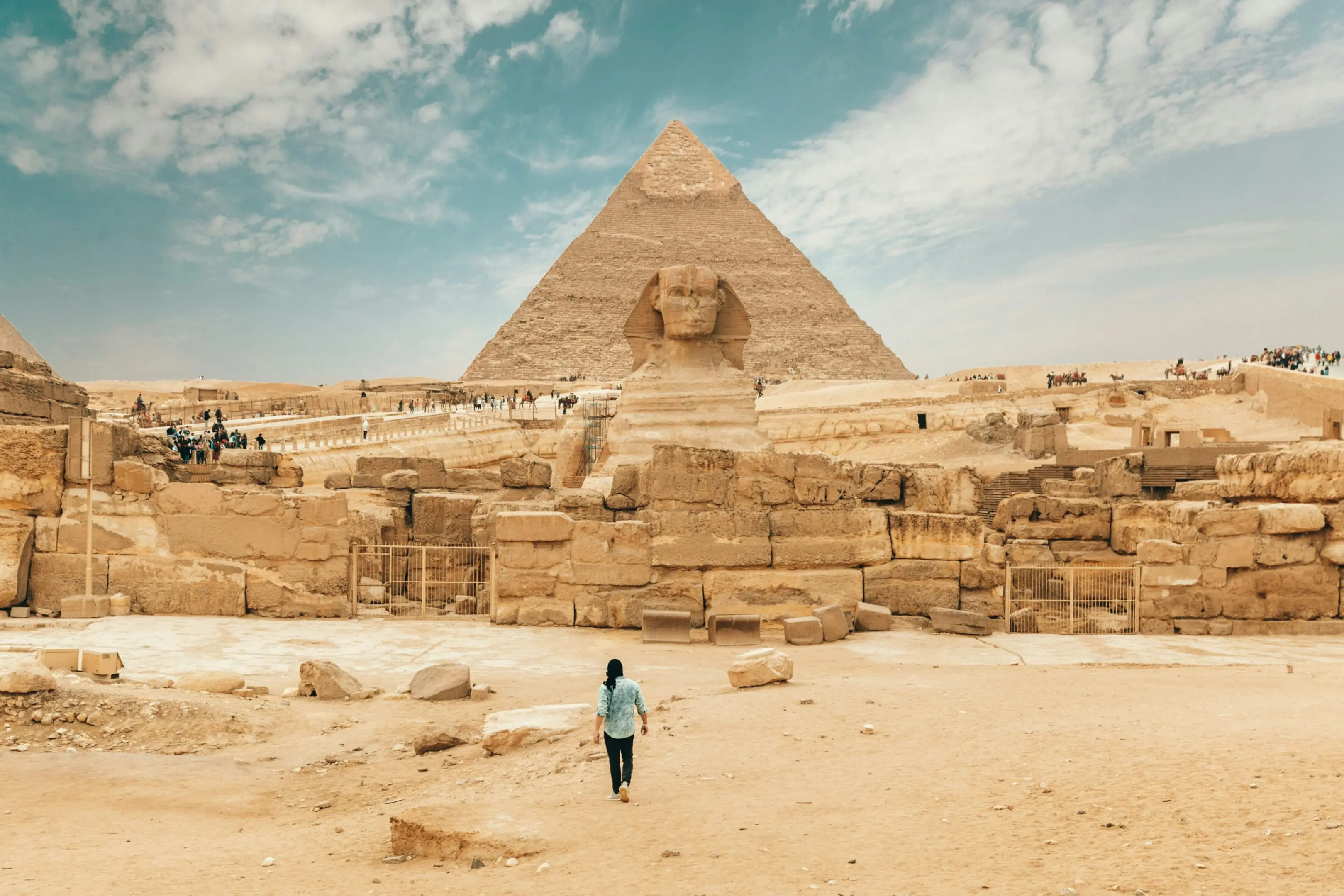
Most journeys begin in the bustling capital of Cairo, home to the legendary Great Pyramid of Giza and the mysterious Sphinx. These ancient wonders stand as the last surviving structures of the Seven Wonders of the Ancient World and remain among the most awe-inspiring landmarks ever built by humanity. Cairo also features the Egyptian Museum, vibrant markets, and historic mosques that reflect the city’s rich cultural heritage.
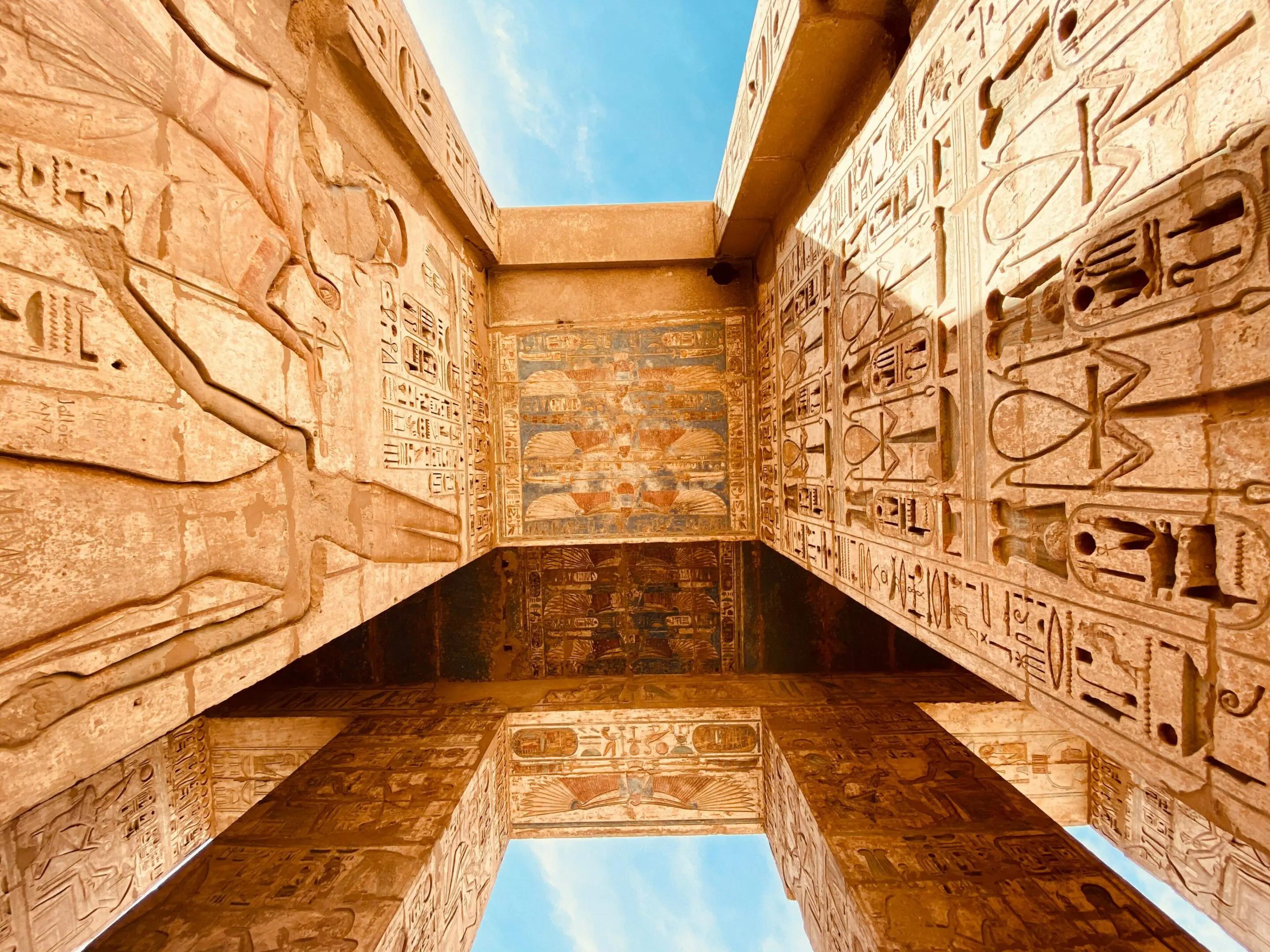
Travelers then often journey south along the legendary Nile River, the lifeline of Egyptian civilization. A Nile cruise reveals some of the country’s most extraordinary monuments, including the magnificent temples of Karnak and Luxor in Luxor and the Valley of the Kings, where the tombs of ancient pharaohs—including that of Tutankhamun—were discovered.
Further south, the tranquil city of Aswan offers beautiful river scenery, colorful Nubian culture, and access to the spectacular temples of Abu Simbel.
Egypt is not only about ancient history. Along the Red Sea coast, resort towns such as Sharm El Sheikh and Hurghada offer world-class diving, coral reefs, and beautiful beaches.
Egypt remains one of the world’s most fascinating destinations, where ancient wonders, vibrant cities, and timeless landscapes tell the story of one of humanity’s greatest civilizations.
Egypt is a land where history, culture, and everyday life intersect. Beyond its ancient monuments, pyramids, and the mighty Nile River, the true soul of Egypt is reflected in its people—a population shaped by thousands of years of civilization, trade, conquest, and cultural exchange.
Tourism Highlights
Historic & Archaeological Sites
- Pyramids of Giza and the Sphinx – The world-famous symbols of ancient Egypt
- Luxor – Home to the Valley of the Kings, Karnak Temple, and Luxor Temple
- Aswan – Known for Philae Temple, the Nile River, and Nubian culture
- Alexandria – Mediterranean charm, historic libraries, and ancient Roman sites
Natural Wonders & Adventure
- Nile River – Luxury Nile cruises, riverfront sightseeing, and cultural immersion
- Red Sea Coast – Scuba diving, snorkeling, and water sports in Hurghada and Sharm El Sheikh
- White Desert – Unique rock formations, desert camping, and photography
Culture & People
Egyptians are warm, hospitable, and deeply proud of their heritage. Arabic is the official language, and Islamic and Coptic Christian traditions shape daily life, festivals, music, and cuisine. Markets, street food, and traditional crafts provide rich cultural immersion.
Ethnic Groups and Diversity
Egypt’s population of over 110 million is predominantly Arab, but includes significant groups of Copts (Egyptian Christians), Nubians, Bedouins, and other minorities. Each community contributes to the country’s cultural richness:
Copts
The largest Christian group in the Middle East, concentrated in Upper Egypt and cities like Cairo and Alexandria, maintaining ancient traditions, monasteries, and Coptic art.
Nubians
Living mainly in southern Egypt along the Nile near Aswan, the Nubians preserve a distinct language, music, and vibrant festivals. Their villages are often painted in bright colors and are a testament to their proud cultural heritage.
Bedouins
Nomadic or semi-nomadic tribes found in Sinai and the deserts, known for their traditional lifestyle, storytelling, and survival skills in harsh environments.
Other Minorities
Include Greeks, Armenians, and small Jewish and expatriate communities, particularly in urban areas.
Language and Communication
Arabic is the official language, with Egyptian Arabic as the most widely spoken dialect. Many Egyptians also speak English or French, particularly in urban centers and in tourism-related industries. Nubian languages, Coptic (used in liturgy), and Berber dialects remain part of local cultural life.
Culture and Traditions
Egyptian culture is an extraordinary blend of ancient traditions and modern practices. Music, dance, and storytelling are central to everyday life, from the folk songs of rural Upper Egypt to contemporary pop and Arabic music in Cairo. Traditional crafts like pottery, weaving, copperwork, and intricate jewelry-making remain vibrant, with skills passed down through generations.
Cuisine is a central cultural expression, with staples like ful medames, koshari, molokhia, and sweet treats such as basbousa and konafa forming the daily diet. Food is not only nourishment but also a medium for community, family gatherings, and celebration.
Festivals and religious observances play a critical role in cultural identity. Islam is the predominant faith, shaping architecture, social norms, and daily rituals. Coptic Christians celebrate Christmas, Easter, and saints’ festivals, preserving unique liturgical traditions and community gatherings.
Lifestyle and Social Structure
Family and community are the backbone of Egyptian society. Extended families often live close together, offering support networks in both urban and rural settings. Village life in Upper Egypt preserves agricultural traditions, while cities like Cairo and Alexandria are bustling hubs of commerce, education, and cultural activity.
Egyptians are known for their hospitality, generosity, and pride in their cultural heritage, making visitors feel welcome whether exploring the souks, sharing meals, or participating in local celebrations.
Egypt Today
The people of Egypt embody a living connection to the country’s extraordinary history, from the Pharaonic era to modern times. Their music, art, festivals, and daily life bring meaning to Egypt’s monuments and landscapes, allowing travelers to experience not just ancient wonders, but a vibrant, living culture that continues to thrive along the Nile and across the country.
Religious traditions are also a vital part of Egyptian culture. Islam is the predominant faith, influencing architecture, art, and daily life, while Coptic Christians form a significant minority with unique religious festivals, monasteries, and historic churches.
Markets, neighborhoods, and community festivals bring Egypt’s cultural richness to life for visitors, complementing the awe-inspiring historical sites.
From the Pyramids of Giza to the banks of the Nile and the vibrant souks of Cairo, Egypt offers travelers a chance to explore the wonders of the past while engaging deeply with its living culture and people.
Best Time to Travel & What to See
Egypt is mostly hot and arid, so the timing of your visit greatly affects comfort and sightseeing:
Winter (December to February – Cool Season)
- Where to Go: Cairo, Luxor, Aswan, Nile River, Red Sea
- What to See:
- Mild daytime temperatures perfect for sightseeing and desert tours
- Comfortable weather for exploring pyramids, temples, and archaeological sites
- Ideal for Nile cruises and visiting Luxor and Aswan without extreme heat
- Best For: History, archaeology, city sightseeing, Nile cruises
Spring (March to May – Warm / Pre-Summer)
- Where to Go: Cairo, Alexandria, Luxor, Red Sea Coast
- What to See:
- Pleasant weather for desert treks and archaeological excursions
- Blooming desert oases and riverfront gardens
- Snorkeling and diving along the Red Sea before summer heat peaks
- Best For: Cultural tours, adventure activities, Red Sea water sports
Summer (June to August – Hot Season)
- Where to Go: Red Sea resorts, Mediterranean coast
- What to See:
- Extremely hot inland, especially Luxor and Aswan
- Red Sea offers beach resorts, water sports, and cooling ocean breezes
- Desert areas best visited early morning or late afternoon
- Best For: Beach holidays, diving, and coastal relaxation
Autumn (September to November – Warm / Post-Summer)
- Where to Go: Cairo, Luxor, Aswan, Red Sea, Western Desert
- What to See:
- Comfortable temperatures return for sightseeing and desert adventures
- Nile cruises and archaeological tours are more enjoyable than in summer
- Ideal time for photography, desert exploration, and cultural immersion
- Best For: Cultural exploration, photography, Nile cruises, and adventure tours
Language
- Official Language: Arabic
- Widely Spoken: English and French in tourist areas, hotels, and guides
- Local Arabic dialects vary by region, providing an immersive cultural experience
Currency
- Egyptian Pound (EGP)
- Credit and debit cards widely accepted in hotels, restaurants, and urban areas
- Cash recommended for markets, tips, small vendors, and rural excursions
- U.S. dollars and Euros can be exchanged in banks and authorized exchange offices