Morocco
A Land of Colors, Culture, and Timeless Traditions
Morocco is a country of contrasts and colors, where centuries-old traditions meet modernity, and the landscapes shift from bustling cities to golden deserts and snow-capped mountains. It is a land that awakens the senses and offers travelers an unforgettable journey through history, culture, and nature.
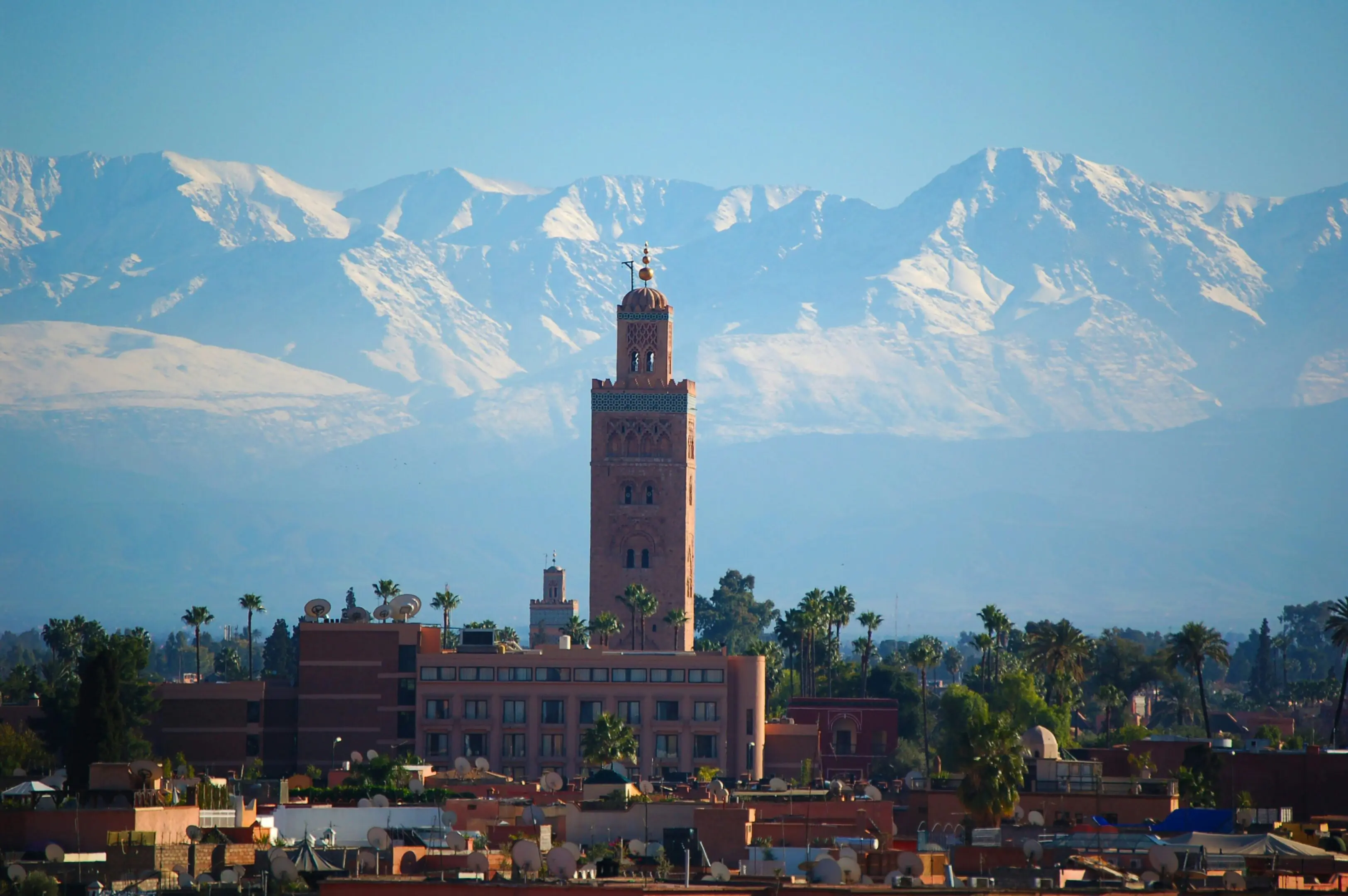
The imperial city of Marrakesh is a gateway to Morocco’s vibrant culture. Its famous Jemaa el-Fnaa square is alive with snake charmers, storytellers, musicians, and food stalls, creating an atmosphere of magic and excitement. Nearby, the towns of Essaouira and Agadir showcase Morocco’s coastal charm, offering fresh seafood, beaches, and artisan crafts.
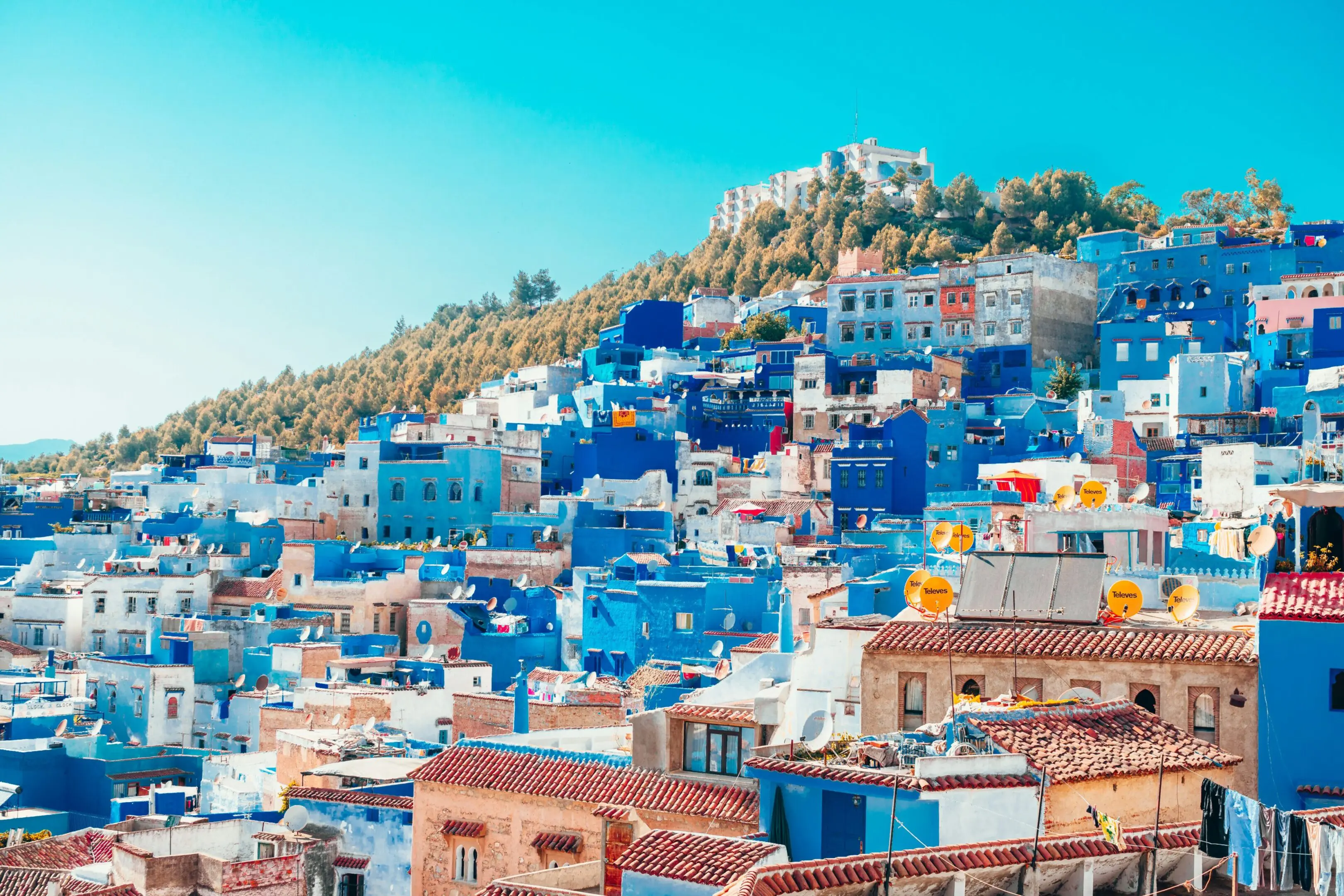
Inland, the historic city of Fes is a labyrinth of narrow streets, medieval architecture, and bustling souks. Travelers can witness traditional pottery, weaving, and leatherworking—arts passed down through generations. The blue-painted mountain town of Chefchaouen offers a serene escape amid stunning Rif Mountain landscapes.
Morocco is a country of remarkable diversity, where vibrant cities, sweeping deserts, rugged mountains, and coastal towns are matched by a rich tapestry of people, languages, and cultural traditions. With a population of over 37 million, Morocco’s strength lies not only in its stunning landscapes but also in the warmth, hospitality, and resilience of its people.
Tourism Highlights
- Historic Cities & Culture:
- Marrakech – Famous for Jemaa el-Fnaa square, souks, palaces, and gardens
- Fes – Known for the oldest medina in the world, leather tanneries, and artisan workshops
- Casablanca – Morocco’s largest city, home to the Hassan II Mosque and modern Moroccan culture
- Chefchaouen – The iconic “Blue City” in the Rif Mountains
- Natural Landscapes & Adventure:
- Atlas Mountains – Hiking, trekking, and Berber village experiences
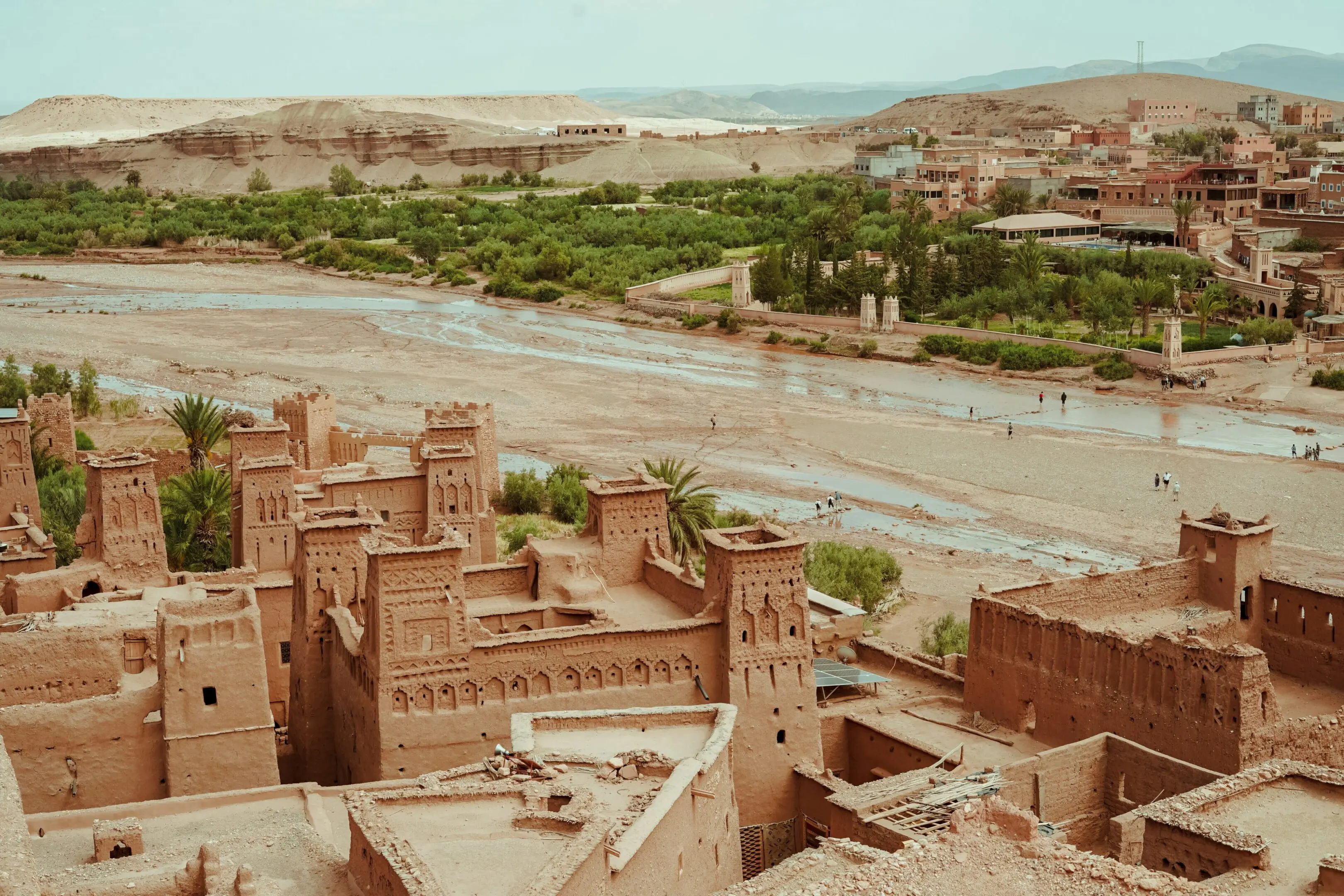
- Sahara Desert – Camel treks, desert camps, and sand dune excursions at Merzouga or Erg Chebbi
- Essaouira – Windsurfing, beaches, and charming medina
- Culture & People: Morocco is a mosaic of Arab, Berber, and French influences. The people are known for their warmth, hospitality, and rich traditions in crafts, music, and cuisine. Festivals, local markets, and culinary experiences immerse travelers in authentic Moroccan life.
Ethnic Groups and Tribes
Morocco’s population is made up primarily of Arabs and Berbers (Amazigh), with smaller groups including Haratin, Sahrawis, and Sub-Saharan African communities. Each group contributes to Morocco’s rich cultural mosaic:
- Berbers (Amazigh) – Indigenous to Morocco, Berbers live mostly in the Atlas Mountains, Rif Mountains, and desert oases. They have preserved their languages, traditional music, weaving, and crafts for centuries. The Amazigh are known for colorful clothing, intricate silver jewelry, and symbolic tattoos that mark social and family heritage.
- Arabs – Predominantly found in urban centers like Casablanca, Rabat, and Marrakesh, Arab communities bring centuries of Islamic traditions, poetry, architecture, and cuisine.
- Haratin and Sahrawis – Mainly in southern Morocco and desert regions, these groups maintain traditional nomadic lifestyles, including camel herding and oasis farming.
Languages and Communication
Morocco’s official languages are Arabic and Amazigh (Berber), while French serves as a major language of education, government, and commerce. Spanish is spoken in northern regions, and English is increasingly used in urban centers and tourism. Many Moroccans are multilingual, switching seamlessly between Arabic, Berber, French, and other languages, reflecting the country’s rich cultural history
Culture and Traditions
Moroccan culture is a vibrant mix of African, Arab, and Mediterranean influences. Music, dance, and storytelling are central to Moroccan life. The Berbers have a long tradition of folk songs and dances, including the Ahidous and Ahwash, while Arab communities celebrate religious festivals with music, poetry, and feasts.
Morocco is also famous for its artisan crafts. Markets, or souks, are filled with handwoven carpets, pottery, leather goods, metalwork, and jewelry. Many communities pass down traditional skills across generations, offering travelers an authentic glimpse into Moroccan heritage.
Cuisine is another cornerstone of Moroccan culture. Tagines, couscous, mint tea, and pastries like chebakia are staples of daily life, with regional variations reflecting the diverse communities across the country.
Lifestyle and Social Structure
Family and community are highly valued in Moroccan society. Extended families often live together or close by, and elders play a key role in guiding family and community decisions. Traditional customs coexist with modern lifestyles, especially in cities like Casablanca, Marrakesh, and Rabat.
Moroccans are known for their warm hospitality, generosity, and pride in cultural heritage. Visitors are often welcomed into homes, offered mint tea, and invited to experience local traditions and festivities.
Morocco Today
From the bustling streets of Marrakesh and Fes to the serene oases of the Sahara and the snow-capped peaks of the Atlas Mountains, Morocco’s people bring the country’s landscapes to life with their traditions, music, art, and daily interactions. Travelers leave with not only memories of stunning sights but also a deep appreciation for the richness, diversity, and heart of Morocco’s people.
Beyond the cities, Morocco’s natural beauty is breathtaking. The majestic Atlas Mountains provide trekking and skiing adventures, while the vast Sahara Desert offers camel treks and nights under a star-studded sky. Morocco’s combination of cultural heritage, natural beauty, and warm people makes it a destination unlike any other.
Best Time to Travel & What to See
Morocco’s climate varies between coastal regions, mountains, and desert, so the best time to visit depends on your preferred experiences:
1. Spring (March to May)
- Where to Go: Marrakech, Fes, Atlas Mountains, Sahara Desert
- What to See:
- Blooming flowers in gardens and valleys (e.g., Ourika Valley)
- Pleasant temperatures for city tours and hiking in Atlas Mountains
- Sahara Desert excursions with comfortable daytime heat
- Best For: Cultural tours, trekking, desert adventures
2. Summer (June to August)
- Where to Go: Coastal cities like Casablanca, Essaouira, Rabat
- What to See:
- Relaxing on beaches and enjoying Atlantic coastal towns
- Atlas Mountains offer cooler temperatures for trekking
- Desert regions can be extremely hot during the day, so early morning/late evening excursions are recommended
- Best For: Coastal escapes, mountain trekking, and luxury desert stays with air-conditioned lodges
3. Autumn (September to November)
- Where to Go: Marrakech, Fes, Sahara Desert, Atlas Mountains
- What to See:
- Harvest season in mountain valleys, ideal for cultural tours
- Comfortable temperatures for exploring medinas and deserts
- Festivals such as the Gnaoua Music Festival in Essaouira
- Best For: Cultural exploration, desert safaris, mountain hiking
4. Winter (December to February)
- Where to Go: Marrakech, Sahara Desert, Atlas Mountains
- What to See:
- Snow in the Atlas Mountains, enabling skiing and mountain treks
- Mild coastal weather for sightseeing in cities like Casablanca and Rabat
- Sahara Desert is cooler, making camel treks and overnight desert camps very comfortable
- Best For: Desert tours, mountain adventures, city sightseeing
Language
- Official Languages: Arabic and Berber (Amazigh)
- Widely Spoken: French and English in tourist areas, hotels, and urban centers
- Moroccan Arabic and Berber dialects vary by region, giving travelers a rich linguistic and cultural experience
Currency
- Moroccan Dirham (MAD)
- Credit cards are widely accepted in hotels, restaurants, and urban areas
- Cash is recommended for markets, small towns, and desert excursions
- U.S. dollars and Euros can often be exchanged in banks and tourist centers