Zambia
The Real Africa
Zambia is one of Africa’s most authentic destinations, offering pristine wilderness, spectacular wildlife, and a warm, hospitable people. Known for its walking safaris and untouched landscapes, Zambia provides an immersive and intimate African experience.
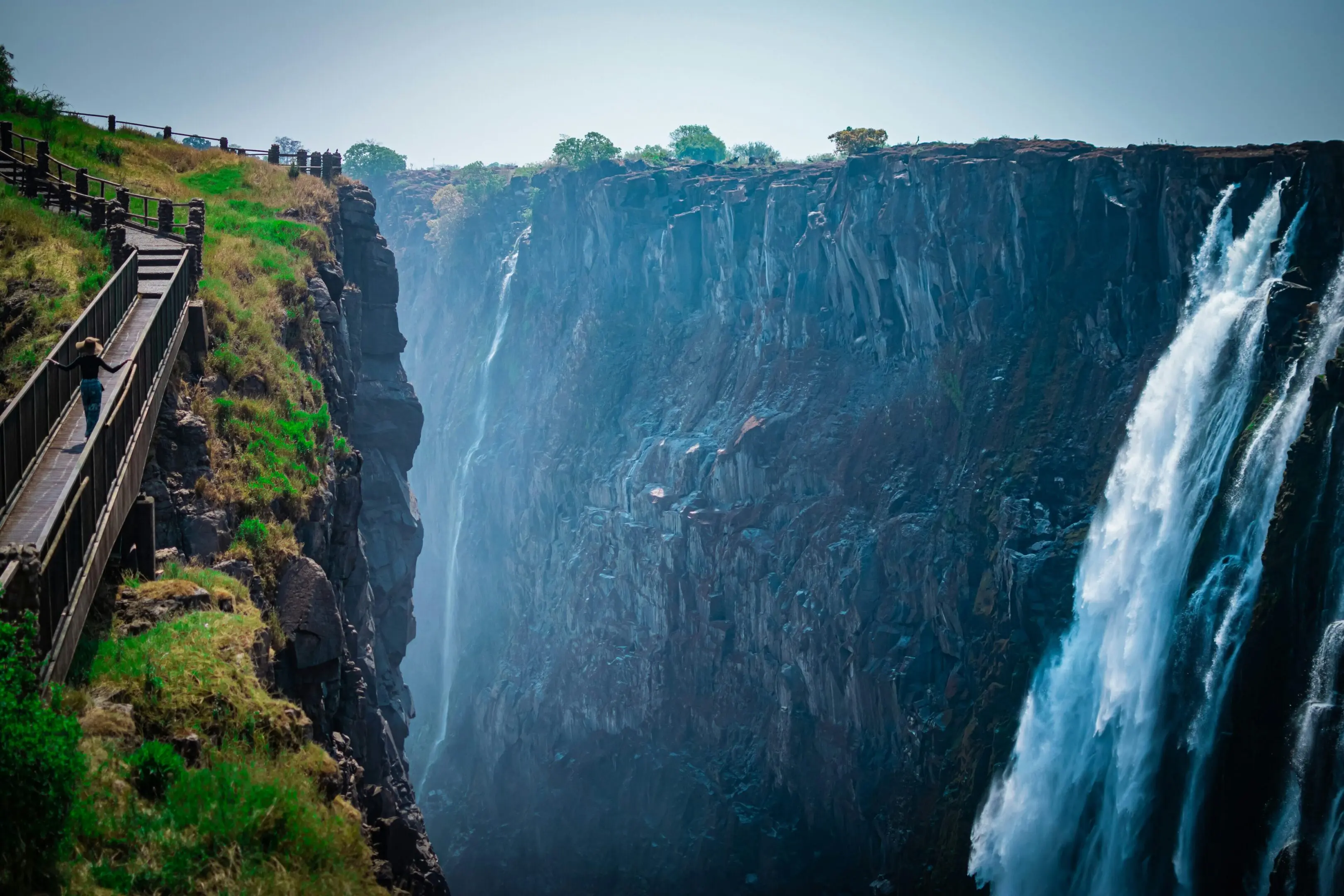
The town of Livingstone is the gateway to the world-famous Victoria Falls, a UNESCO World Heritage Site and one of the largest waterfalls on Earth. Visitors can marvel at the sheer power of the falls from scenic viewpoints, enjoy river cruises along the Zambezi, or take part in thrilling adventures such as bungee jumping and helicopter flights.
Zambia is home to exceptional wildlife areas. South Luangwa National Park near Mfuwe is famous for pioneering the walking safari, allowing travelers to experience lions, elephants, leopards, and hippos on foot. Other notable parks, including Lower Zambezi National Park and Kafue National Park, offer remote wilderness experiences where few tourists venture.
Zambia is home to over 70 ethnic groups, including the Bemba, Tonga, Lozi, Chewa, and Luvale. Each group maintains unique languages, music, dances, and ceremonies. Traditional festivals, crafts, and village experiences allow travelers to engage deeply with Zambia’s diverse communities. Whether it’s listening to drum performances or observing traditional weaving, Zambia’s culture adds a profound richness to the country’s natural beauty.
Zambia is one of Africa’s most culturally rich countries, where a deep connection to the land and centuries-old traditions shape everyday life. With a population of around 20 million, Zambia is known not only for its spectacular wildlife and natural wonders like Victoria Falls, but also for the warmth, resilience, and hospitality of its people.
Tourism Highlights
- Wildlife & Safari Experiences:
- South Luangwa National Park – Renowned for walking safaris, large herds of elephants, lions, and leopard spotting.
- Lower Zambezi National Park – Offers canoe safaris along the Zambezi River, hippos, crocodiles, and abundant birdlife.
- Kafue National Park – One of Africa’s largest national parks, ideal for off-the-beaten-path safaris.
- Victoria Falls & Adventure:
- Victoria Falls – Known locally as “Mosi-oa-Tunya” (The Smoke That Thunders), it is a must-see natural wonder with spectacular viewing, helicopter flights, and river cruises.
- Cultural Experiences:
- Engage with local communities in Lusaka and rural villages to learn traditional crafts, music, dance, and customs.
Ethnic Groups and Tribes
Zambia is home to over 70 ethnic groups, each with its own language, customs, and social traditions. The largest groups include:
- Bemba – Predominantly in the Northern and Luapula provinces, they are known for their rich oral history, traditional ceremonies, and agricultural lifestyle.
- Tonga – Mainly in the Southern Province, the Tonga are famous for cattle herding, fishing, and distinctive dances performed during community celebrations.
- Lozi – Found in Western Province, they are renowned for the Kuomboka festival, which marks the seasonal movement of their king along the Zambezi River in a grand ceremonial barge.
- Chewa, Lunda, Luvale, Kaonde, and Nsenga – Other groups spread across Zambia’s provinces, each preserving unique music, crafts, initiation rituals, and storytelling traditions.
Languages and Communication
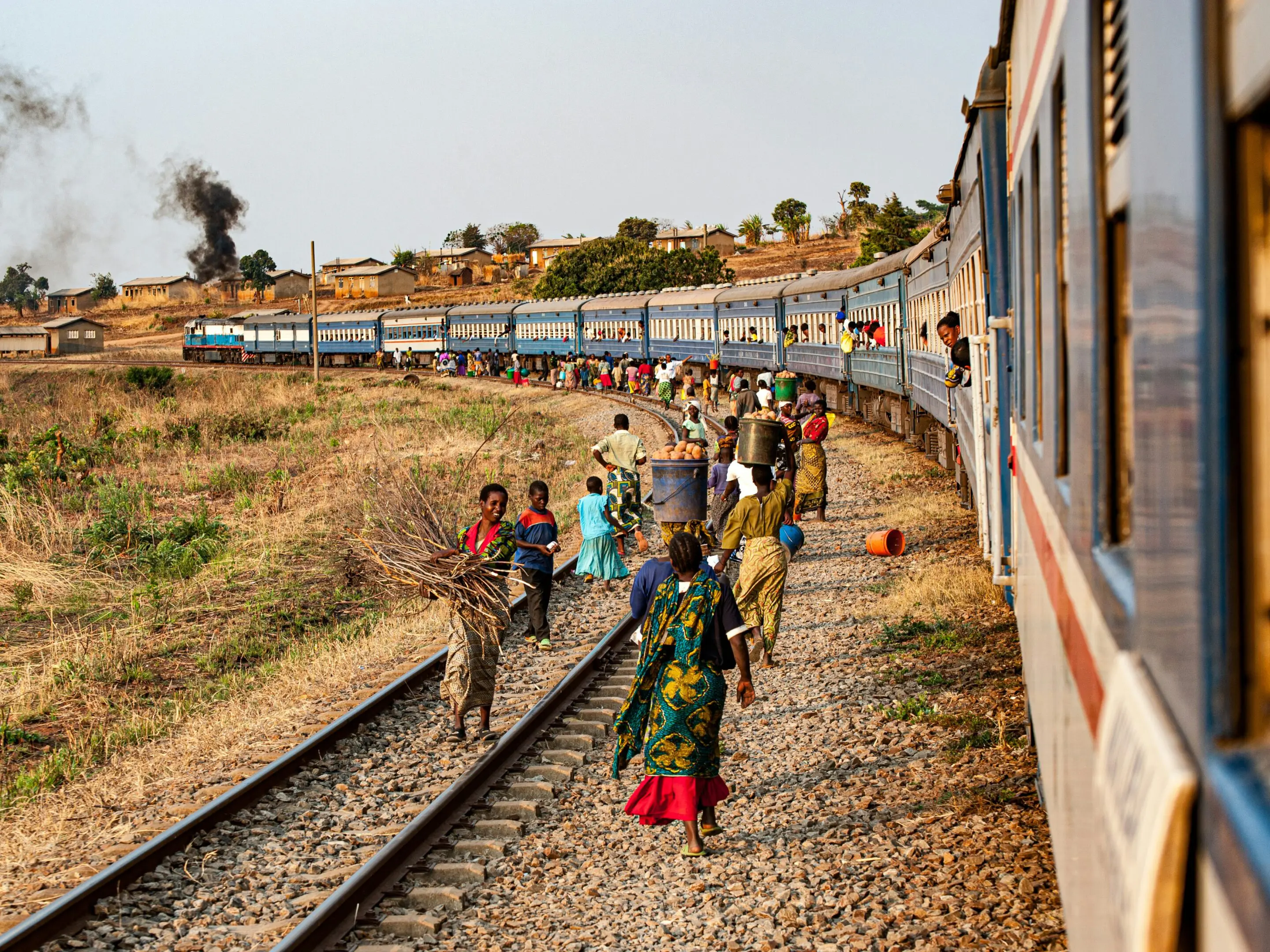
Zambia’s official language is English, used in government, schools, and business. However, indigenous languages dominate daily life, with Bemba, Nyanja, Tonga, Lozi, and Kaonde being widely spoken. Most Zambians are multilingual, often switching between their local language and English depending on context, reflecting the country’s cultural richness and adaptability.
Culture and Traditions
Music, dance, and oral storytelling are central to Zambian culture. Each ethnic group has its own songs, rhythms, and ceremonial dances, performed during weddings, harvest festivals, and rites of passage. Traditional instruments, such as drums, xylophones, and thumb pianos, bring the music to life.
Zambians are also known for their artisanal crafts, including basket weaving, pottery, carving, and beadwork, often passed down through generations. Cultural festivals, such as the Nc’wala of the Ngoni or the Kuomboka of the Lozi, celebrate Zambia’s heritage and attract both local and international visitors.
Lifestyle and Social Structure
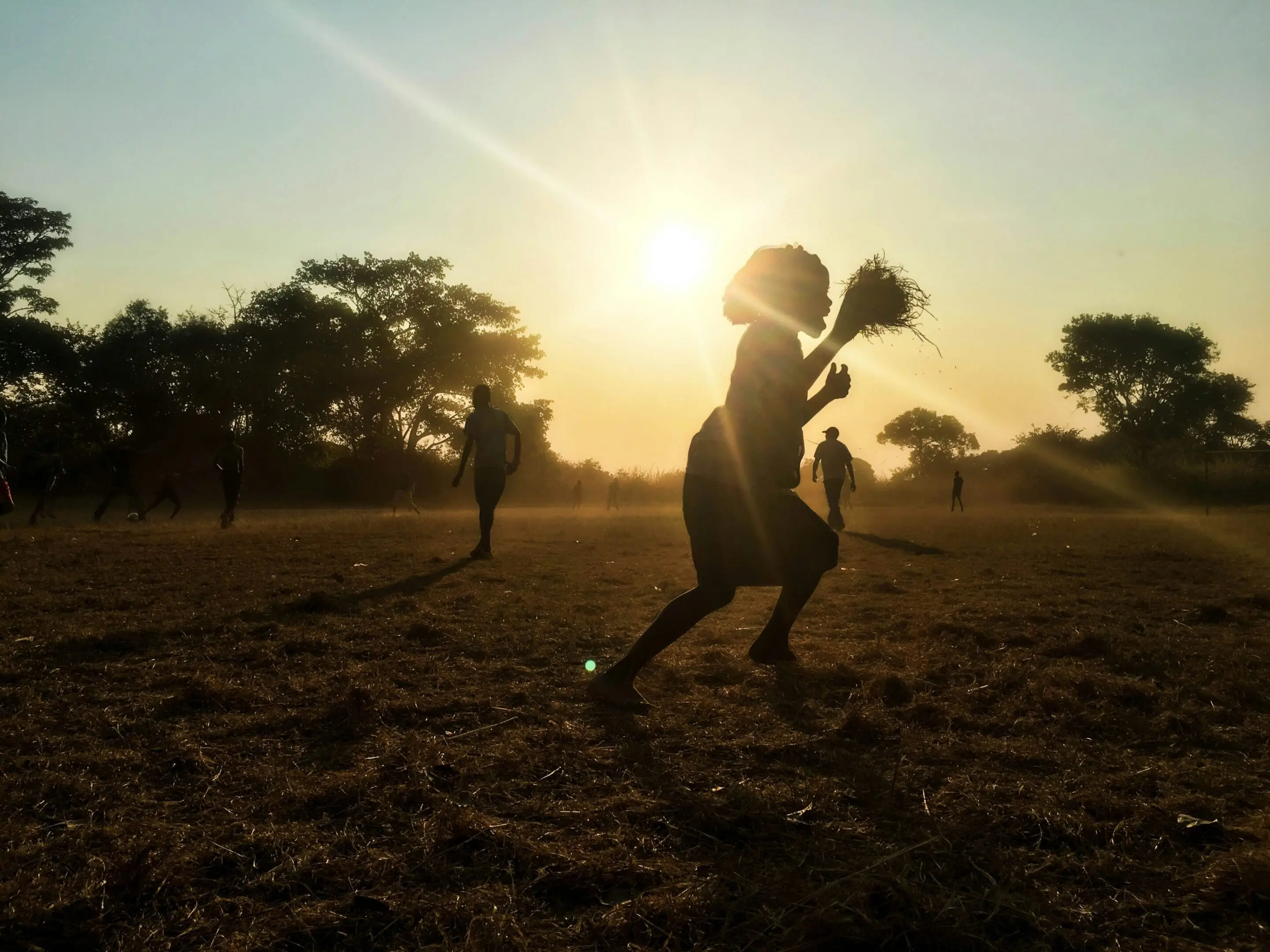
Community and family are the backbone of Zambian society. Extended families often live in close-knit villages, where elders play a key role in guiding decisions, resolving disputes, and preserving traditions. Subsistence farming and fishing remain common in rural areas, while urban centers like Lusaka, Ndola, and Livingstone offer education, trade, and modern employment opportunities.
Zambians are renowned for their friendliness, generosity, and hospitality, often welcoming visitors into their homes, sharing meals, and offering insight into local customs. This openness allows travelers to experience Zambia not just as a destination, but as a living, breathing culture.
Zimbabwe Today
From the vibrant festivals and communal celebrations to quiet rural villages and bustling cities, Zambia’s people represent a harmonious blend of tradition and modernity. Their warmth, resilience, and pride in cultural heritage make every visit an opportunity for deep human connection, complementing the country’s natural beauty and adventure experiences.
With its combination of dramatic waterfalls, abundant wildlife, and vibrant cultures, Zambia offers an unforgettable journey into Africa’s heart.
Best Time to Travel & What to See
Zambia’s climate is largely tropical, with distinct wet and dry seasons that affect safari and adventure experiences:
1. Dry Season (May to October – Cool / Peak Safari Season)
- Where to Go: South Luangwa, Lower Zambezi, Kafue, Victoria Falls
- What to See:
- Animals gather around rivers and waterholes for easy Big Five sightings
- Clear skies and mild temperatures ideal for walking safaris and photography
- Victoria Falls at slightly lower flow levels—better visibility and access to viewing points
- Excellent birdwatching for resident species
- Best For: Wildlife safaris, photographic adventures, walking safaris
2. Wet Season (November to April – Green Season / Rainy Season)
- Where to Go: South Luangwa, Lower Zambezi, Kafue, Victoria Falls
- What to See:
- Lush, vibrant landscapes with abundant water and flowering vegetation
- Breeding season for many animals; calves, cubs, and young wildlife are abundant
- Birdwatching at its peak with migratory and endemic species
- Victoria Falls is at its fullest and most powerful flow, creating spectacular mist and rainbows
- Best For: Birdwatching, photography of green landscapes, and viewing Victoria Falls at full force
- Note: Some remote roads can be muddy; 4x4 vehicles or light aircraft transfers may be required
Language
- Official Language: English
- Local Languages: Bemba, Nyanja, Tonga, Lozi, Chewa, and several others
- English is widely used in tourism, business, and government, making travel easy for international visitors. Local languages provide rich cultural experiences when interacting with communities.
Currency
- Zambian Kwacha (ZMW)
- Credit and debit cards are accepted in major lodges, hotels, and cities
- Cash is recommended for rural areas, safari camps, and local markets
- U.S. dollars are widely accepted in tourism areas, especially for permits and luxury lodges