Namibia
Land of Endless Horizons
Namibia is a country of vast open spaces, dramatic desert landscapes, and extraordinary natural beauty. With its stark scenery and sense of solitude, Namibia offers travelers a truly unique African adventure.
The capital city of Windhoek provides a welcoming introduction to the country with its relaxed atmosphere, colonial architecture, and vibrant cultural life.
One of Namibia’s most iconic destinations is Sossusvlei, located within the ancient Namib Desert. Here, towering red dunes rise dramatically above white clay pans, creating one of the most photographed landscapes in Africa. Sunrise and sunset paint the dunes in extraordinary shades of red and gold.
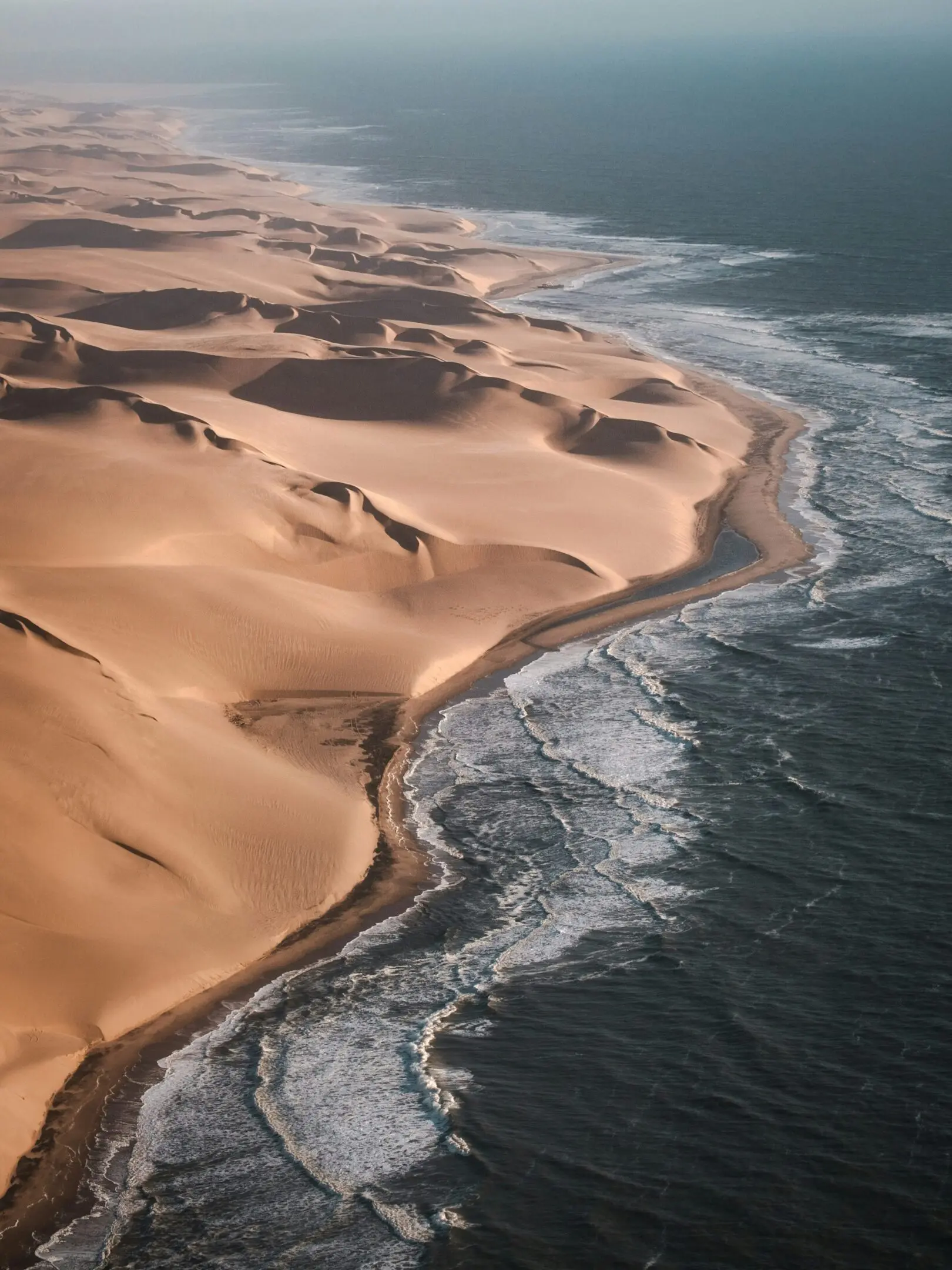
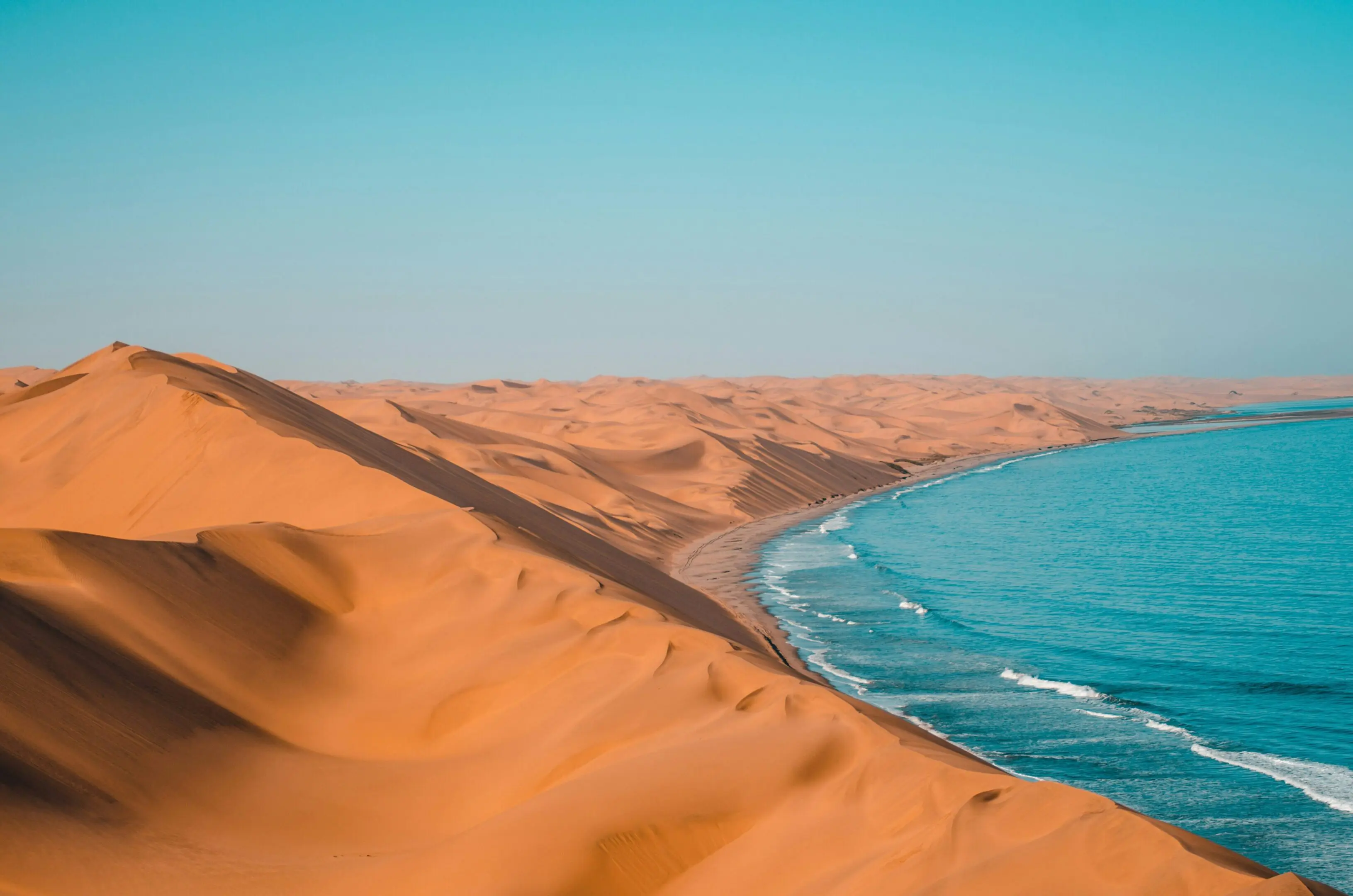
Along the Atlantic coast, the charming town of Swakopmund blends German colonial heritage with adventure tourism. Visitors enjoy activities such as sandboarding, desert tours, dolphin cruises, and scenic flights along the rugged Skeleton Coast.
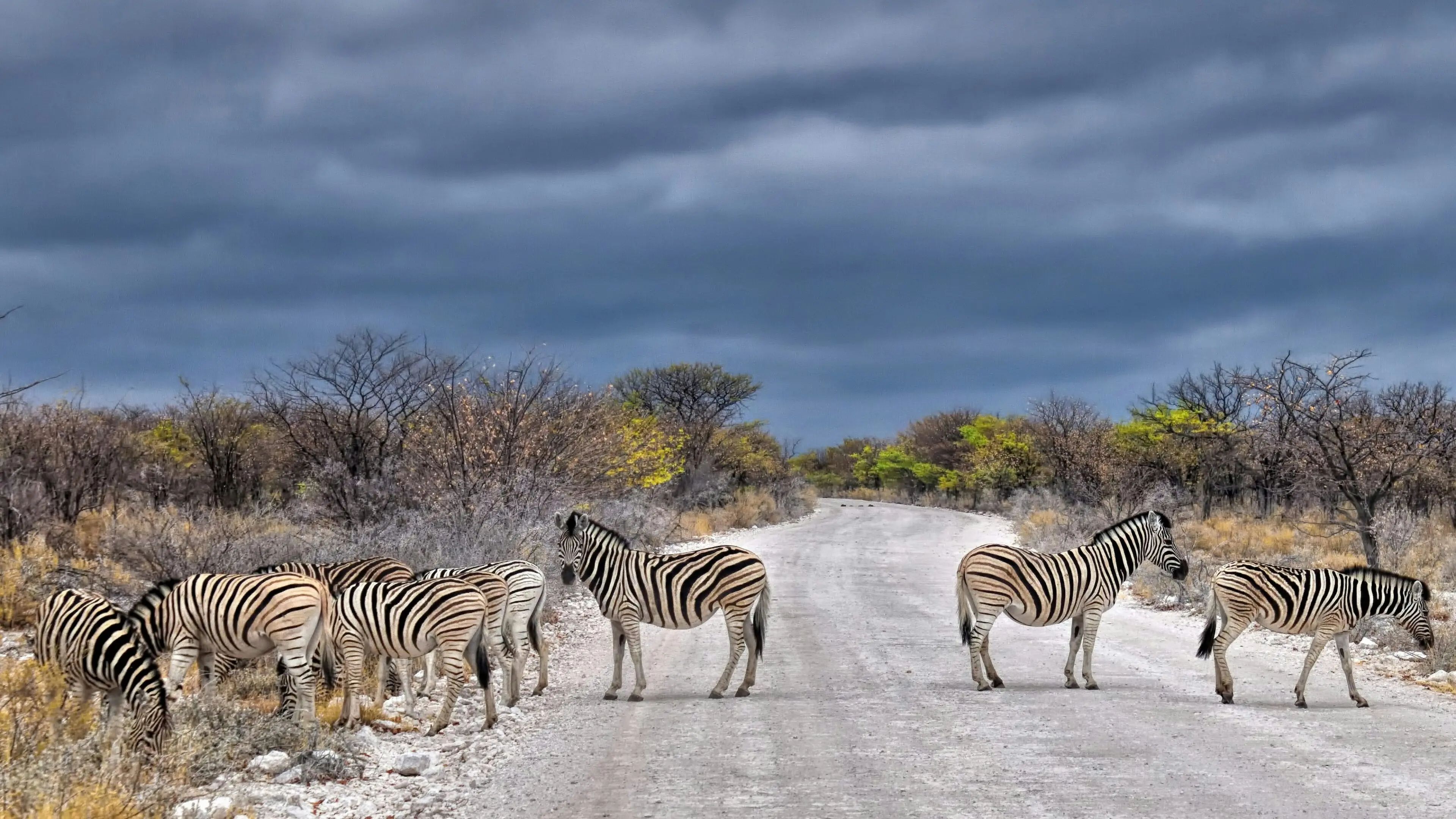
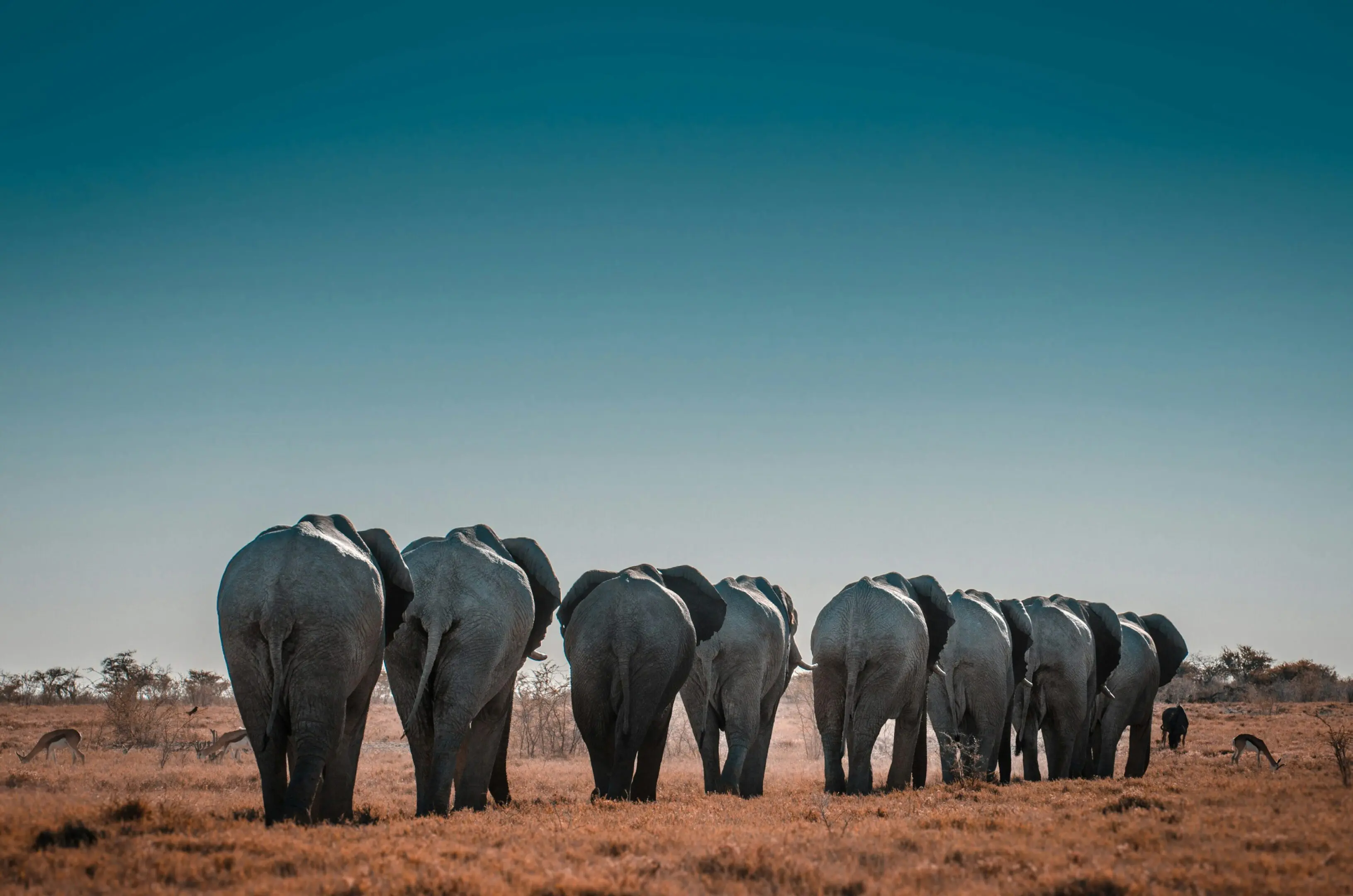
For wildlife enthusiasts, Etosha National Park is one of Africa’s premier safari destinations. The park’s vast salt pan and surrounding waterholes attract elephants, lions, giraffes, rhinos, and numerous antelope species, offering remarkable wildlife viewing.
Namibia is not only famous for its vast deserts, striking landscapes, and extraordinary wildlife—it is also a country of rich cultural diversity, shaped by its many ethnic groups and centuries of tradition. With a population of just over 2.5 million, Namibia’s people are spread across wide open spaces, creating a lifestyle deeply connected to nature and community.
Wildlife & Safari Experiences
- Etosha National Park – One of Africa’s premier safari destinations, offering Big Five sightings, abundant plains game, and incredible waterhole photography.
- Damaraland – Home to desert-adapted elephants, black rhinos, and dramatic sandstone landscapes.
- Skeleton Coast – Remote beaches, shipwrecks, and seal colonies create a surreal wilderness experience.
Scenic Landscapes & Adventure
- Sossusvlei – Iconic red sand dunes ideal for sunrise photography and dune climbing.
- Fish River Canyon – The second-largest canyon in the world, perfect for hiking and scenic viewpoints.
Cultural Experiences
- Engage with Himba and San (Bushmen) communities to learn traditional crafts, storytelling, and survival skills in the desert.
Ethnic Groups and Tribes
Namibia is home to more than 10 major ethnic groups, each with distinct languages, traditions, and ways of life. Some of the key groups include:
- Ovambo – The largest ethnic group, concentrated in northern Namibia, known for farming, cattle herding, and vibrant music and dance traditions.
- Herero – Famous for their distinctive Victorian-inspired dress and elaborate headdresses, as well as cattle farming and pastoral lifestyles.
- Himba – Nomadic pastoralists living in the Kunene region, known worldwide for their unique red ochre body paint, braided hairstyles, and semi-nomadic lifestyle.
- Damara and Nama – Known for their rich folklore, storytelling, and ancient click languages, as well as their traditional crafts and jewelry.
- San (Bushmen) – Among the oldest peoples of southern Africa, the San are renowned for their profound knowledge of the land, tracking and hunting skills, and ancient rock art that tells stories of human history stretching back thousands of years.
Languages and Communication
Namibia’s official language is English, which is used in government, education, and business. However, the country is linguistically diverse, with indigenous languages such as Oshiwambo, Nama/Damara, Herero, Rukwangali, and Khoekhoe widely spoken. Multilingualism is common, reflecting the country’s cultural complexity and the blending of indigenous and colonial influences.
Culture and Traditions
Namibian culture is deeply tied to family, community, and the natural environment. Music, dance, and storytelling are central to cultural expression. Traditional dances, often accompanied by drums, rattles, or song, are performed at celebrations, rites of passage, and festivals.
Artisan crafts are an important cultural marker, including handcrafted jewelry, textiles, pottery, and wood carvings. Many communities preserve skills passed down for generations, which are often shared with visitors in cultural villages or local markets.
Lifestyle and Social Structure
Namibia’s people maintain strong ties to family and community. In rural areas, life revolves around subsistence farming, cattle herding, and communal living, while urban centers like Windhoek, Swakopmund, and Walvis Bay offer modern amenities, education, and business opportunities. Traditional councils and village elders continue to play important roles in decision-making, blending local customs with national governance.
Namibians are known for their warm hospitality, resilience, and pride in heritage. Visitors often experience the generosity of local communities through cultural tours, home-stays, and interactive experiences that provide insight into daily life, traditions, and survival skills in the arid landscapes of the Namib and Kalahari deserts.
Namibia Today
The people of Namibia represent a harmonious blend of ancient traditions and modern lifestyles. From the Himba’s remote desert communities to the Ovambo’s agricultural hubs and the cosmopolitan streets of Windhoek, Namibia’s cultural richness offers travelers a profound understanding of the country’s history, resilience, and human spirit.
Namibia’s remote beauty, dramatic landscapes, and unique desert wildlife create an unforgettable destination for travelers seeking adventure and tranquility.
Best Time to Travel & What to See
Namibia’s climate is predominantly arid to semi-arid, with seasons affecting wildlife, landscapes, and travel experiences:
1. Dry Season (May to October – Winter / Cool Season)
- Where to Go: Etosha, Damaraland, Sossusvlei, Skeleton Coast
- What to See:
- Animals gather at waterholes, making wildlife viewing easier and more predictable
- Clear skies and crisp air ideal for photography, especially at sunrise and sunset
- Desert landscapes appear more dramatic under golden light
- Birdwatching for resident species; migratory birds may be fewer
- Best For: Classic safari experiences, photography, and desert exploration
2. Wet Season (November to April – Summer / Green Season)
- Where to Go: Etosha, Caprivi Strip, Waterberg, Coastal areas
- What to See:
- Lush, green landscapes and flowering plants create dramatic scenery
- Birth season for wildlife; newborns in savannahs and plains
- Migratory birds arrive, making it a birdwatcher’s paradise
- Short, afternoon rains refresh the desert and soften temperatures
- Best For: Birdwatching, photography of dramatic green landscapes, fewer tourists
3. Peak Summer (December to February)
- Where to Go: Coastal regions and Caprivi Strip
- What to See:
- Warm coastal weather for swimming, kayaking, and scenic drives
- Abundant birdlife along rivers and wetlands
- Desert landscapes remain stunning post-rain with vivid colors
- Best For: Birding, water-based activities, and quieter safari areas
Language
Namibia has English as its official language, widely used in business, government, and tourism. Other commonly spoken languages include Afrikaans, German, Oshiwambo, Herero, Nama, and various indigenous languages, providing rich cultural diversity for visitors.
Currency
- Namibian Dollar (NAD), pegged 1:1 with the South African Rand (ZAR)
- South African Rand is also widely accepted throughout the country
- Credit cards are accepted in hotels, lodges, and larger towns, but cash is useful in remote areas